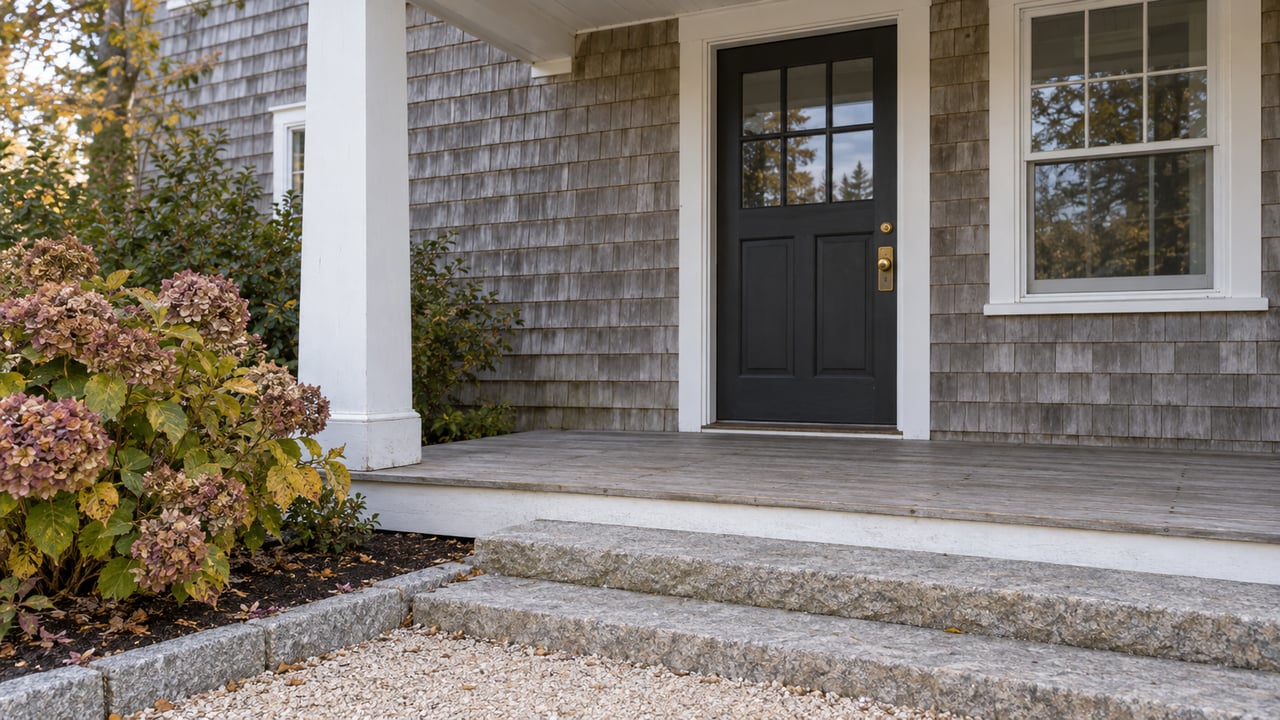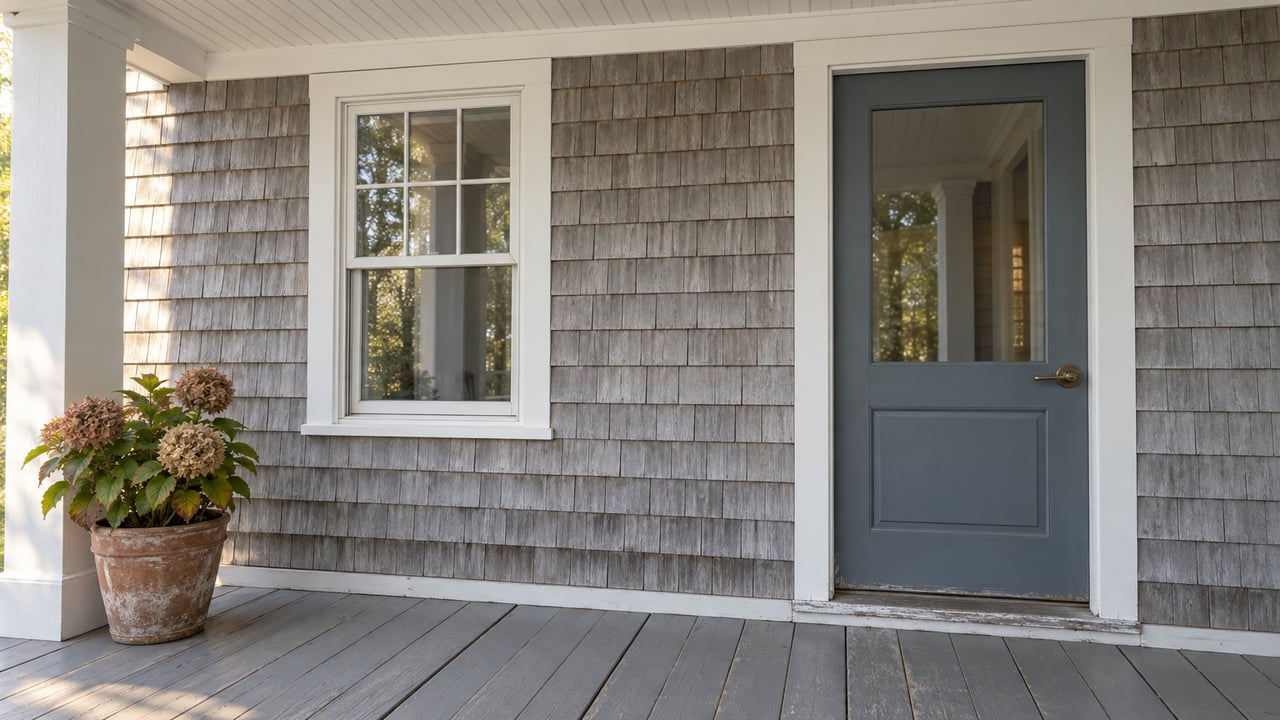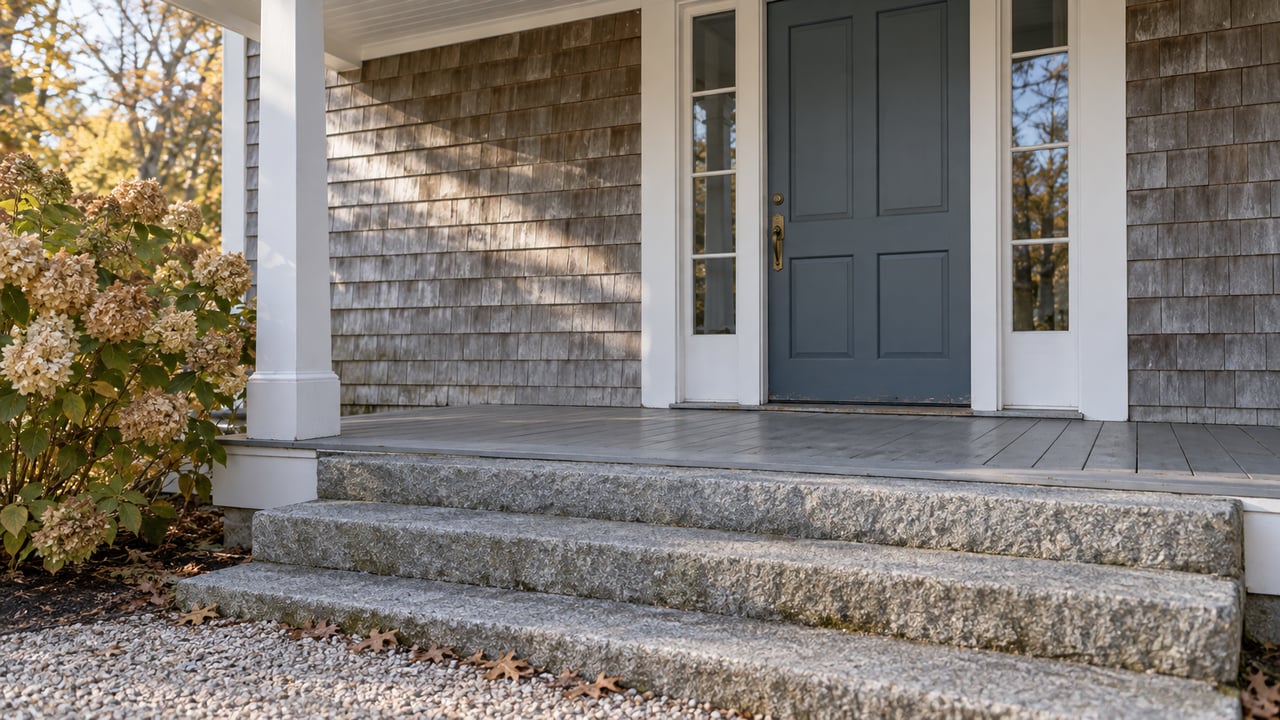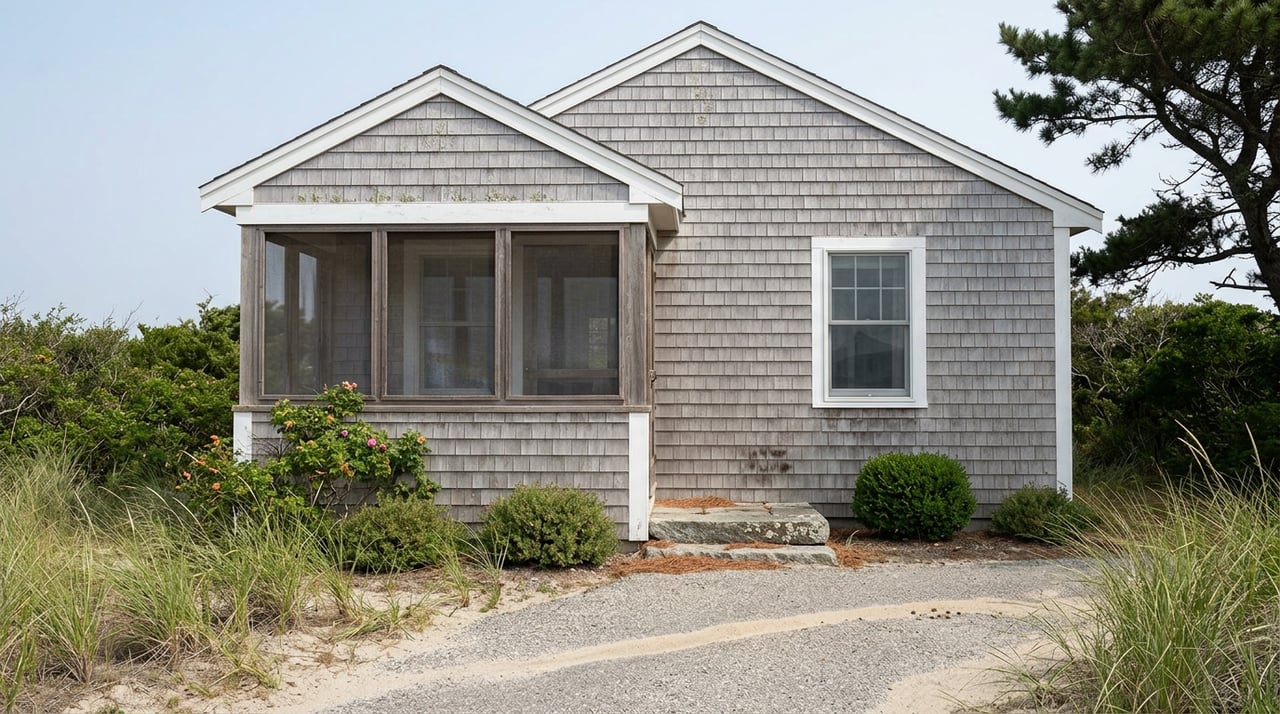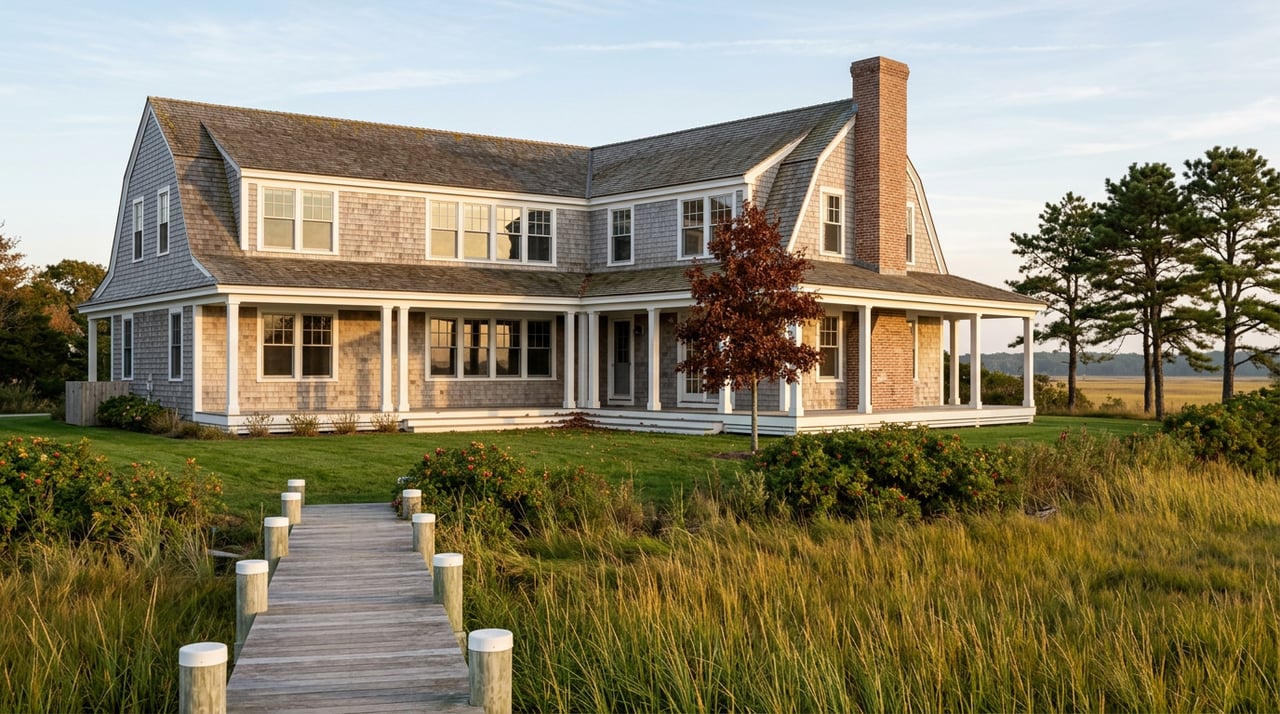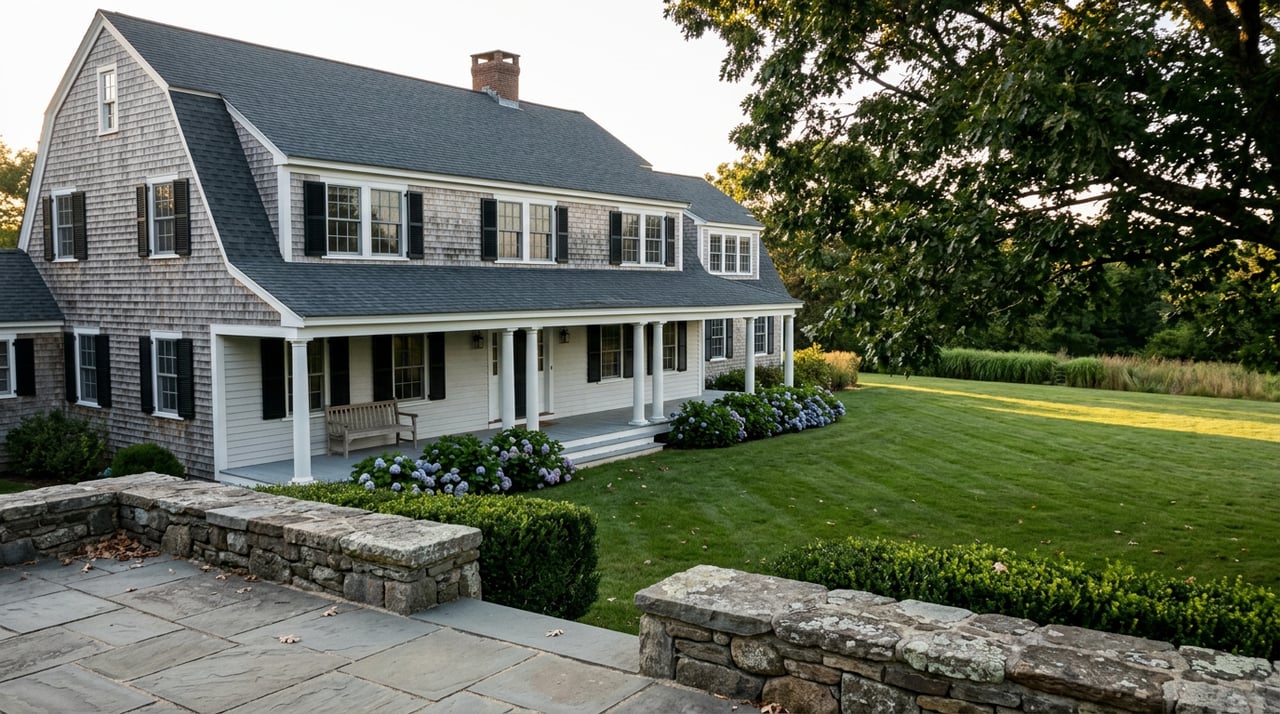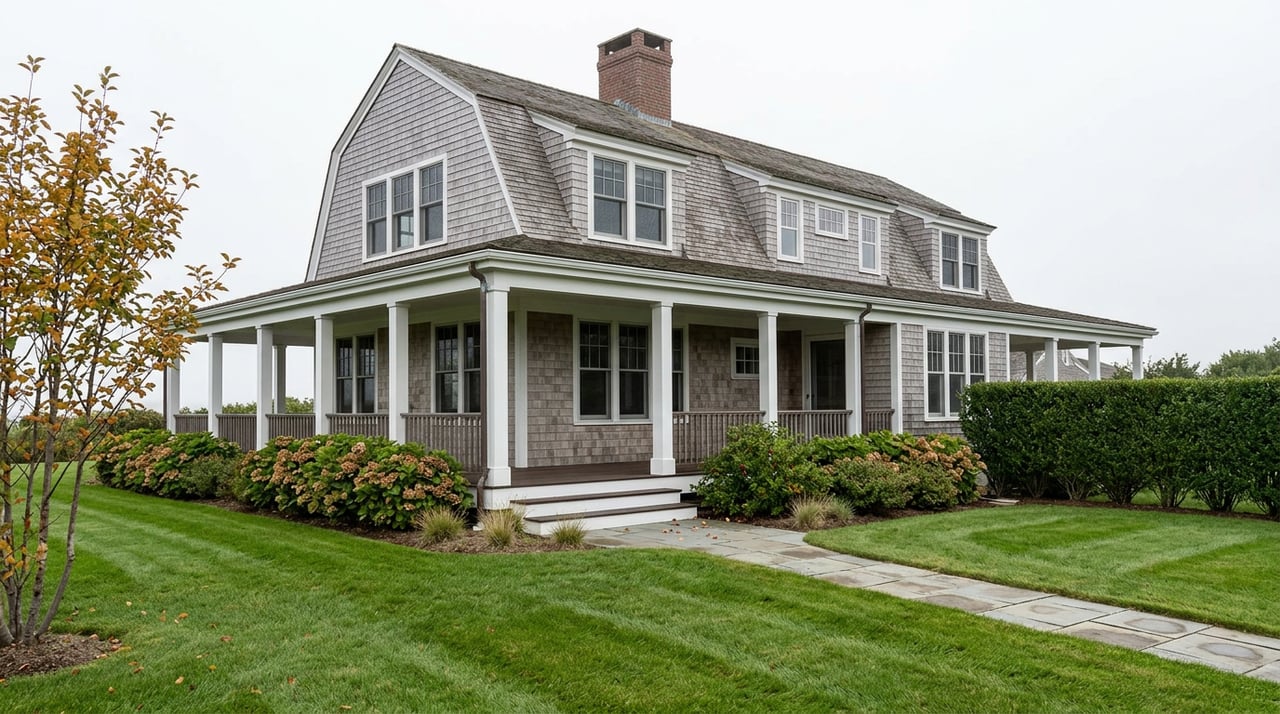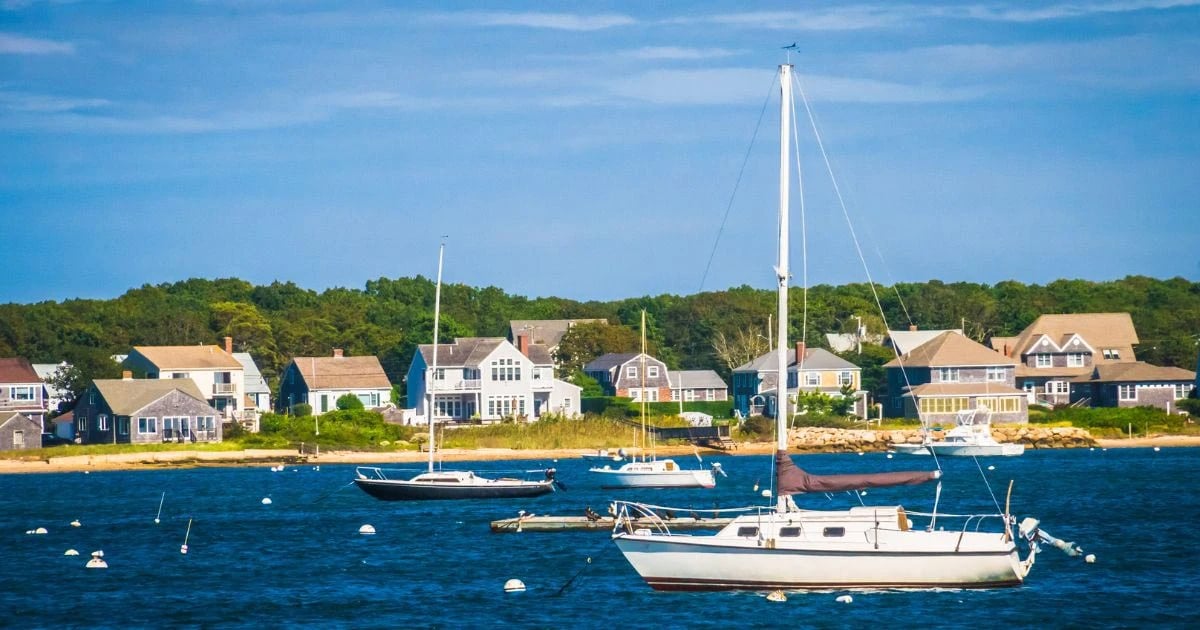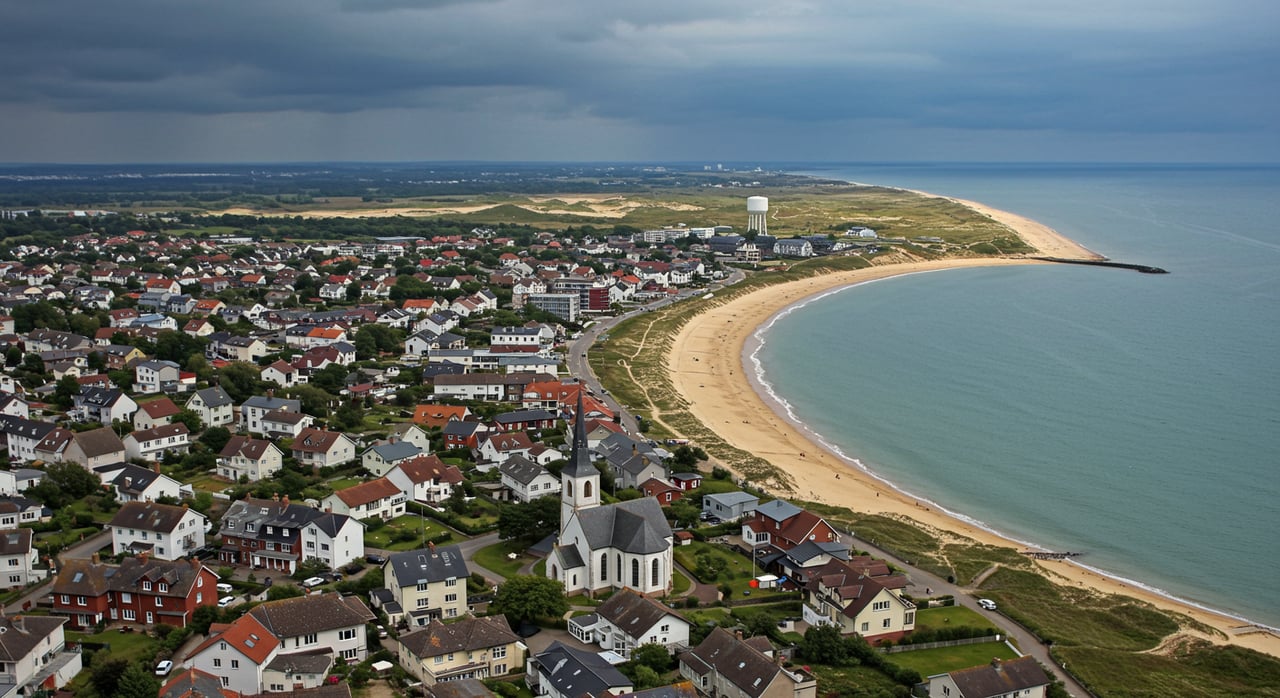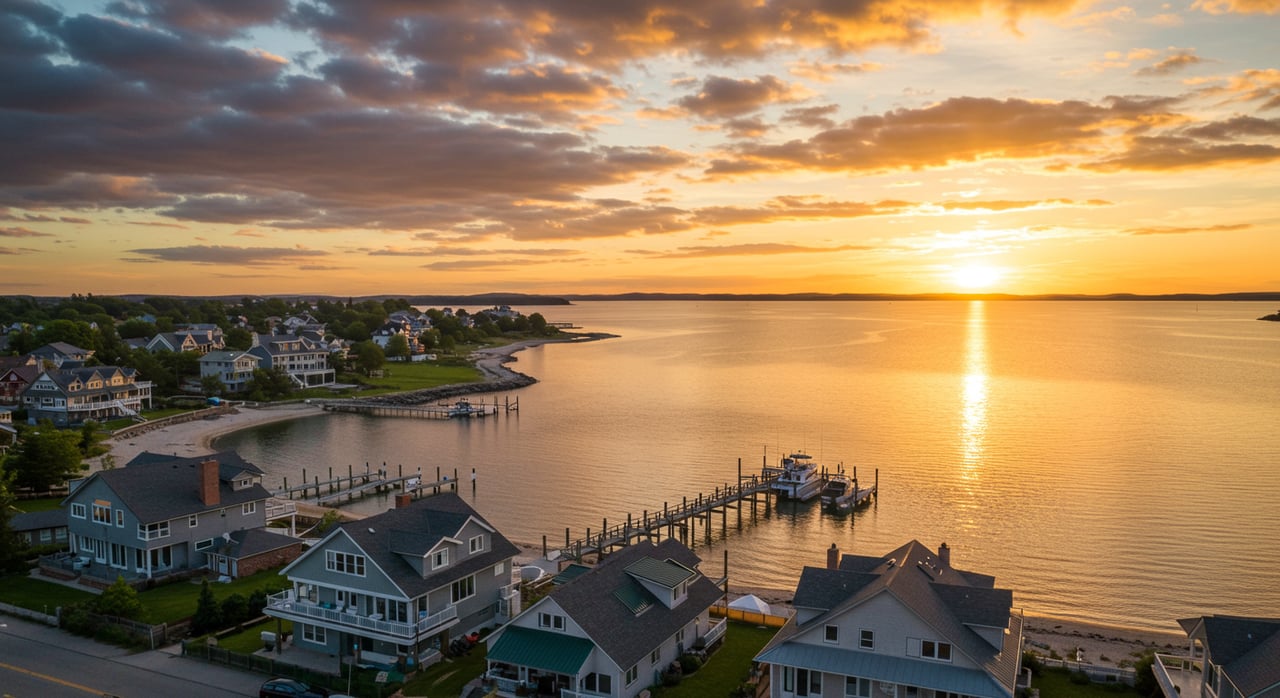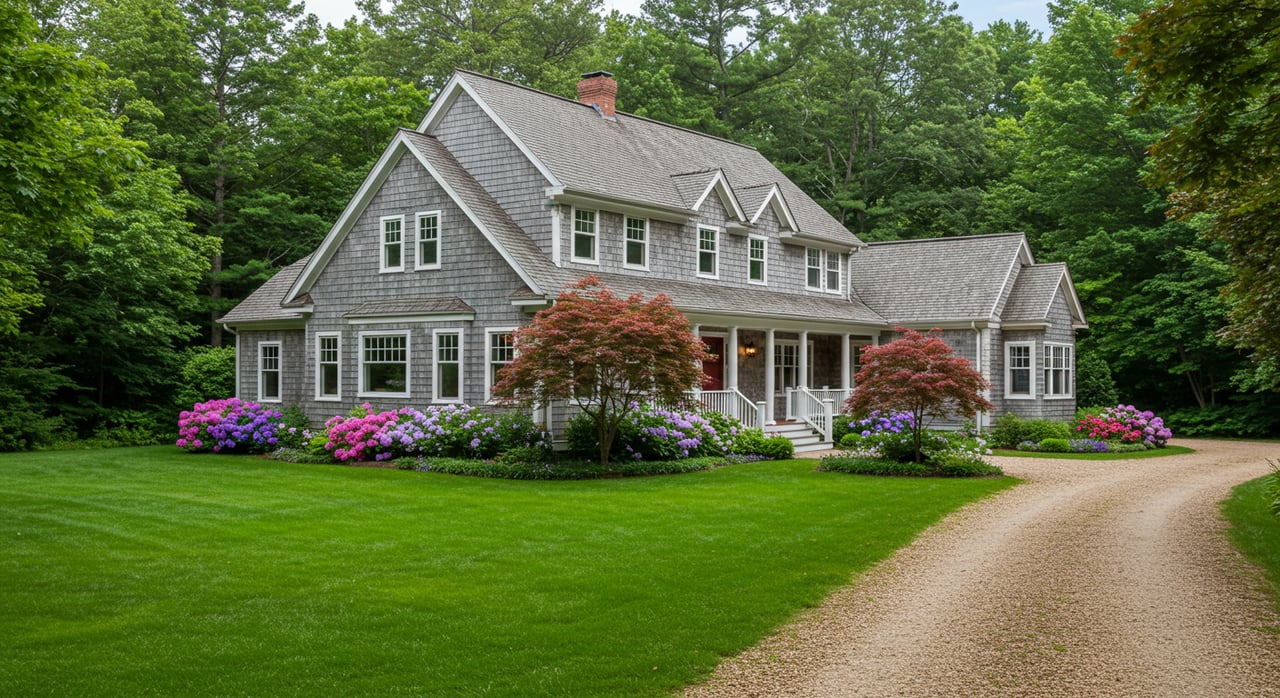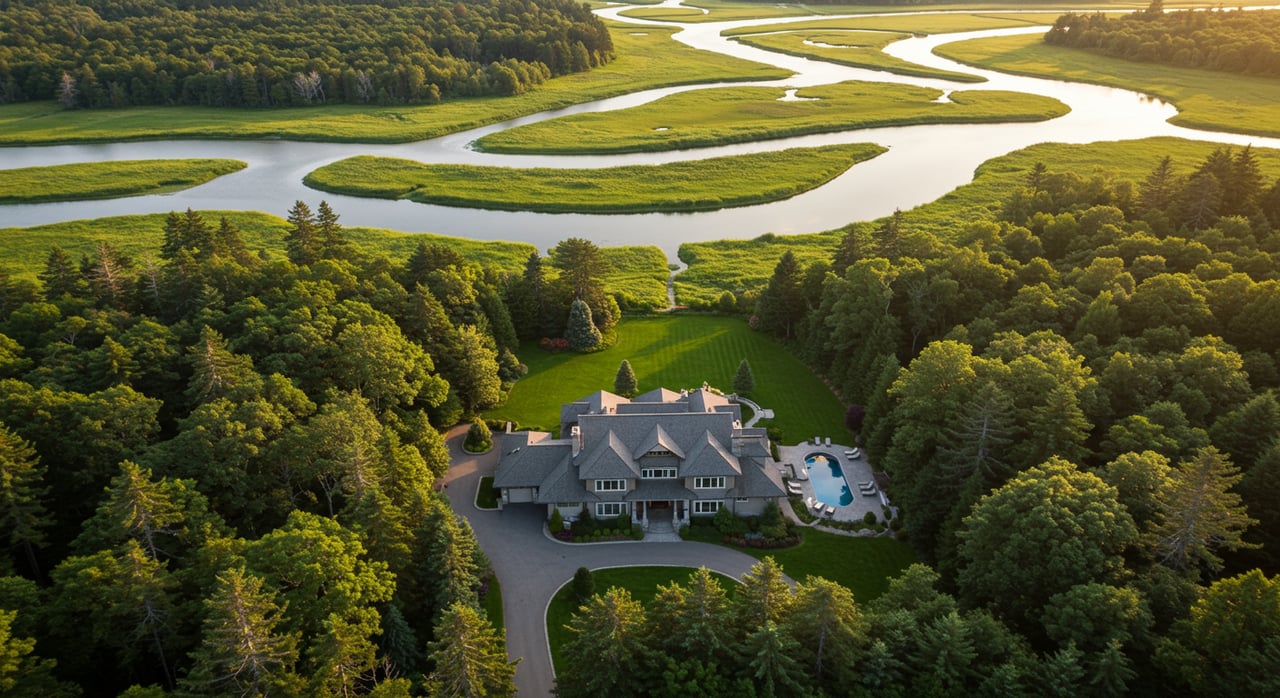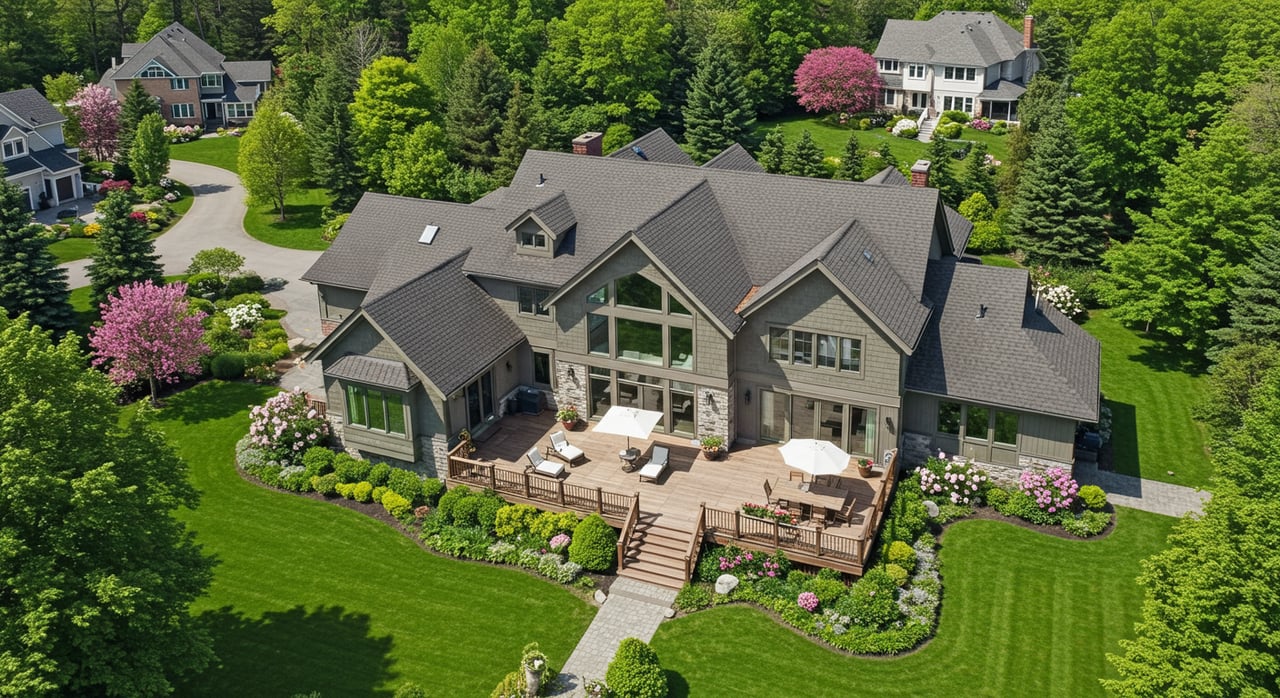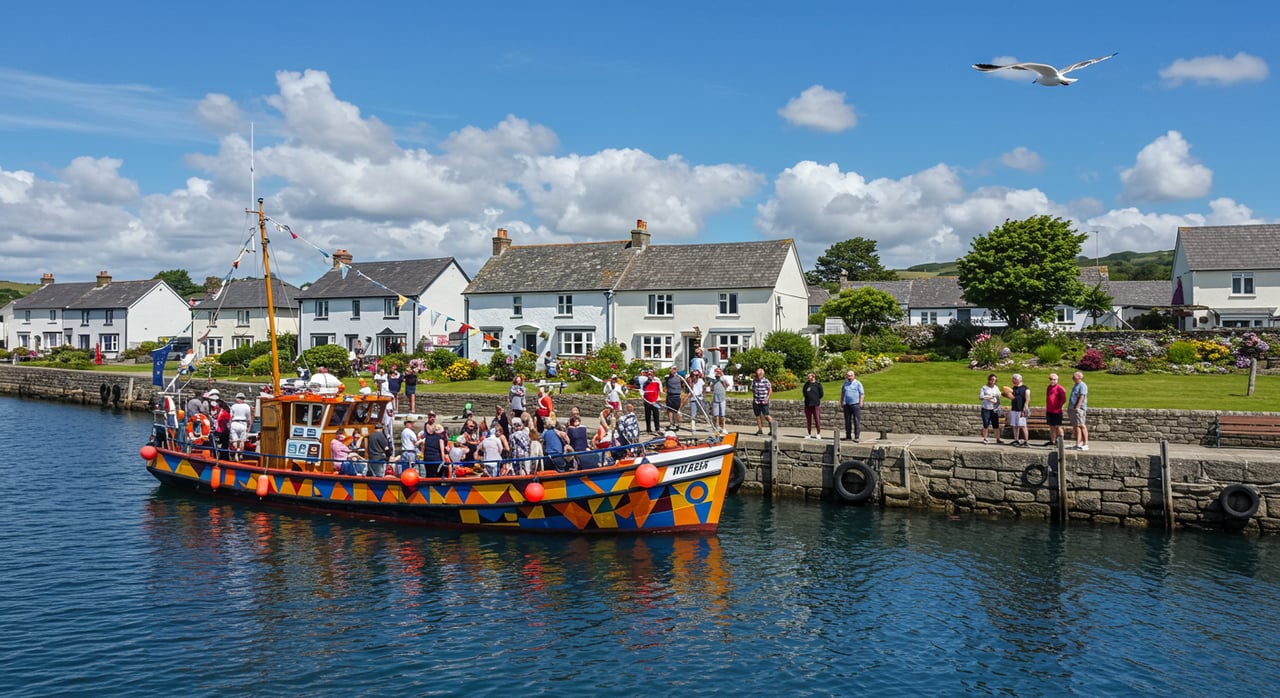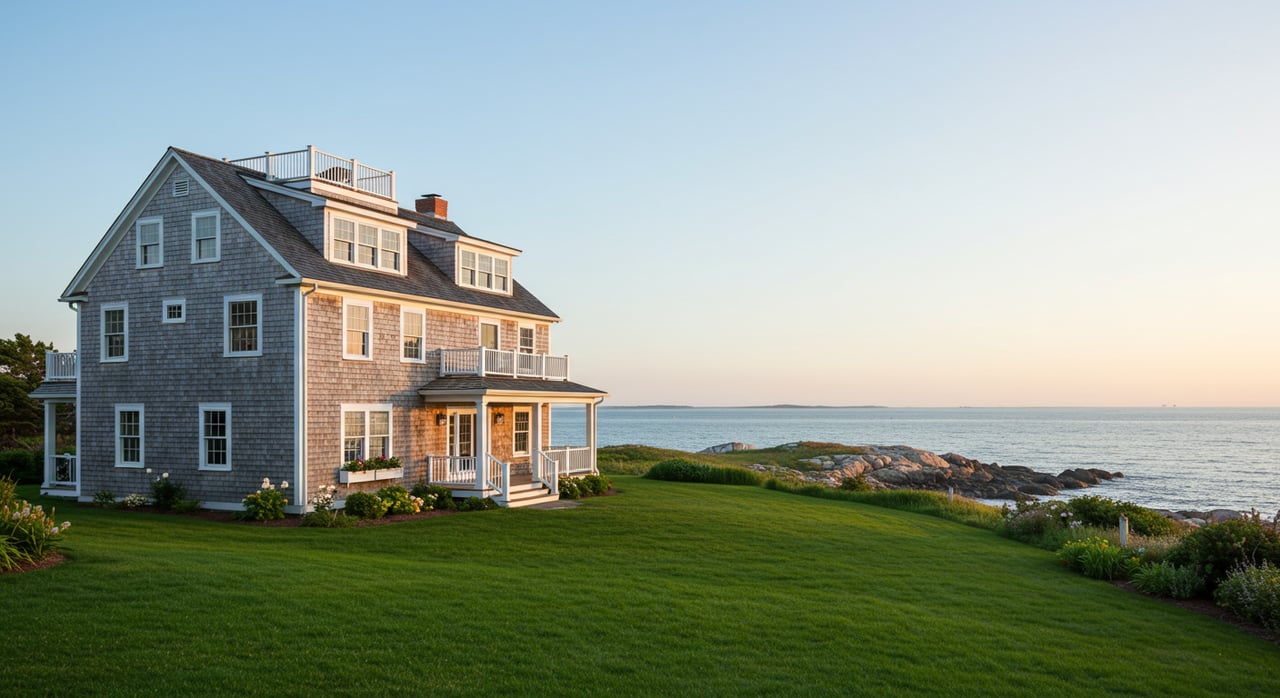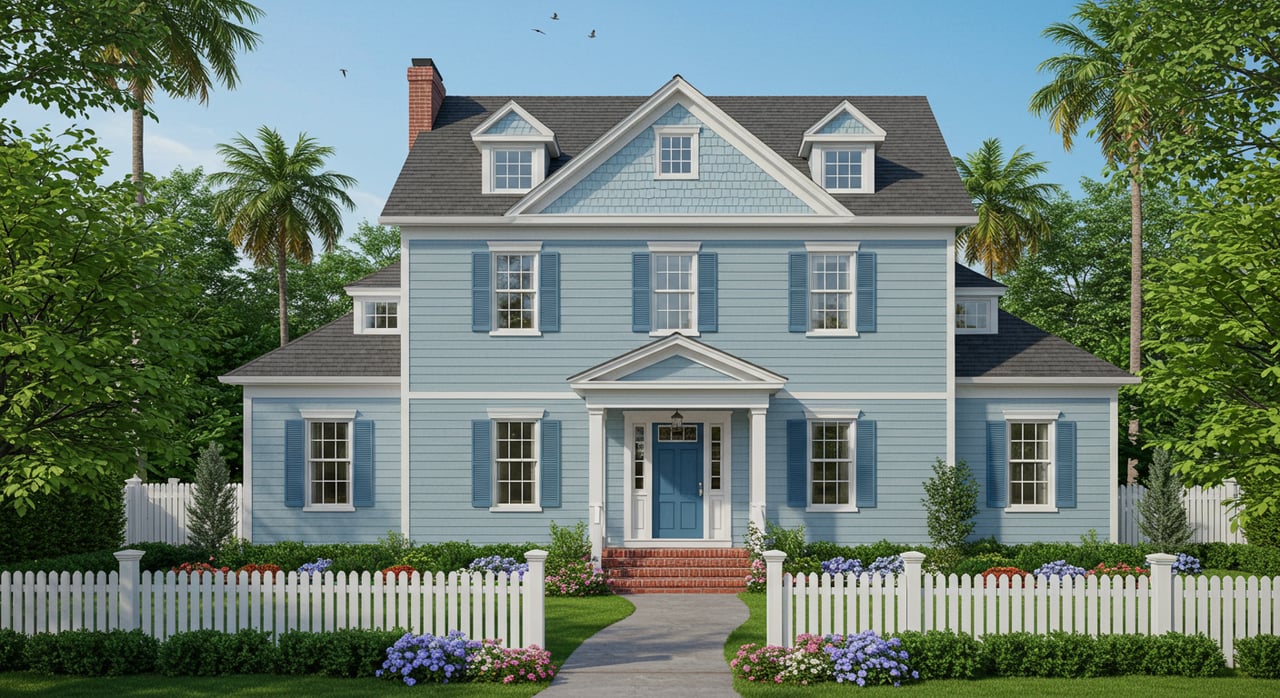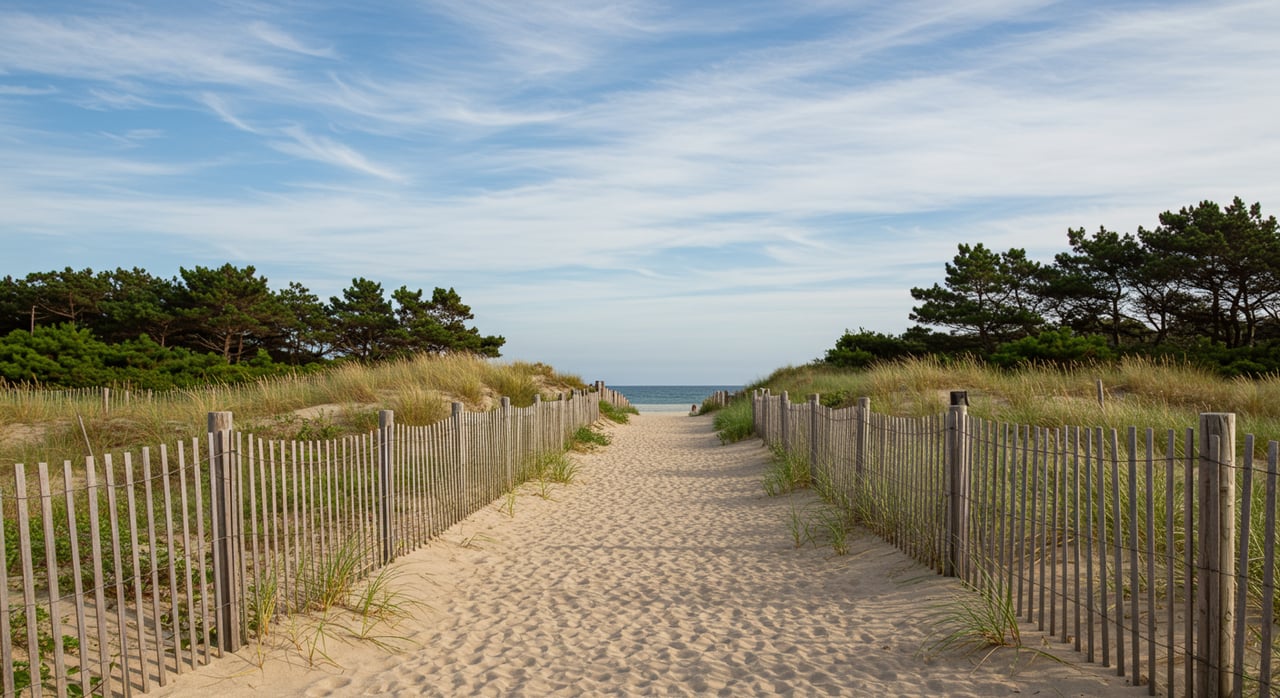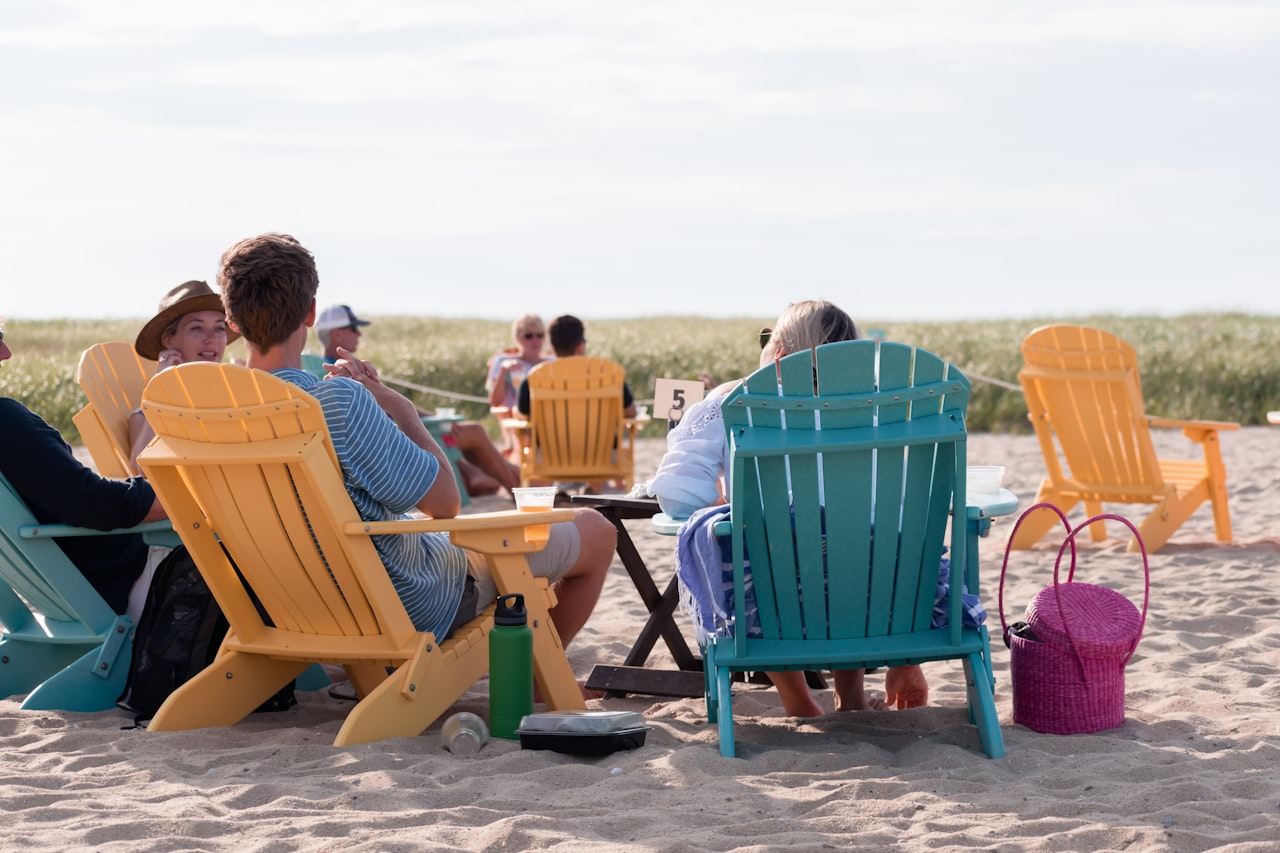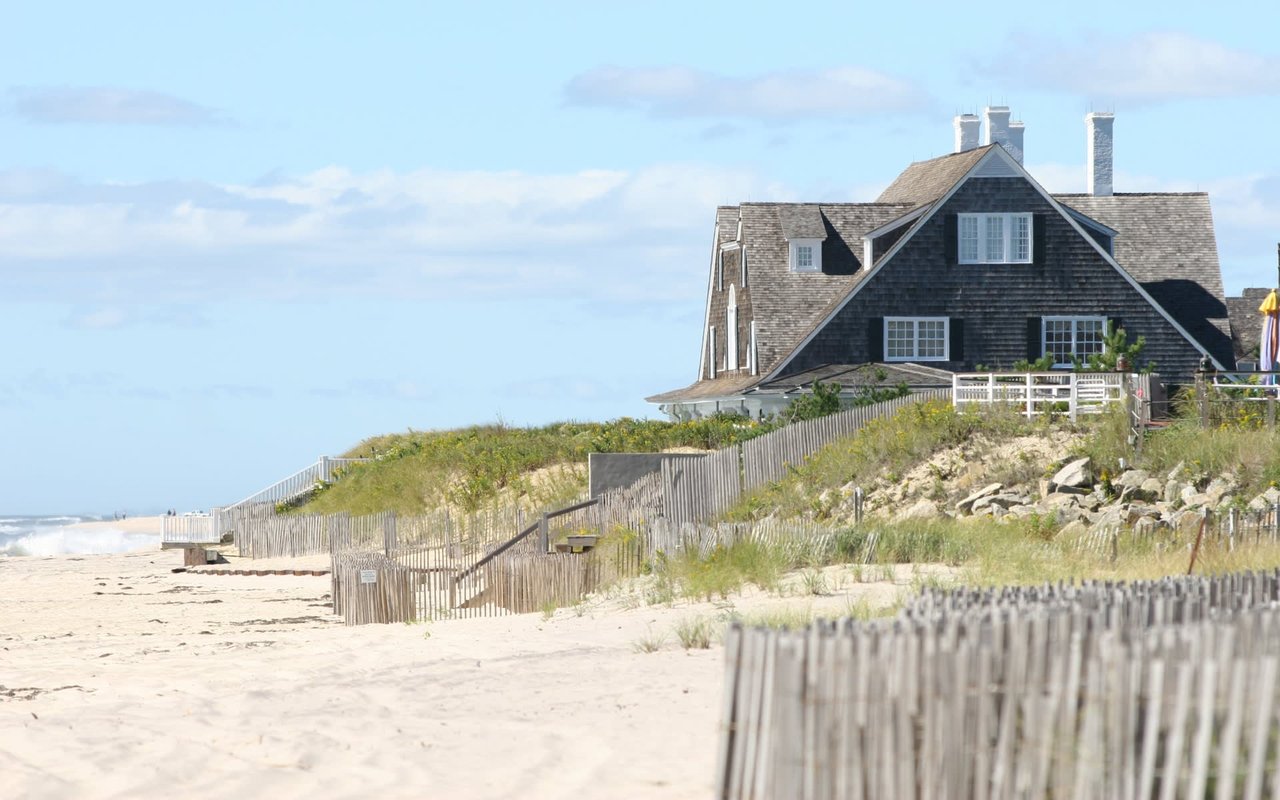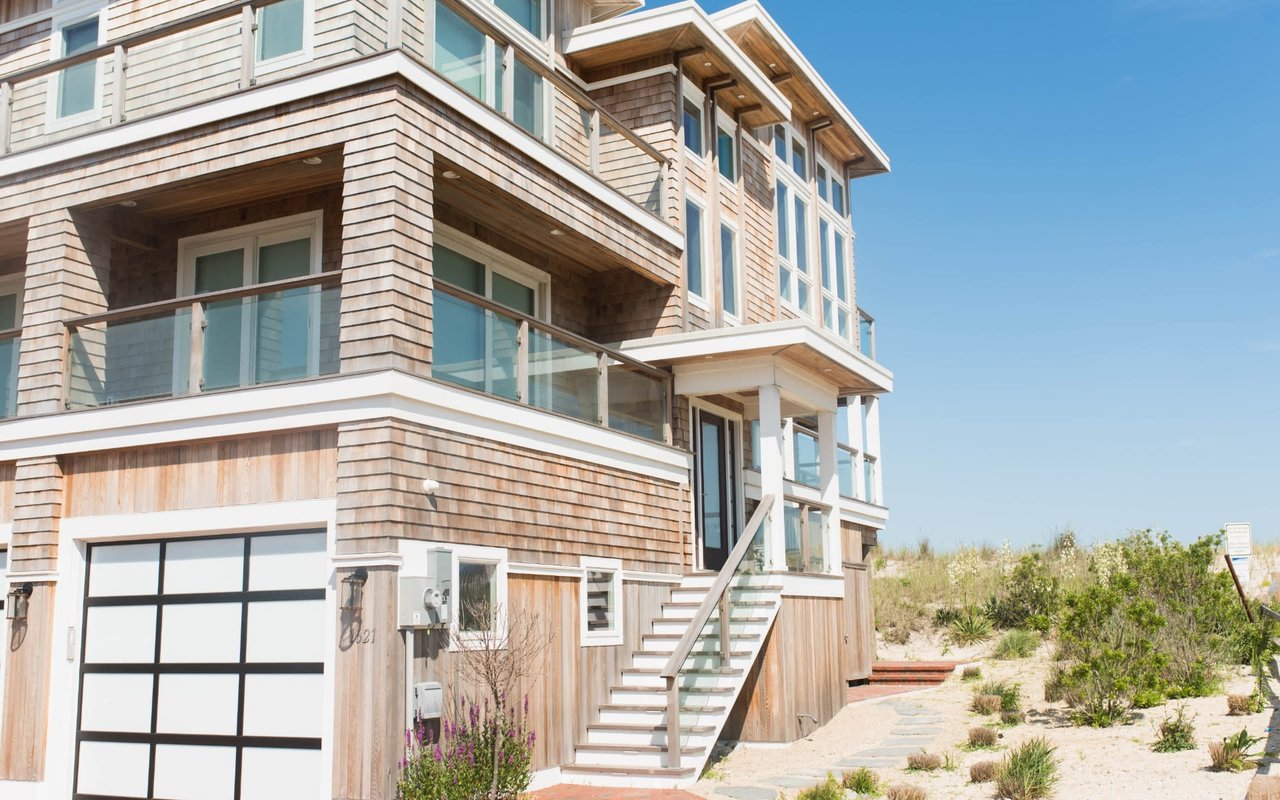
Few destinations are as enchanting as Cape Cod, known for its captivating coastal beauty and historic charm. Its four sections—the Upper, Mid, Lower, and Outer Capes—feature serene landscapes and a proud maritime heritage. A waypoint for early explorers, Cape Cod was among the original landing spots for English Puritans in the early 1600s, and the region is awash in history. The culture here is further punctuated by a vibrant artistic spirit that dates to the mid-1800s.
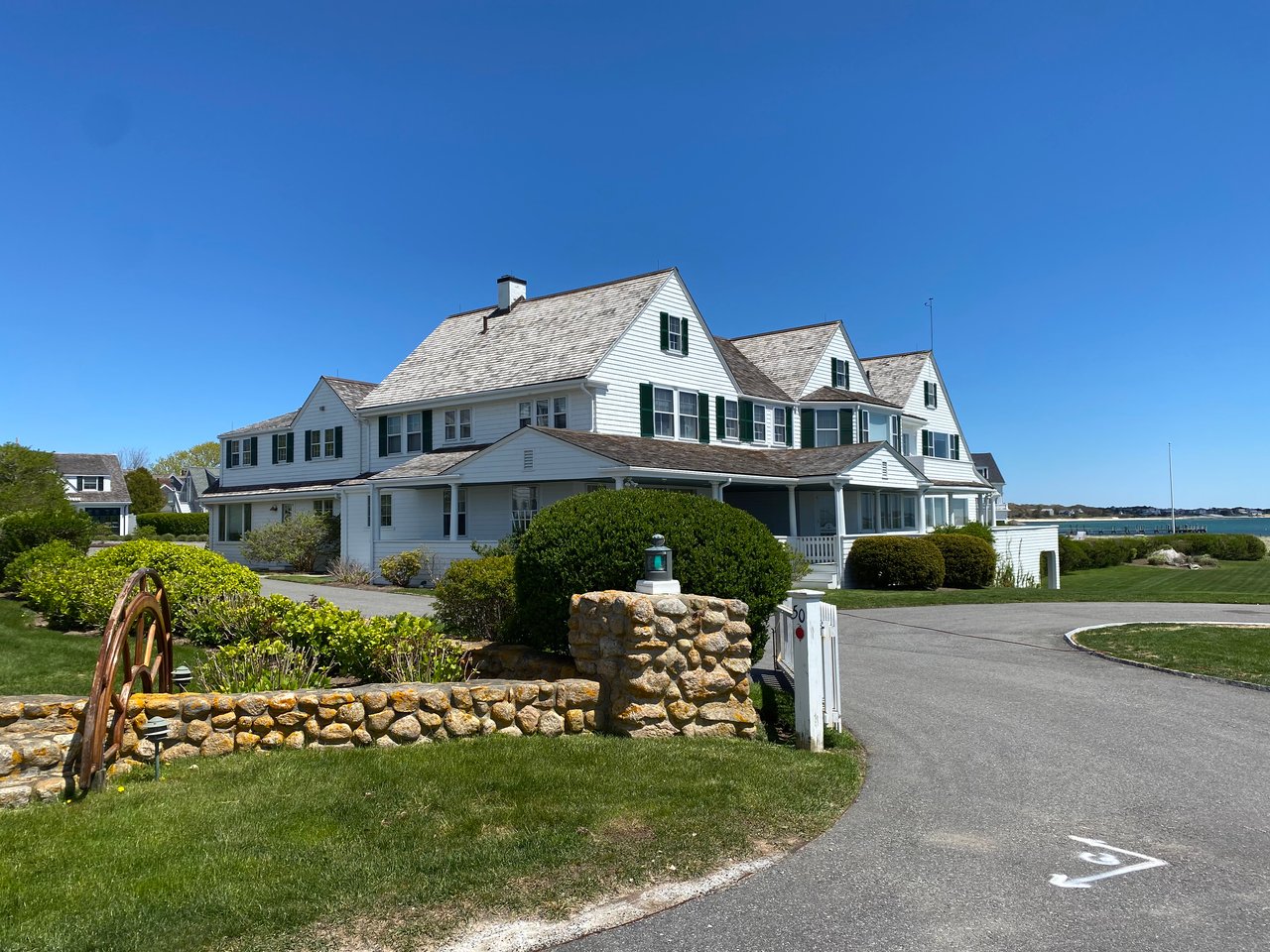
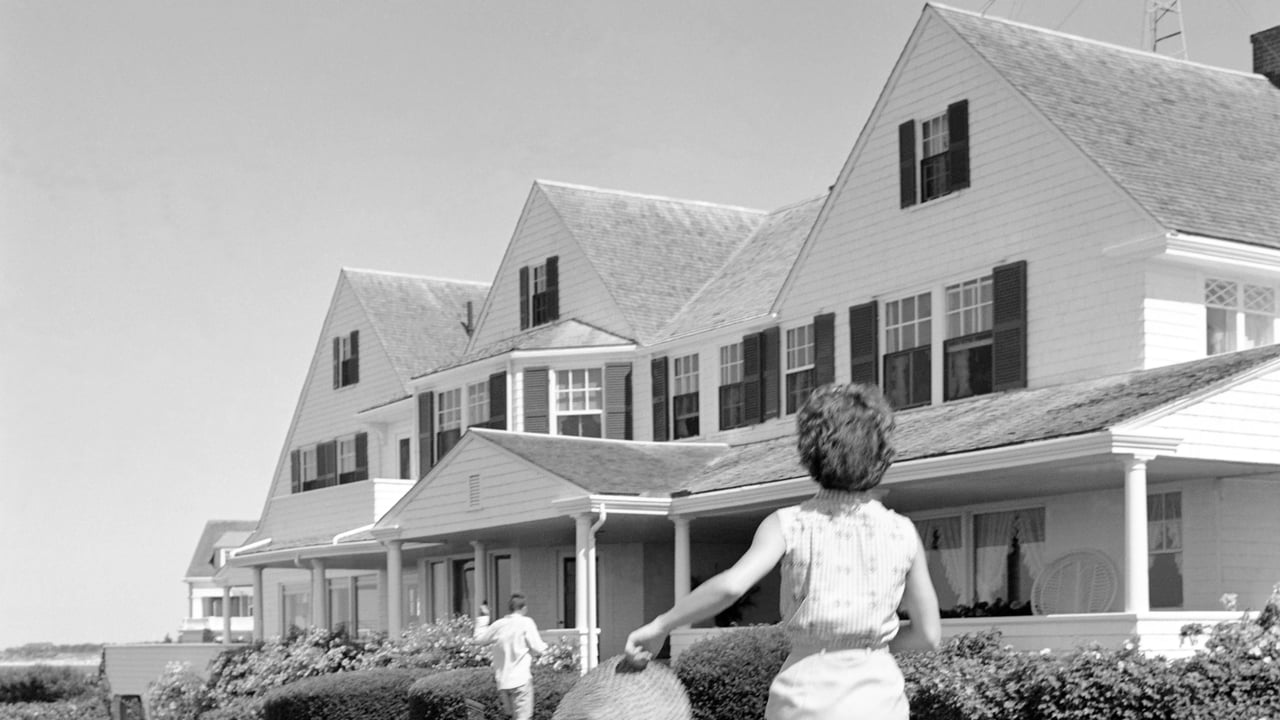
From one end of the peninsula to the other, Cape Cod's unique and storied evolution is best reflected in its buildings and structures, including the region's most celebrated architectural landmarks.
Pilgrim Monument
Provincetown, Outer Cape
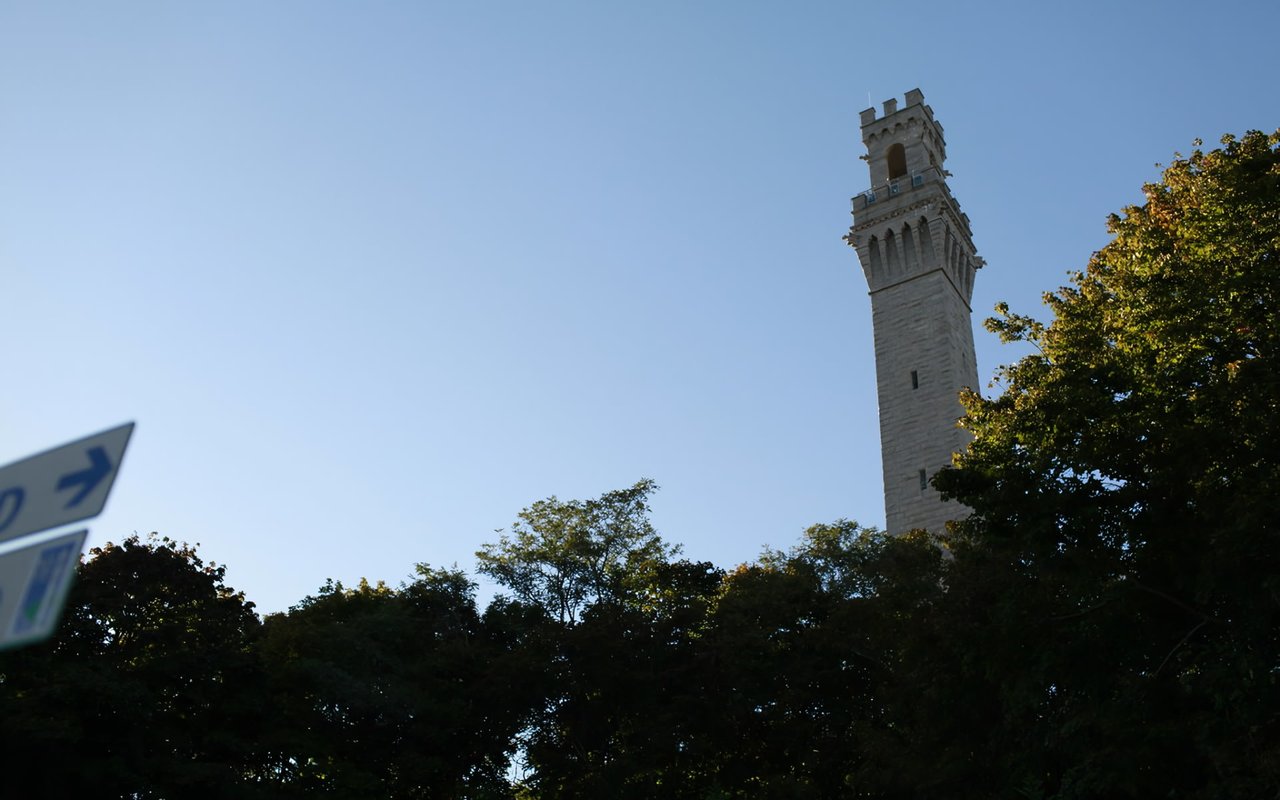
The Pilgrim Monument is a magnificent tribute to the Mayflower Pilgrims' first landing in the New World. Founded in 1892 via Cape Cod's Pilgrim Memorial Association, the monument commemorates the Pilgrims' five-week exploration of Cape Cod in November 1620. During this time, they signed the Mayflower Compact, a foundational document establishing governance in the new land.
Standing at 252 feet, with breathtaking panoramic views of Provincetown and Cape Cod Bay, the all-granite Pilgrim Monument is most notable as the tallest such structure in the United States. Designed to emulate the Torre del Mangia in Siena, Italy, its construction began with President Theodore Roosevelt laying the cornerstone in 1907. President William Howard Taft dedicated the monument upon its completion in 1910. The monument's commanding presence and intricate design make it a masterpiece of early 20th-century architecture. At its base, a museum educates visitors on Provincetown's significant role in Pilgrim and American history.
Edward Gorey House
Yarmouth Port, Mid Cape
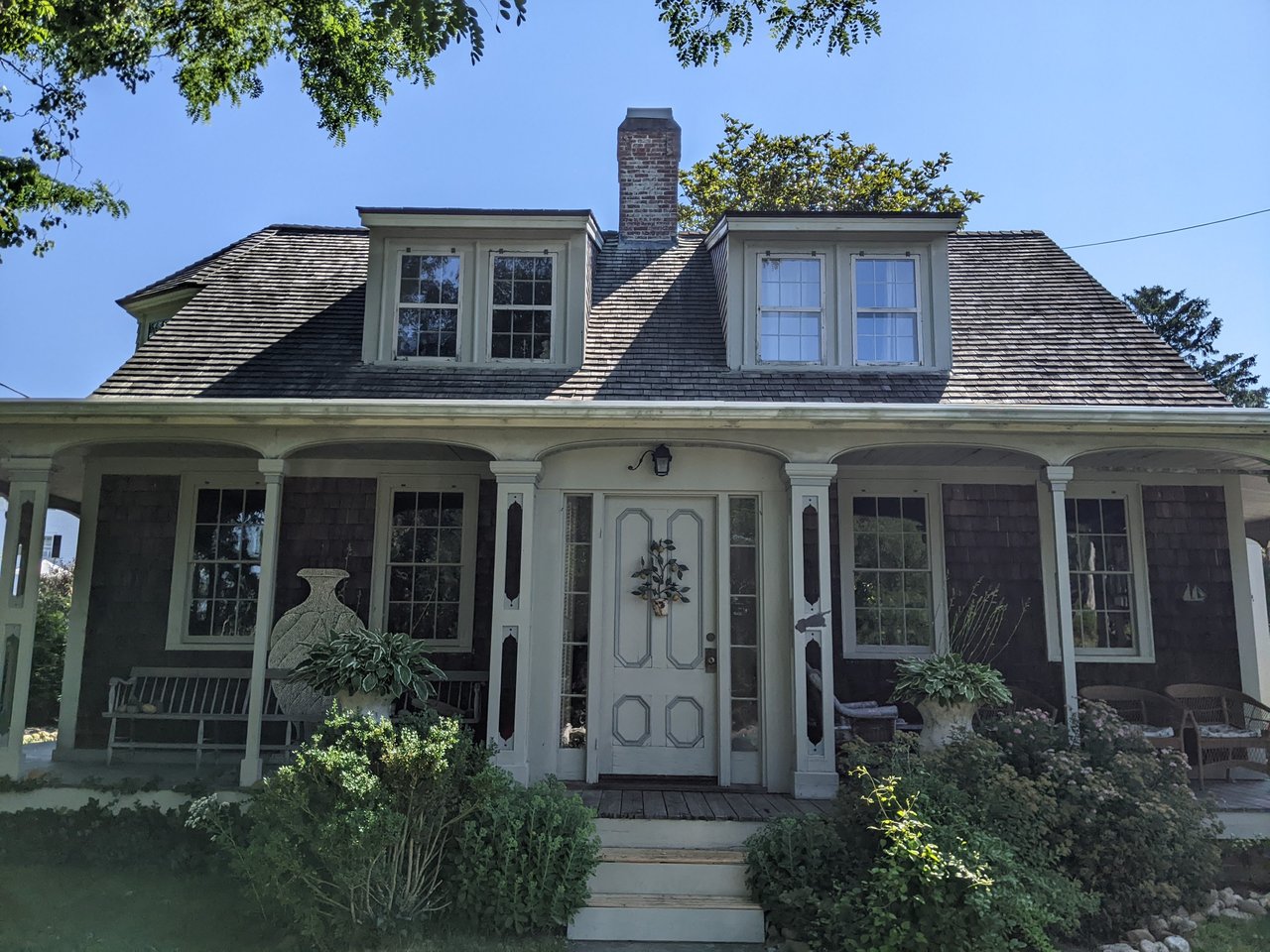
The Edward Gorey House, affectionately known as the Elephant House, is a 200-year-old sea captain's home in Yarmouth Port. In 1979, the renowned author and illustrator Edward Gorey purchased the property. After his death in 2000, the house was transformed into a museum dedicated to his life and work, supported by the Highland Street Foundation and the Edward Gorey Charitable Trust.
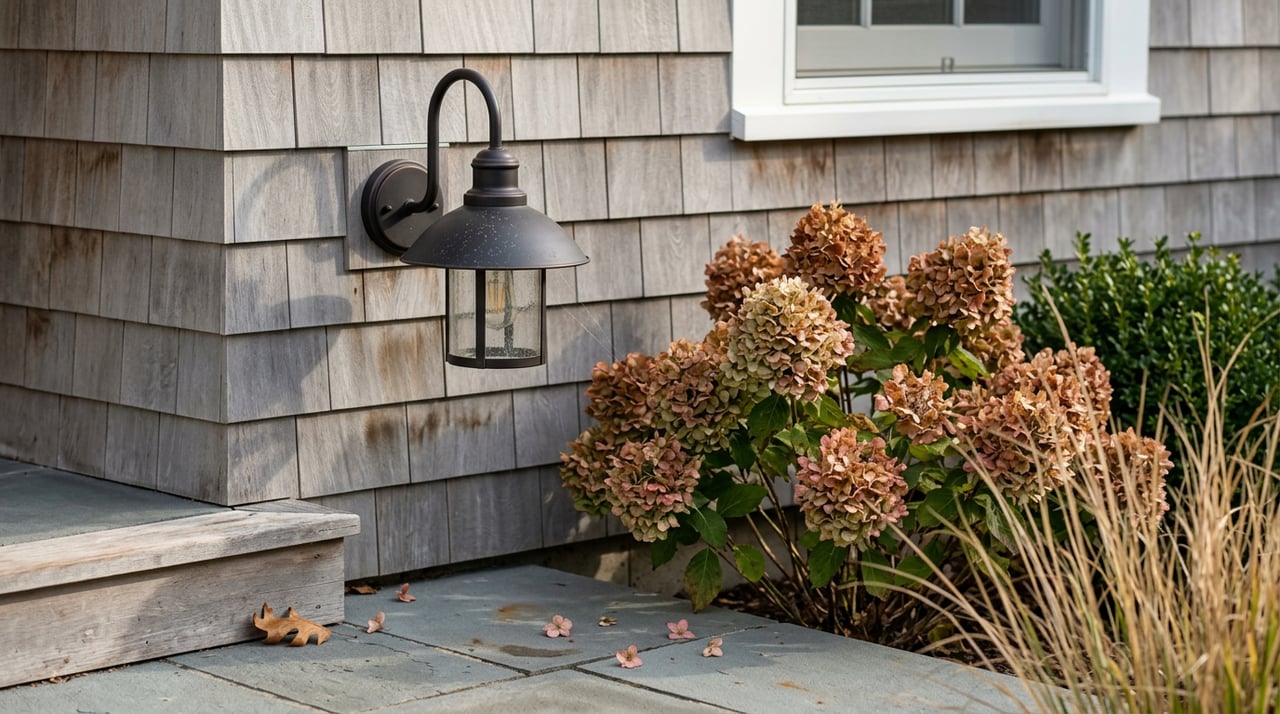
The house reflects classic New England architecture with its weathered shingles and simple yet elegant design. Inside is a treasure trove of Gorey's eclectic collections, original artwork, and period furnishings. Open from early April through December; each room offers a unique glimpse into Gorey's creative mind and personal life while highlighting the classic signatures of Cape Cod architecture. Another classic example of a Cape Cod sea captain home, the Captain Bangs Hallet House, built in the 1700s and open to the public, is located directly across the street from the Edward Gorey House.
Cape Cod's Notable Lighthouses
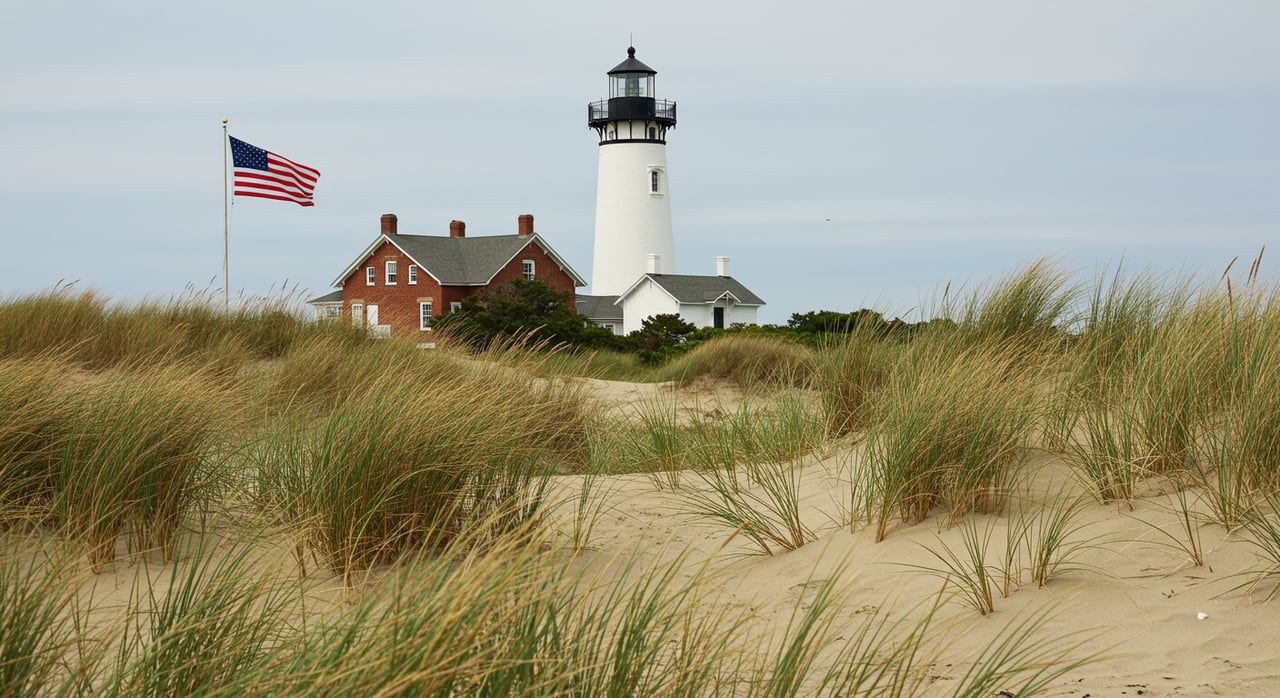
Among the most famous Cape Cod architectural structures, the peninsula's 14 lighthouses add to the romanticized coastal aesthetic while protecting it and the vessel's approaching its shores. Five of the most notable lighthouses include:
Nauset Beach Light, Outer Cape
With its iconic red and white stripes, the Nauset Beach Light is one of Cape Cod's most recognizable landmarks. It was originally built in 1877 in Chatham, but due to coastal erosion, it was moved to Eastham in 1923. The lighthouse is made of cast iron with a brick lining and stands 48 feet tall. The nearby Three Sisters Lighthouses, once part of the original Nauset Light Station, add to the area's historical charm.
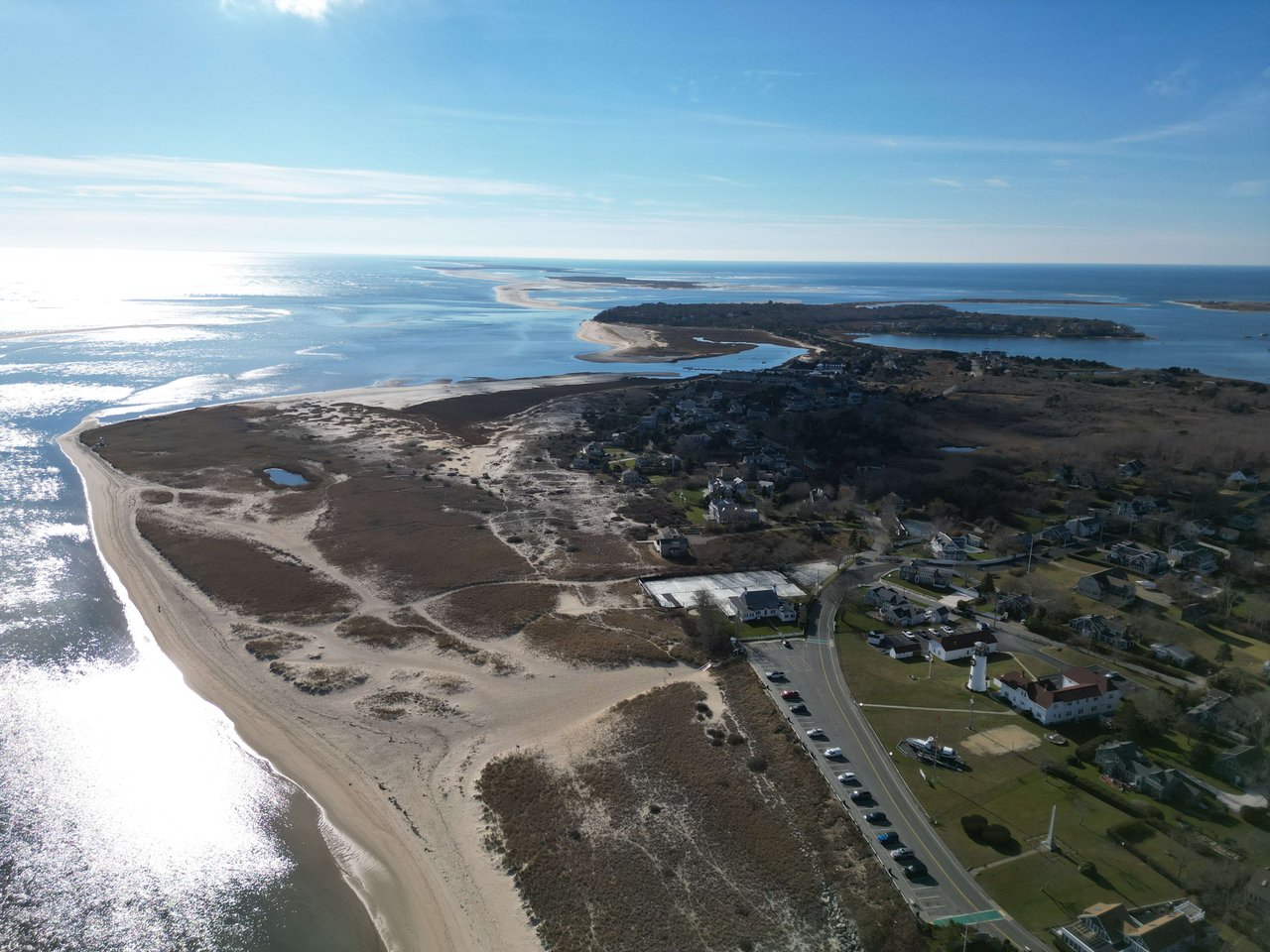
Chatham Lighthouse, Lower Cape
Standing 50 feet tall, Chatham Lighthouse offers stunning panoramas of the Atlantic Ocean, Nantucket Sound, and Pleasant Bay. Built in 1808 and moved to its current location in 1923, it remains an active navigation tool operated by the U.S. Coast Guard. The lighthouse also memorializes maritime rescues, including the famous S.S. Pendleton rescue of 1952. Tours are available from May through October, providing insight into its storied past and operational significance.
Race Point Light Station, Outer Cape
At Cape Cod's northern tip, Race Point Light was first illuminated in 1816 to guide vessels through the treacherous waters near Provincetown. The current 45-foot cast-iron tower, built in 1876, houses a modern solar-powered beacon. The Keeper's house, restored and maintained by the Cape Cod Chapter of the American Lighthouse Foundation, offers overnight stays, making it a unique historical experience.
Highland Light Station, Outer Cape
Highland Light, also known as Cape Cod Light, is both the tallest and oldest lighthouse on Cape Cod. It replaced two prior towers, the first of which was commissioned by George Washington in 1797. The current 66-foot brick tower has stood since 1857. Due to erosion, the lighthouse was moved 450 feet inland in 1996. Today, there's a museum and gift shop in the Keeper's house, with tours offering historical insights and stunning coastal views.
Nobska Lighthouse, Upper Cape
At the southwesternmost tip of Cape Cod in Falmouth, the Nobska Lighthouse stands sentry overlooking Vineyard Sound and the Elizabeth Islands. Built in 1828, this iconic structure is a testament to Cape Cod's maritime heritage. Visitors can enjoy expansive views of the coastline and learn about the lighthouse's history and its crucial role in guiding mariners safely through the treacherous waters of the Cape.
Winslow Crocker House
Yarmouth Port, Mid Cape
The Winslow Crocker House, built in the 18th century, was moved and restored by Mary Thacher in 1936. The relocation involved dismantling the house beam by beam and reassembling it in Yarmouth Port. Thacher's intent was to create a suitable backdrop for her extensive collection of antique furniture, representing styles that include Chippendale, Jacobean, Queen Anne and William and Mary.
Among the finest examples of 18th-century Cape Cod architecture, the house boasts elaborate paneling and period-accurate restorations that place it among the grandest homesteads of the era. The rich interior woodwork and carefully curated furnishings offer a complete examination of early American decorative arts. The Winslow Crocker House's historic preservation is exquisite, and visitors can explore the meticulously restored rooms and view the impressive collection of early American furniture, ceramics, and textiles.
Highfield Hall & Gardens
Falmouth, Upper Cape
Highfield Hall, built in 1878 by the Beebe family, is a premier example of Stick-style Queen Anne architecture. Originally one of two mansions on a sprawling estate (the other being Tanglewood, demolished in 1977), Highfield Hall & Gardens narrowly escaped demolition in the 1990s thanks to community efforts. The mansion has since been restored and operates as a cultural center, with art exhibitions, musical performances, and educational programs.
Intricate wooden trim, expansive porches, and large windows characterize Highfield Hall's unique Stick-style architecture. The interior features elegant woodwork, ornate fireplaces, and period furnishings. Beautifully restored in 2013, the surrounding gardens complement the mansion's historical charm. The 400-acre estate is a stunning example of 19th-century opulence on Cape Cod.
Learn More About Cape Cod Luxury Real Estate
Cape Cod's architectural landmarks offer a rich tapestry of history, culture, and artistic expression. From towering lighthouses that have guided mariners for centuries to stately homes that reflect the region's colonial past, each landmark tells a unique story.
For those seeking even more of what Cape Cod has to offer, the peninsula's high-end, and in many cases, historic, residential real estate showcases a deep appreciation for heritage, craftsmanship, and opulence. Contact The Guthrie Schofield Group today to start your Cape Cod real estate journey and uncover the best of this beloved coastal destination.
*Header photo courtesy of Massachusetts Office of Travel and Tourism via Flickr
For those seeking even more of what Cape Cod has to offer, the peninsula's high-end, and in many cases, historic, residential real estate showcases a deep appreciation for heritage, craftsmanship, and opulence. Contact The Guthrie Schofield Group today to start your Cape Cod real estate journey and uncover the best of this beloved coastal destination.
*Header photo courtesy of Massachusetts Office of Travel and Tourism via Flickr