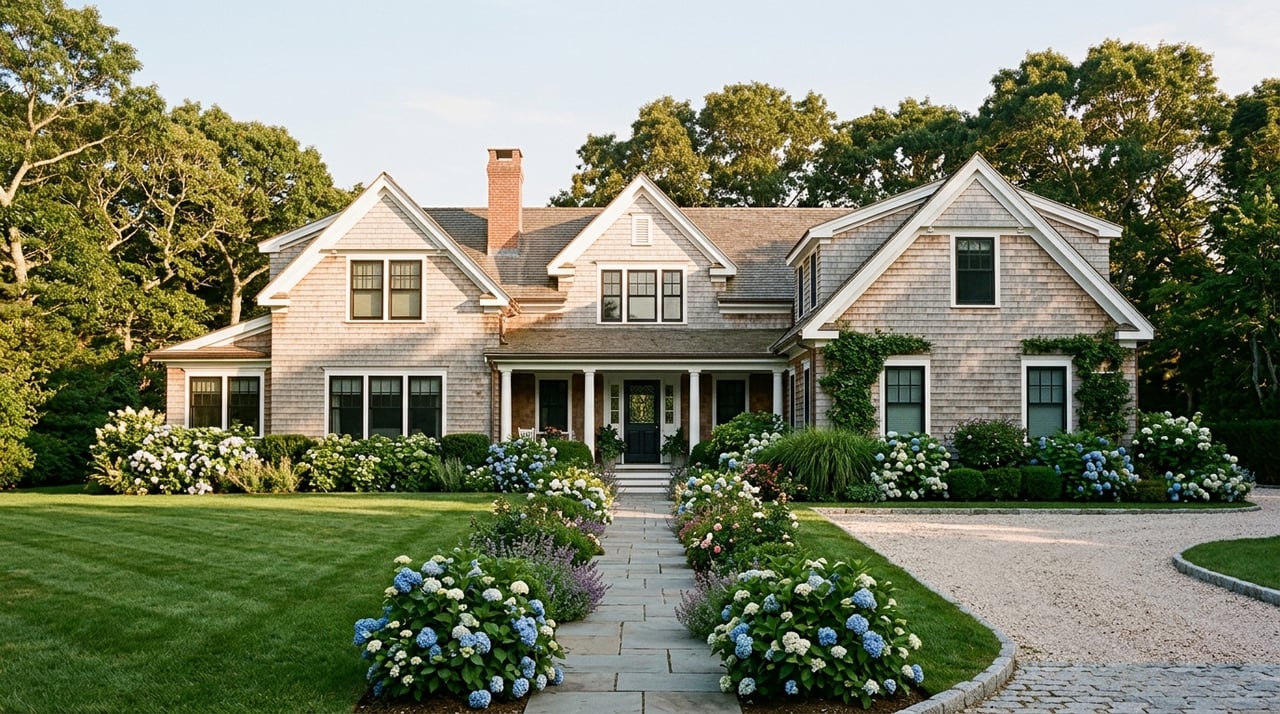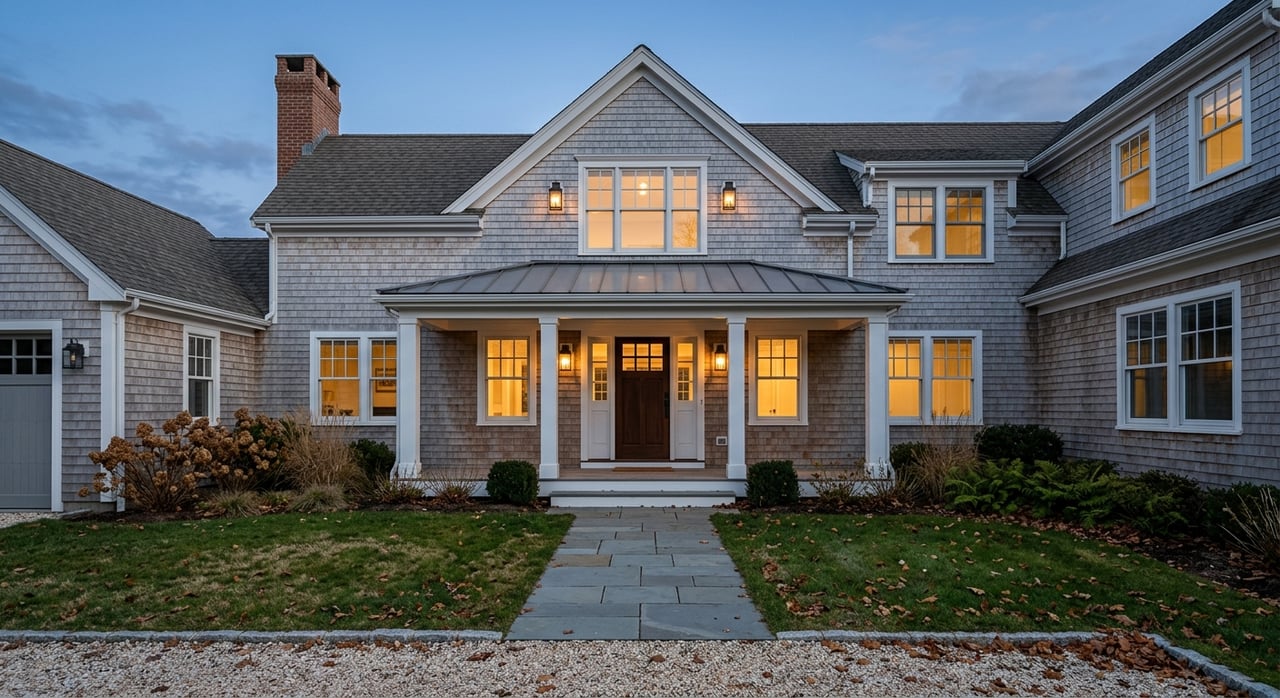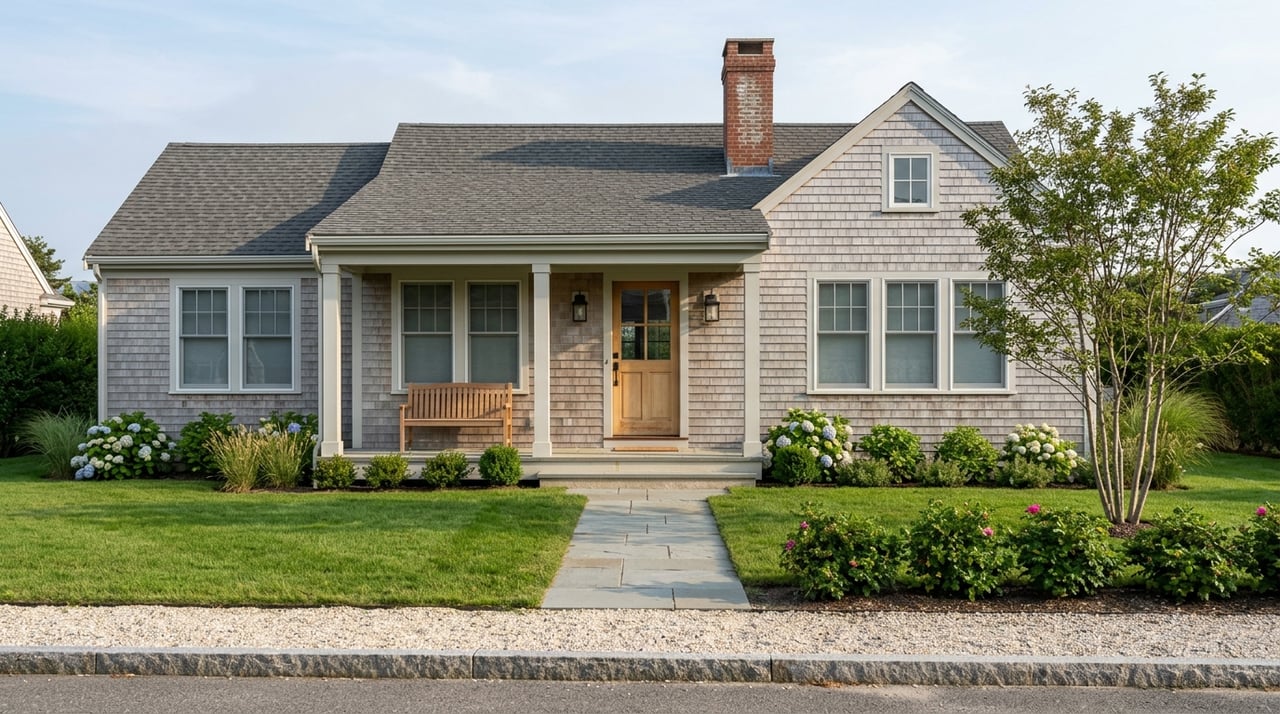
As we move through 2026, the Massachusetts real estate market continues to evolve, shaped by stabilizing mortgage rates, persistent inventory challenges, and shifting buyer expectations. Worcester is predicted to be one of the nation's hottest housing markets this year, ranking third nationally for home sales growth, while Boston maintains its position as a top-tier employment hub driving sustained housing demand.
In this report, we take a deep dive into Massachusetts' housing market trends, the key forces influencing home prices and demand, and what buyers, sellers, and investors need to know about the current landscape.
State of the Massachusetts Housing Market: Key Trends in 2026
Home Prices and Market Activity
Massachusetts single-family home prices rose 3% in 2025, with the Greater Boston median reaching $800,000 as of October, and this upward momentum has continued into 2026. The statewide median sale price now stands at $651,500, representing a 2.6% increase, reflecting more moderate appreciation compared to the rapid gains of 2020-2022.
- Boston home values have risen to a median of $857,000, up 1.4% year-over-year
- Worcester's median home price has climbed to $450,000, marking a 4.7% year-over-year increase
The market is rebalancing from seller-dominated dynamics to a more neutral environment where buyers gain negotiating leverage while sellers maintain pricing power. However, the market remains competitive, particularly in mid-range price points ($500K–$1.5M), where inventory continues to be constrained.
Days on Market and Inventory Shortage
One of the defining challenges facing Massachusetts homebuyers in 2026 remains limited inventory. With 16,978 homes currently listed, inventory dipped 4.3% year-over-year, keeping the market highly competitive despite improving mortgage rates.
- Boston homes are selling in approximately 32 days on average
- Worcester homes are selling in around 24 days, reflecting very competitive market conditions
- Statewide, properties stay listed for 56 days on the market with 2 months of supply
The limited supply of homes—especially in high-demand urban and suburban areas—continues to make it challenging for buyers to find options within their budget. New housing permits as of July 2025 were down 44% from July 2021 levels, creating a looming supply cliff for 2026 and 2027.
Boston Housing Market: A Resilient Urban Center
Boston's real estate market continues to demonstrate resilience, fueled by a combination of strong job growth, tight inventory, and sustained demand for urban living.
Why is Boston's Market Still Competitive?
🏢 Strong Economy & Job Market – Boston continues to be a top five market economically, with job stability across biotech, tech, education, and industry sectors, equating to lower unemployment and higher wages.
🚆 Walkability & Public Transit Access – Buyers continue to prioritize walkable neighborhoods and access to the MBTA, leading to intense demand in areas like Back Bay, Beacon Hill, and Cambridge.
🏡 Limited Housing Supply – With construction costs soaring and zoning restrictions in place, Boston's inventory remains extremely constrained.
Boston Real Estate Market Snapshot (Q1 2026)
📊 Median Home Price: $857,000 (+1.4% YoY)
⏳ Average Days on Market: 32
🏠 Market Conditions: Very Competitive Seller's Market
Boston home prices are projected to grow by 2.5% to 4% through 2026, potentially pushing average values closer to $889,000–$890,000. The market remains one of the most competitive in the country, particularly for mid-tier properties ($1M–$3M). Many homes receive 3 offers on average, with some selling with waived contingencies.
Worcester: A Rising Star in Massachusetts Real Estate
Worcester is predicted to see 12.6% home sale growth and 2.4% price appreciation in 2026, making it the third-hottest housing market in the nation. The city has rapidly become one of the most sought-after markets in the state, thanks to its affordability, proximity to Boston, and ongoing urban revitalization.
What's Driving Worcester's Housing Boom?
🚆 Commuter-Friendly Location – With expanded rail service and direct access to Boston, Worcester has become a top destination for buyers priced out of the city.
💰 Relative Affordability – Worcester's median home price of $450,000 remains significantly lower than Boston's, making it a prime choice for first-time buyers and investors.
🏙 Urban Revitalization & Investment – Neighborhoods like Canal District and Main South are attracting new buyers thanks to redevelopment projects, cultural attractions, and new businesses.
Worcester Real Estate Market Snapshot (Q1 2026)
📊 Median Home Price: $450,000 (+4.7% YoY)
⏳ Average Days on Market: 24
🏠 Market Conditions: Very Competitive Seller's Market
Worcester's housing market is very competitive, with homes receiving 3 offers on average. With strong appreciation and limited inventory, Worcester is positioned for continued growth throughout 2026.
Key Market Influences: Interest Rates, Migration Trends & More
1. Interest Rates & Their Impact on Buying Power
Mortgage rates are expected to hover near 6.3% in 2026, dipping from 6.6% in 2025 while staying well above pandemic-era levels. As of January 2026, current interest rates in Massachusetts are around 6.10% for a 30-year fixed mortgage.
While rates have stabilized from their 2023 peaks, they remain significantly higher than the historic lows of 2.5% in 2021, continuing to impact affordability:
- Buyers who locked in low rates remain hesitant to sell, further tightening inventory
- First-time buyers face higher monthly payments compared to previous years
- Experts predict that if rates get below 6% and stabilize there, there will be an increase in both buyers and sellers entering the market
2. Where Are People Moving?
Massachusetts continues to see strong in-migration trends, particularly from New York, Connecticut, and California.
- Worcester & Greater Boston remain top destinations for job-seekers and remote workers
- Nationally, 46% of all buyers moved to the South in recent years, but Massachusetts has retained its economic appeal and desirability
- 3% of homebuyers nationally searched to move into Boston from outside metros, with New York leading the way
3. The Luxury Market: Resilience in High-End Segments
By 2025, only three municipalities in Greater Boston had median single-family home prices below $500,000—Brockton, Halifax, and Wareham—while Brookline, Wellesley, and Weston now see median prices topping $2 million.
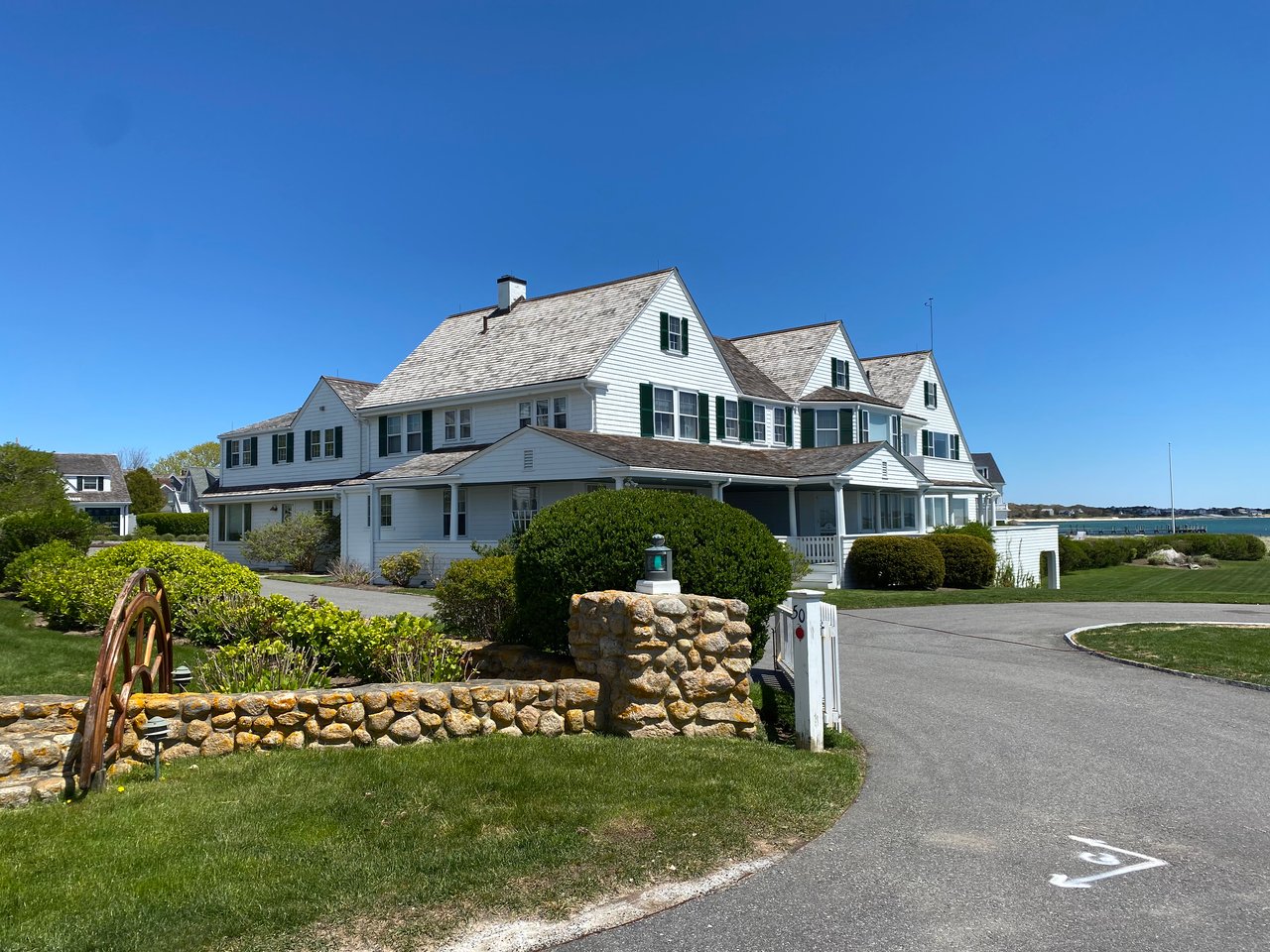
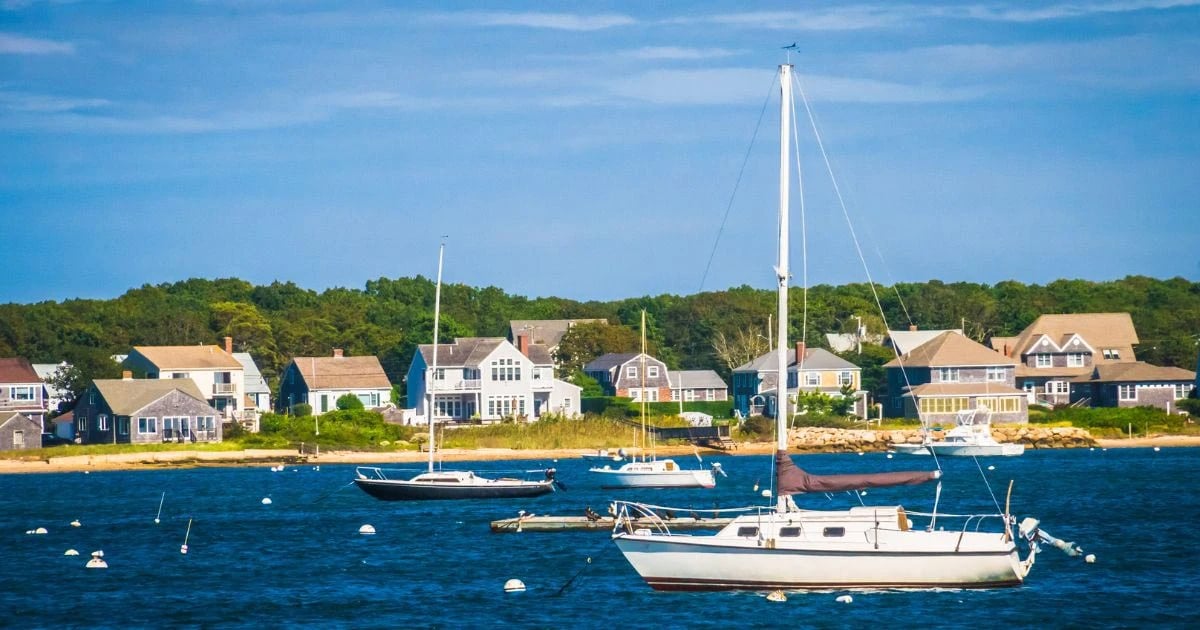
On Cape Cod, sales of homes above $2 million jumped 35% in the first five months of 2025 compared to the same period in 2024. While the luxury market ($3M+) has seen some softening compared to mid-tier segments, high-net-worth buyers remain active in ultra-prime locations such as:
🏡 Beacon Hill & Back Bay (Boston)
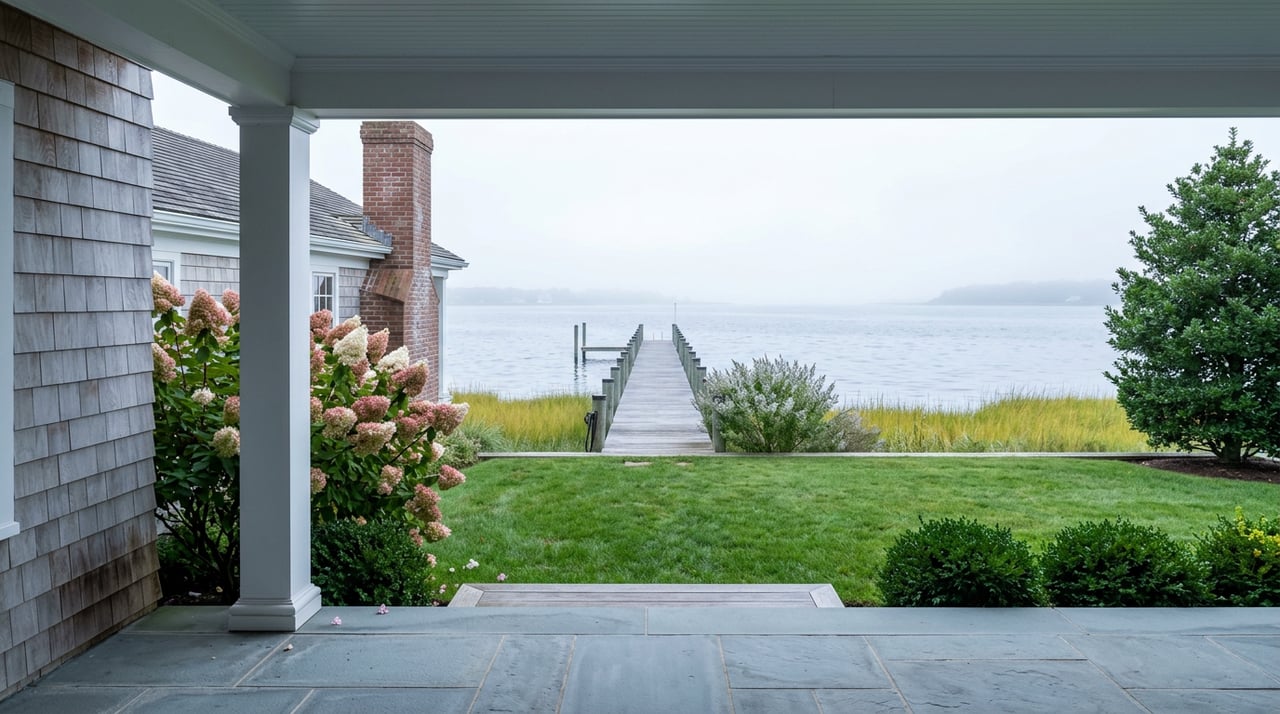
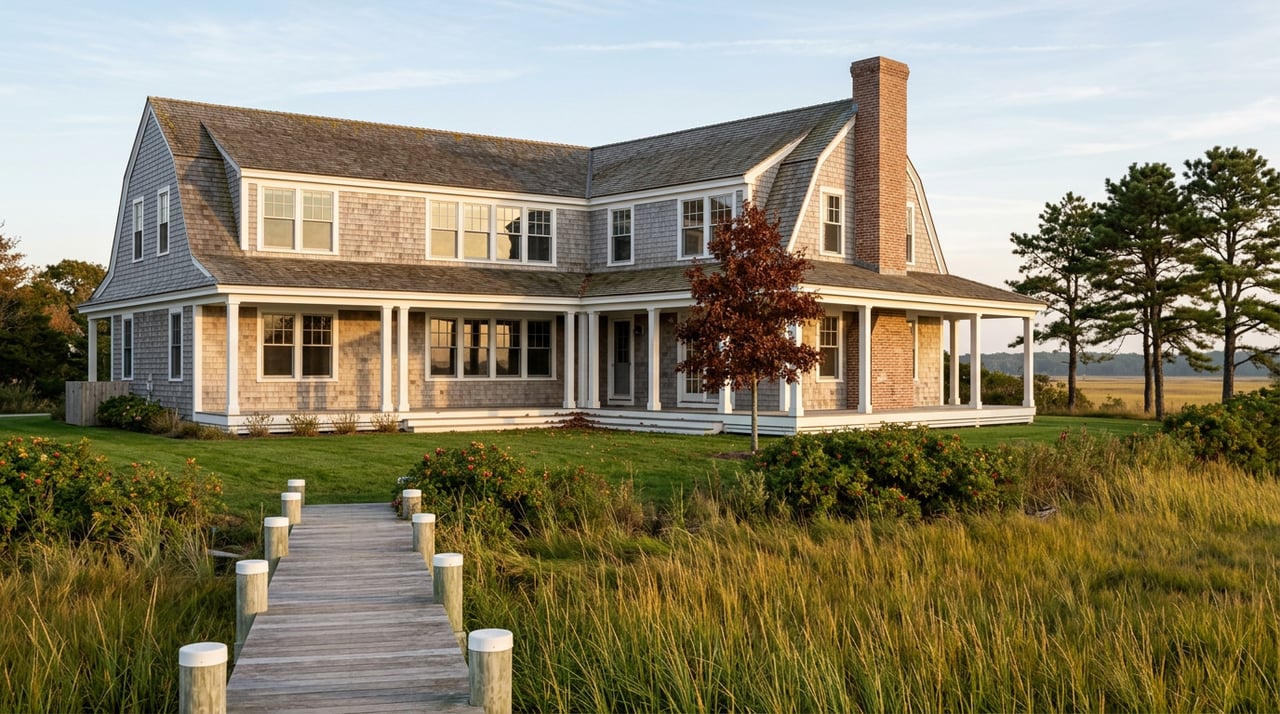
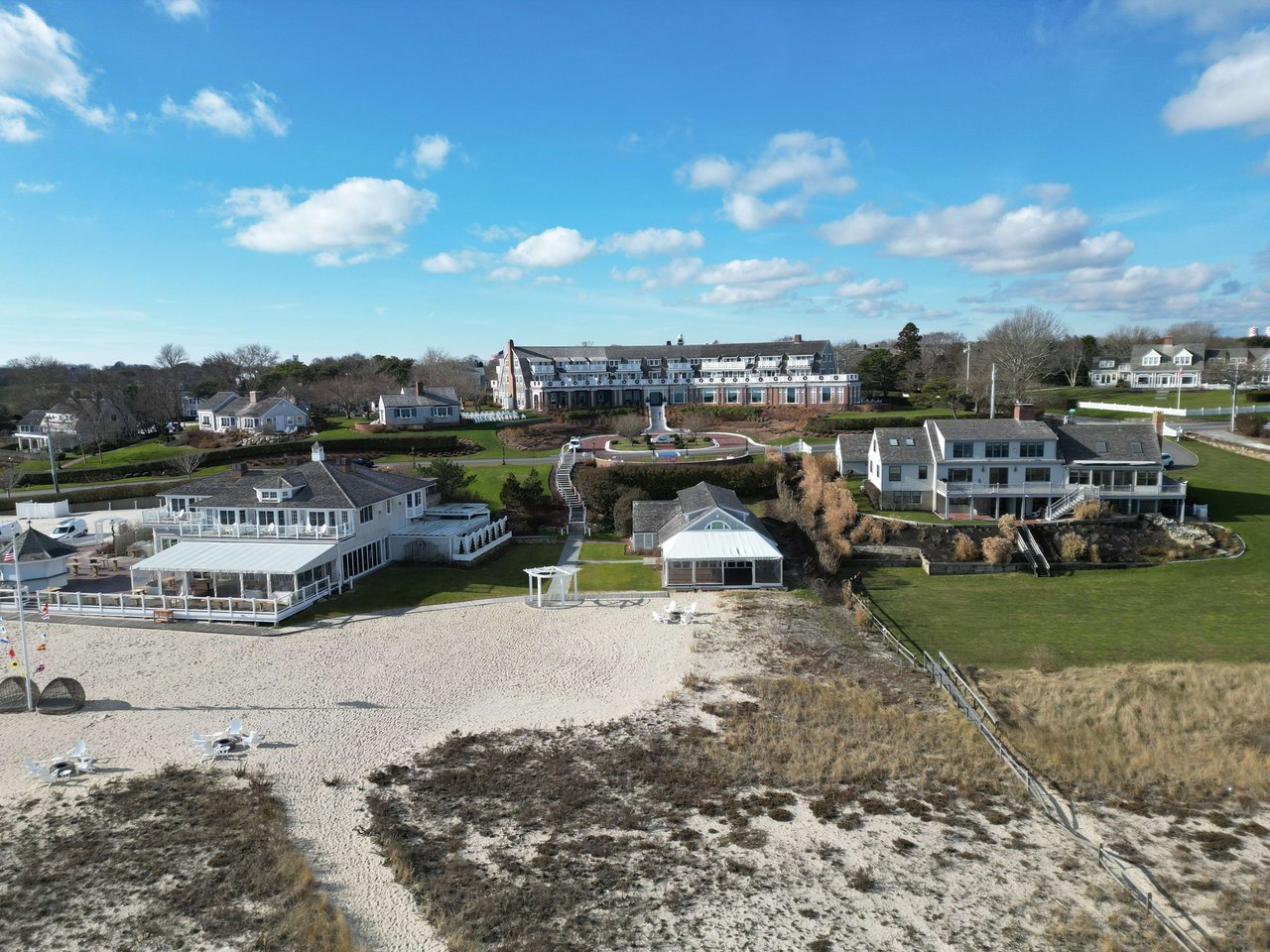
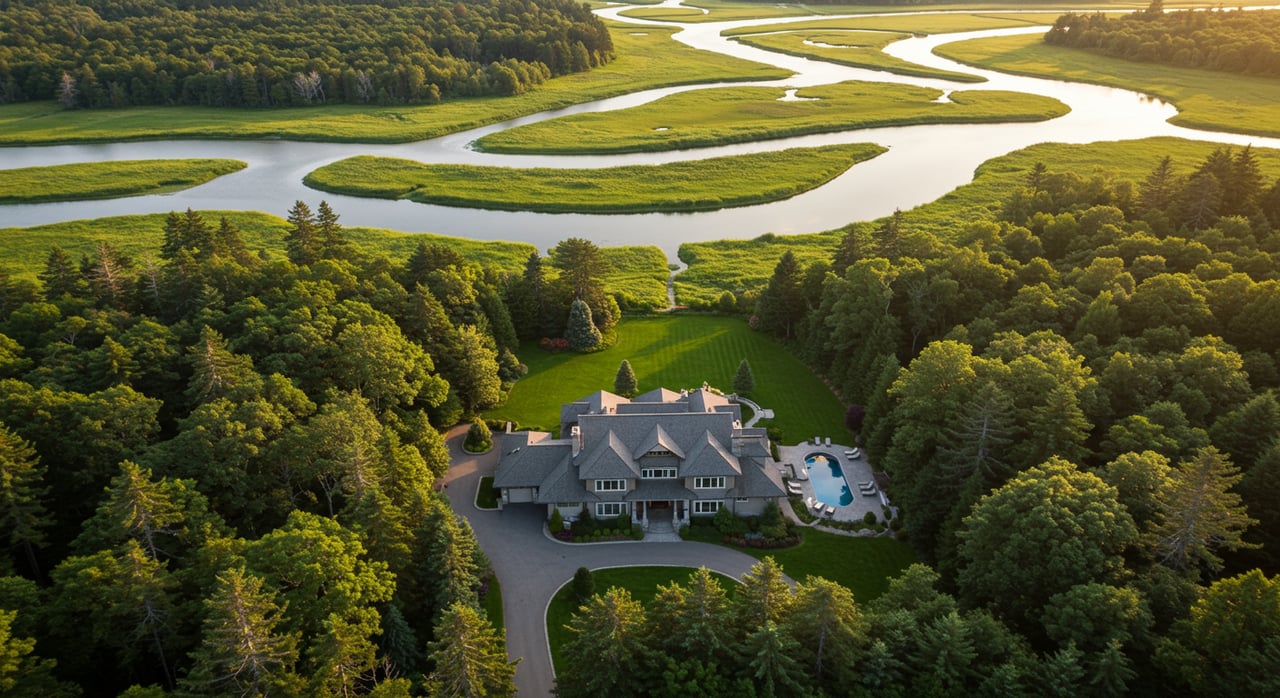
🌊 Cape Cod's Waterfront Estates
🌳 Weston, Newton & Wellesley
Most luxury buyers can pay cash, so higher mortgage payments have less impact on luxury sales. In 2026, luxury buyers are increasingly motivated by seeking stable real estate investments amid market volatility.
Outlook for 2026: What Buyers & Sellers Need to Know
🔹 For Buyers: Massachusetts's housing market is expected to transition toward more balanced conditions in 2026, with home prices expected to rise modestly by 2-4% and inventory levels forecast to increase 5-10%. Cheaper monthly payments could lift home sales, even if affordability concerns remain. Opportunities exist, particularly in suburban and secondary markets like Worcester.
🔹 For Sellers: It remains a seller's market, especially in affordable and mid-tier price points ($500K–$1.5M). Well-priced homes continue to sell quickly with multiple offers.
🔹 For Investors: Worcester and Greater Boston remain strong investment opportunities, particularly in the rental and multi-family sectors due to persistent housing shortages and strong rental demand.
Final Thoughts: Is Now the Right Time to Buy or Sell?
Massachusetts' housing market remains one of the strongest in the nation, with continued price growth, strong demand, and limited inventory. Market participants are accepting the new economic baseline, and the stalemate between buyers and sellers is being replaced by a pragmatic drive to get on with life.
✔️ If you're buying: Work with an experienced agent to navigate the competitive market. Pre-approval and strategic bidding remain essential.
✔️ If you're selling: 2026 continues to favor sellers, particularly in high-demand price points. Now is a strong time to list your home.
✔️ If you're investing: Worcester and Greater Boston present strong long-term growth opportunities, particularly in rental and multi-family properties where demand continues to exceed supply.
Frequently Asked Questions about the Massachusetts Housing Market in 2026
1. Why is Worcester considered one of the hottest housing markets in the U.S.?
Worcester is predicted to see 12.6% home sale growth and 2.4% price appreciation in 2026, ranking third nationally. The city's appeal comes from its relative affordability compared to Boston, improved commuter rail access, and ongoing urban revitalization projects attracting new businesses and residents.
2. How have mortgage rates impacted buyers in Massachusetts in 2026?
Interest rates are expected to hover near 6.3% for a 30-year fixed loan in 2026, down slightly from 2025 but still significantly higher than pandemic-era rates. While the challenges of affordability and the 'lock-in effect' remain present in 2026, the grip is loosening. Buyers face higher monthly payments, but the slight rate decreases are providing some relief.
3. What is driving home price growth in Massachusetts?
Prices are increasing 3 to 4% in the Northeast and Midwest, supported by tight inventory and strong labor markets. Massachusetts benefits from robust job growth in biotech, technology, and healthcare sectors, combined with limited new construction and persistent inventory shortages.
4. What price ranges are most competitive in Massachusetts right now?
The most competitive range remains $500K–$1.5M, which covers many mid-tier homes in both suburban and urban markets. Limited inventory in this bracket creates multiple-offer situations, often requiring buyers to be pre-approved and ready to act quickly.
5. How is the luxury market performing in 2026?
Cape Cod luxury home sales above $2 million surged 35% in early 2025, and this momentum has continued into 2026. The luxury market has proven resistant to high interest rates because most luxury buyers can pay cash. Demand remains steady in prestigious locations like Beacon Hill, Back Bay, Cape Cod waterfronts, and affluent suburbs, though sales activity is more measured than during 2021–2022.
6. What migration trends are shaping the Massachusetts housing market?
Massachusetts continues to attract buyers from New York, Connecticut, and California, drawn by the state's strong economy, world-class education institutions, and job opportunities. Worcester and Greater Boston remain top choices for relocations, with buyers seeking both affordability and access to career opportunities.
7. How long are homes staying on the market in Massachusetts?
Statewide, properties stay listed for 56 days on the market, though this varies significantly by location and price point. Boston homes average 32 days on market, while Worcester homes sell in approximately 24 days. Desirable properties in competitive price ranges continue to sell quickly with multiple offers.
8. What policy changes are affecting the market?
The Affordable Homes Act, signed in late 2024, aims to accelerate housing production and require municipalities to allow accessory dwelling units by right. At least 165 cities and towns have created some level of zoning for multifamily housing under the MBTA Communities Act. These reforms may gradually increase inventory, though meaningful supply relief will take time.
At Guthrie Schofield Group, we provide expert guidance and market insights to help you make the best real estate decisions.
📩 Contact us today to explore buying, selling, or investment opportunities in Massachusetts' hottest real estate markets!
Citation Report: Sources Used
This report was compiled using the following sources:
- Houzeo - Massachusetts Housing Market: What to Expect in 2025? (Current market data and 2026 forecasts)
- Boston.com - The Great Thaw: Why 2026 is the year Massachusetts real estate finally accepts the new normal (December 31, 2025)
- The Boston Globe - The Great Thaw: Why 2026 is the year Massachusetts real estate finally accepts the new normal (December 31, 2025)
- Patch (Across Massachusetts) - What Will The MA Real Estate Market Look Like In 2026? (December 2025)
- Axios - What 2026 could hold for the housing market (January 1, 2026)
- Innago - Massachusetts Housing Market Trends & Forecast 2024 (December 2025)
- Banker & Tradesman - Worcester Predicted to be a Top Housing Market in 2026 (December 2025)
- Redfin - Worcester Housing Market: House Prices & Trends (Current data)
- Boston 25 News - Worcester's 2025 housing market year in review (December 30, 2025)
- Redfin - Boston Housing Market: House Prices & Trends (Current data)
- Zillow - Boston, MA Housing Market: 2025 Home Prices & Trends
- The Luxury Playbook - Boston Real Estate Market Overview & Forecast (2025 & 2026) (October 2025)
- Bankrate - Compare Today's Massachusetts Mortgage and Refinance Rates (January 1, 2026)
- Money.com - Will Mortgage Rates Go Down in 2026? Here's What Housing Experts Predict (December 29, 2025)
- The Boston Globe - On Cape Cod, luxury home sales are soaring (July 3, 2025)