10 Famous Homes on Cape Cod and the Stories Behind Them
Cape Cod has never been simply a vacation destination.
For generations, the peninsula has attracted presidents, artists, authors, actors, entrepreneurs, sea captains and families looking for something increasingly rare: a place where history and everyday life still coexist.
Some Cape Cod homes became famous because of the people who lived in them.
Others became important because they represent a particular moment in Cape Cod's architectural or maritime history.
Here are 10 worth knowing.
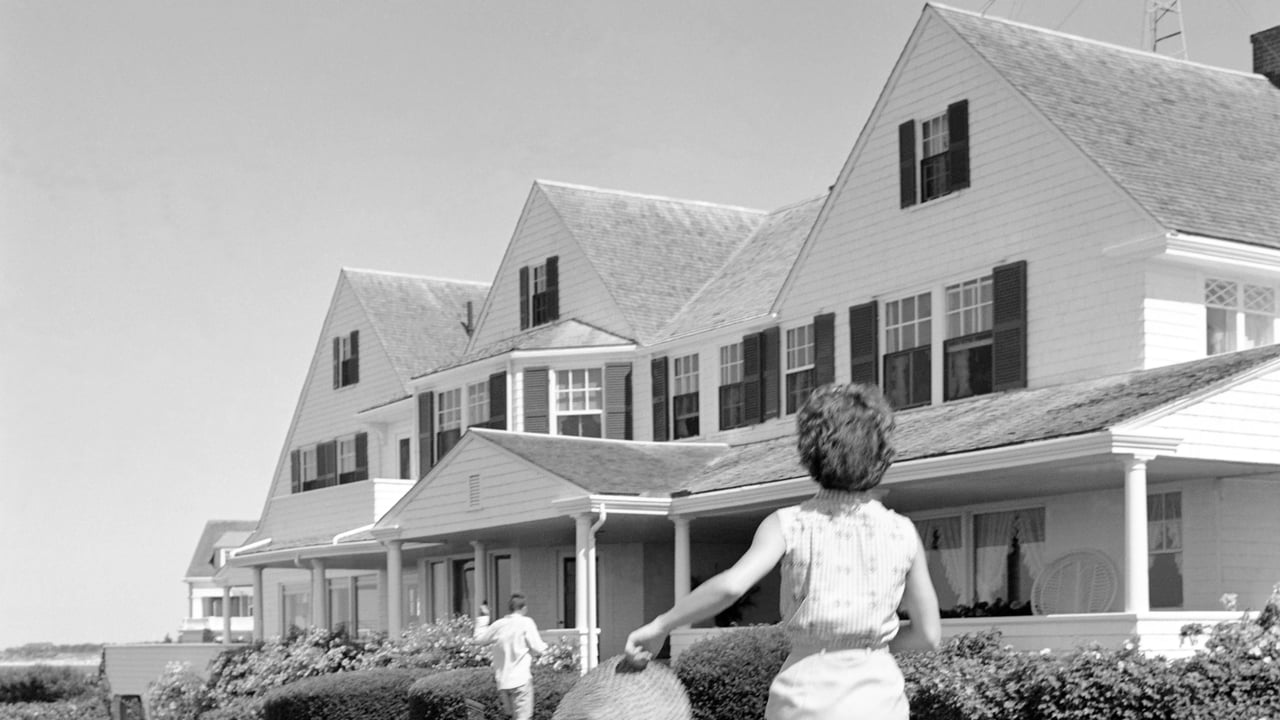
1. The Kennedy Compound — Hyannis Port
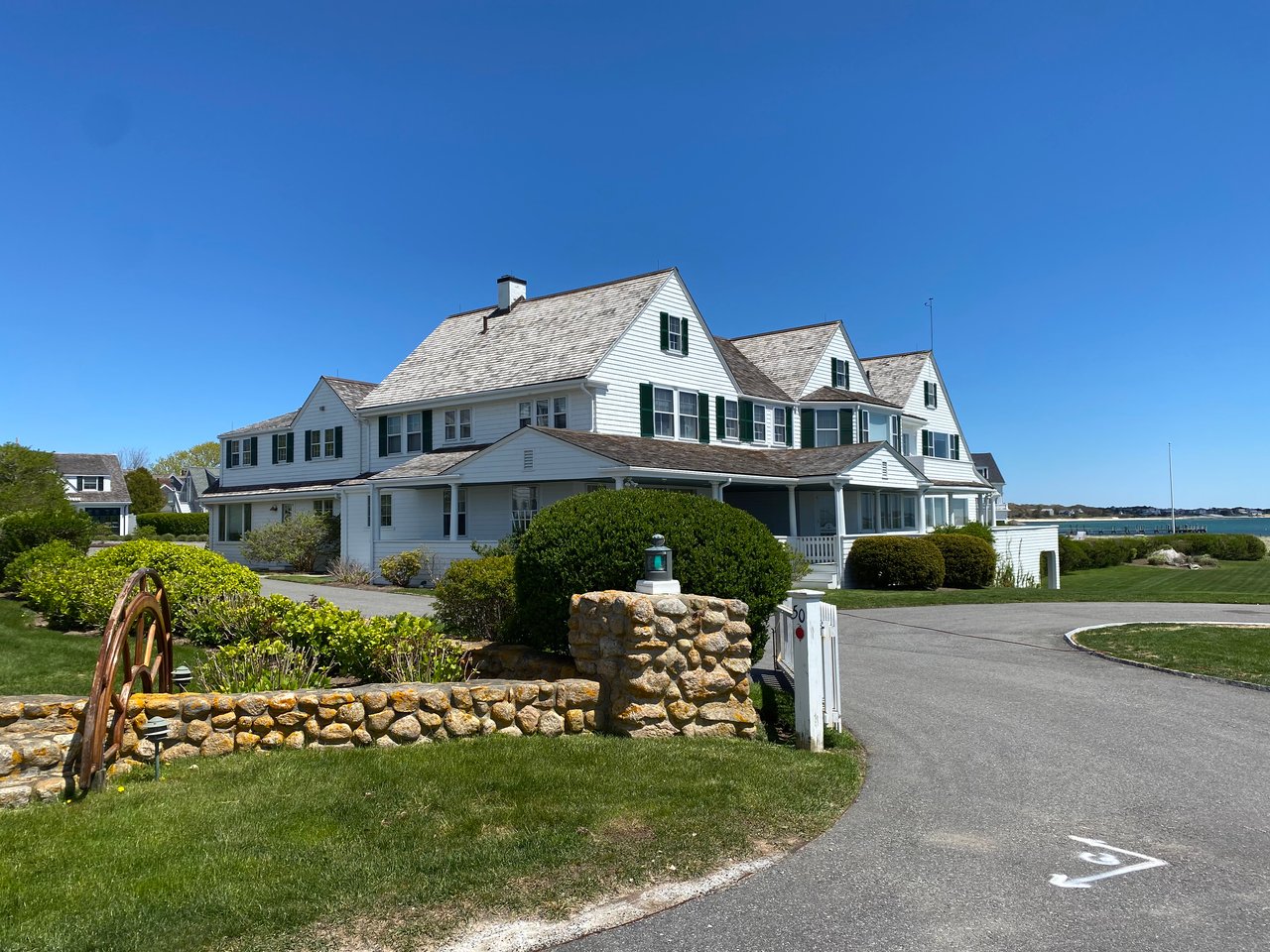
Perhaps no Cape Cod property is more recognizable.
Joseph P. Kennedy Sr. purchased the family's first Hyannis Port property in 1928, and the compound eventually grew into a collection of three homes associated with Joseph and Rose Kennedy, John F. Kennedy and Robert F. Kennedy.
JFK's summers in Hyannis Port became an important part of his personal and political story.
The property remains privately held and is not a conventional tourist attraction, but its significance is documented in the National Register of Historic Places.
Why it matters: It is arguably Cape Cod's most recognizable example of a private family compound becoming part of American history.
2. Taylor Swift's Former Hyannis Port Home
Taylor Swift's former Cape Cod house gained international attention after the singer purchased it in 2012.
The oceanfront property sat directly across from the Kennedy Compound and reportedly sold for approximately $5.7 million after Swift's brief ownership.
When the property returned to the market in 2025, it was listed for nearly $15 million, with approximately 200 feet of waterfront and 1.1 acres.
Why it matters: Few Cape Cod homes combine celebrity history, waterfront land and proximity to one of America's most famous family properties.
3. The Edward Gorey House — Yarmouth Port
Edward Gorey's home is one of the most distinctive historic properties on Cape Cod.
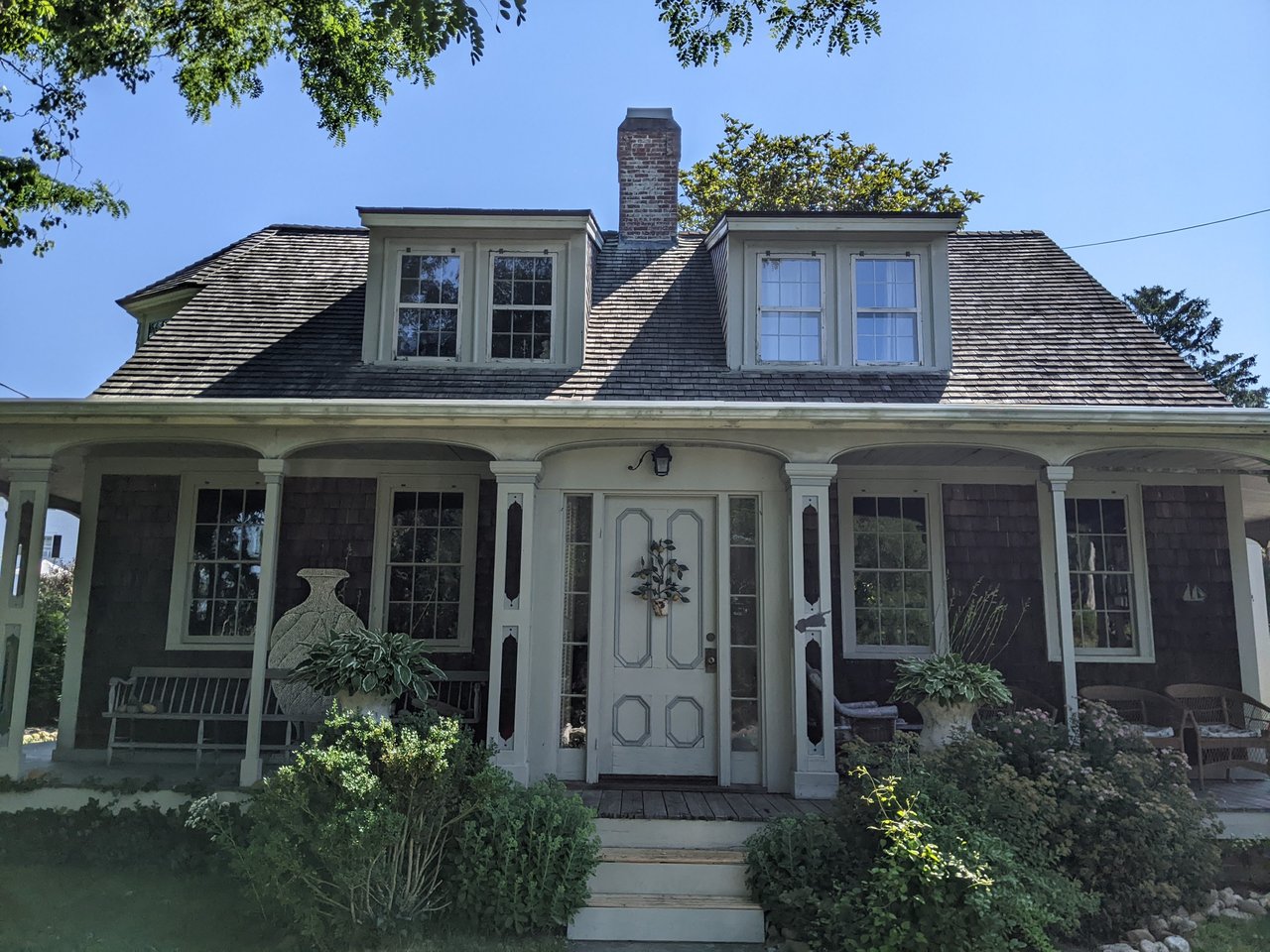
Gorey purchased the approximately 200-year-old sea captain's home at 8 Strawberry Lane in 1979. After his death in 2000, the property became a museum dedicated to his life and work.
The house itself dates to approximately 1820 and was originally associated with Captain Edmund Hawes.
Today, it sits within Yarmouth Port's remarkable concentration of historic architecture.
Why it matters: It connects Cape Cod's sea-captain architecture with one of America's most distinctive literary and artistic figures.
4. Anthony Perkins' Wedding House — Wellfleet
In 1973, Psycho actor Anthony Perkins married Berry Berenson at a home in Wellfleet.
The property returned to the real-estate market in 2026 for approximately $3.35 million.
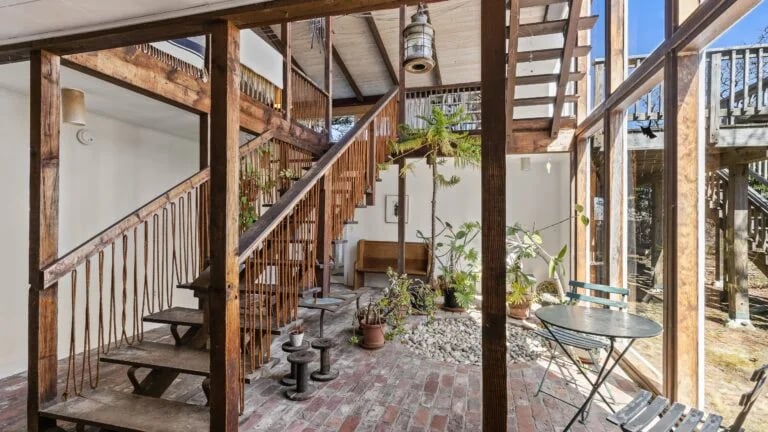
The mid-century modern home sits along the Cape Cod National Seashore and includes a separate studio. Boston.com reported that the property has connections to Perkins' family and that his wedding took place there in 1973.
Why it matters: It is an unusual intersection of Hollywood history, mid-century architecture and Outer Cape landscape.
5. Edward Hopper's South Truro Studio House
The Outer Cape has long attracted artists, and few are more closely associated with Truro than Edward Hopper.
Hopper and his wife, Josephine Nivison, first rented a cottage in South Truro in 1930. By 1934, they had built a studio house there, spending much of their summers on Cape Cod.
The landscape became an important part of Hopper's work.
His Cape paintings remain among the best-known artistic interpretations of the region.
Why it matters: Hopper's relationship with Truro shows how the Cape's light, landscape and architecture have influenced American art.
6. Crosby Mansion — Brewster
Not every famous Cape Cod house needs a celebrity owner.
Crosby Mansion in Brewster is famous for the sheer ambition of its architecture.
Completed in 1888, the mansion was built by Albert and Matilda Crosby and became one of the most extraordinary private residences on Cape Cod. The Town of Brewster notes that it was the largest private home on Cape Cod when it was built.
The mansion incorporates European influences, elaborate interiors and expansive views toward Cape Cod Bay.
Why it matters: Crosby Mansion captures the Gilded Age side of Cape Cod—a dramatic contrast to the understated shingle-style homes more commonly associated with the region.
7. The Penniman House — Eastham
Captain Edward Penniman's home in Eastham tells another side of Cape Cod history.
Completed in 1868, the house was designed in the French Second Empire style and built while Penniman continued his career as a whaling captain.
The house included remarkably advanced features for its era, including indoor plumbing.
The National Park Service now manages the property as part of Cape Cod National Seashore.
Why it matters: The Penniman House connects Cape Cod real estate to the region's whaling and maritime economy.
8. Captain Bangs Hallet House — Yarmouth Port
Yarmouth Port's Captain Bangs Hallet House provides an intimate look at the life of a nineteenth-century sea captain.
The Historical Society of Old Yarmouth describes it as the only furnished sea captain's home on Cape Cod regularly open to the public.
Its interiors include objects brought back from overseas voyages, including porcelain, textiles and other furnishings.
Why it matters: It helps explain why Yarmouth Port is one of Cape Cod's most architecturally significant villages.
9. The Atwood-Higgins House — Wellfleet
The Atwood-Higgins House is one of the Cape's oldest surviving houses.
The National Park Service dates the oldest portion of the house to approximately 1730. In the twentieth century, George Higgins inherited the property and spent decades restoring it and building a larger historic-inspired compound around it.
The property eventually became part of Cape Cod National Seashore.
Why it matters: It demonstrates how preservation can become part of the story of a property itself.
10. The Historic Sea Captain Homes of Yarmouth Port
Rather than a single property, this final entry represents an entire collection of homes.
Yarmouth Port's famous Captain's Mile contains more than 50 former sea captains' homes along Route 6A and the surrounding village.
It is one of the clearest examples of how a concentration of historic architecture can define an entire community.
The Cape Cod Commission notes that Route 6A passes through numerous historic districts and contains examples of architectural styles spanning several centuries.
Why it matters: Sometimes the most valuable architectural story isn't one house. It's the preservation of an entire neighborhood.
What These Famous Homes Have in Common
The homes on this list couldn't be more different.
A presidential compound.
A celebrity waterfront estate.
A sea captain's house.
A mid-century modern retreat.
A Gilded Age mansion.
An artist's studio.
Yet they share several characteristics.
Location
The most memorable properties tend to occupy distinctive landscapes—waterfront, village centers, elevated land or protected coastal areas.
Architecture
Cape Cod's best-known homes often have an unusually strong relationship to their surroundings.
History
A property's story can become part of its value.
Scarcity
Cape Cod has a finite amount of waterfront and historically significant land.
That scarcity helps explain why historic and architecturally distinctive properties continue to command attention.
Guthrie Schofield Group's current luxury market analysis similarly identifies limited coastal supply and protected land as important characteristics of Cape Cod's high-end market.
The Real Lesson Behind Cape Cod's Famous Homes
The common thread isn't celebrity.
It's place.
The people who made these homes famous were attracted to Cape Cod because the Cape already offered something special: water, landscape, privacy, community, architecture and a sense of escape.
That is still what brings buyers here today.