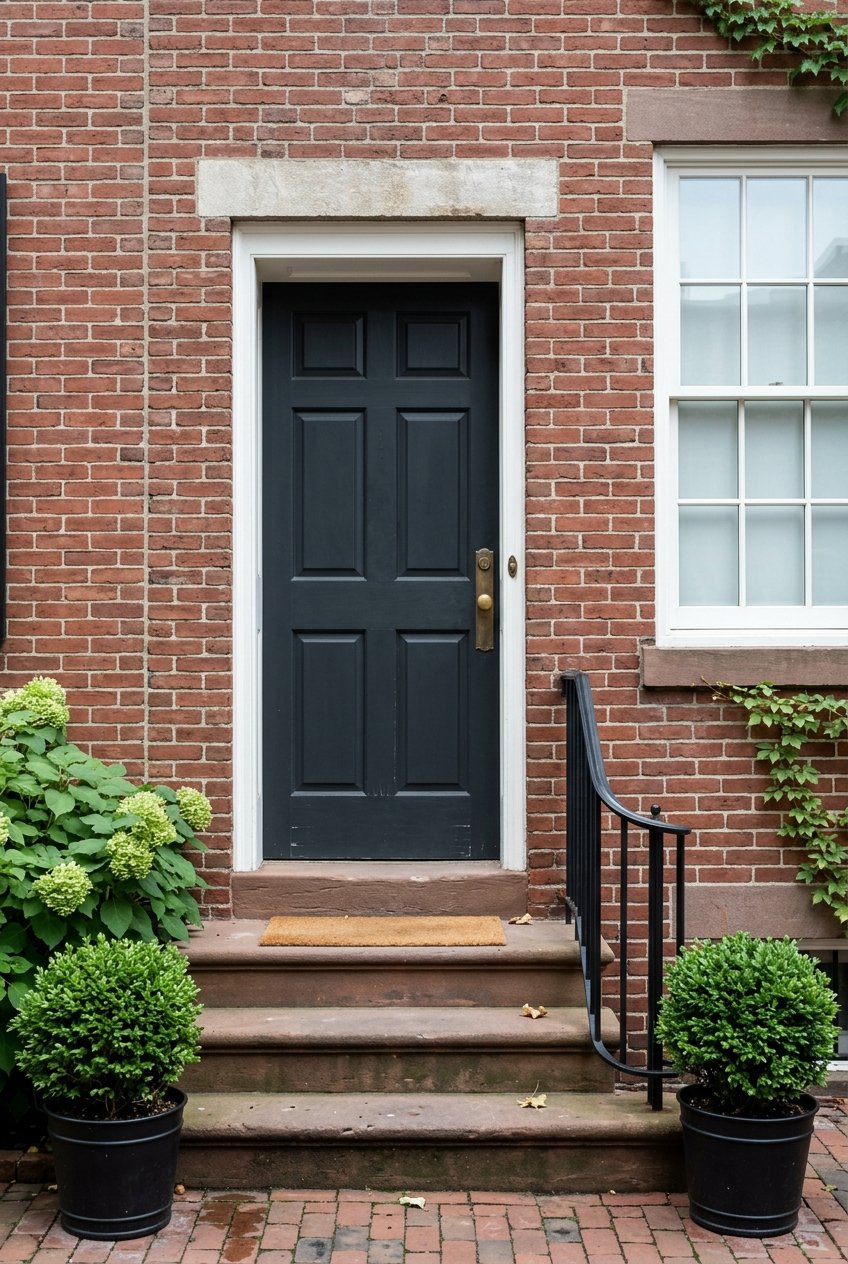
Thinking about keeping your South End home while adding a place on Cape Cod? It sounds simple on the surface, but it is really a decision across two very different markets with different property types, ownership rules, costs, and day-to-day rhythms. If you want to make a smart move without surprises, it helps to understand how these markets differ and what that means for your budget, financing, and lifestyle. Let’s dive in.
Why This Is a Two-Market Decision
Owning in Boston’s South End is not the same as owning on Cape Cod. The South End is a dense landmark district known for its Victorian brownstones, and Boston Planning’s 2025 profile shows a housing mix that leans heavily toward smaller homes. The neighborhood has 19,214 housing units, with 61.2% renter-occupied units, and nearly half of all units have 0 to 1 bedrooms.
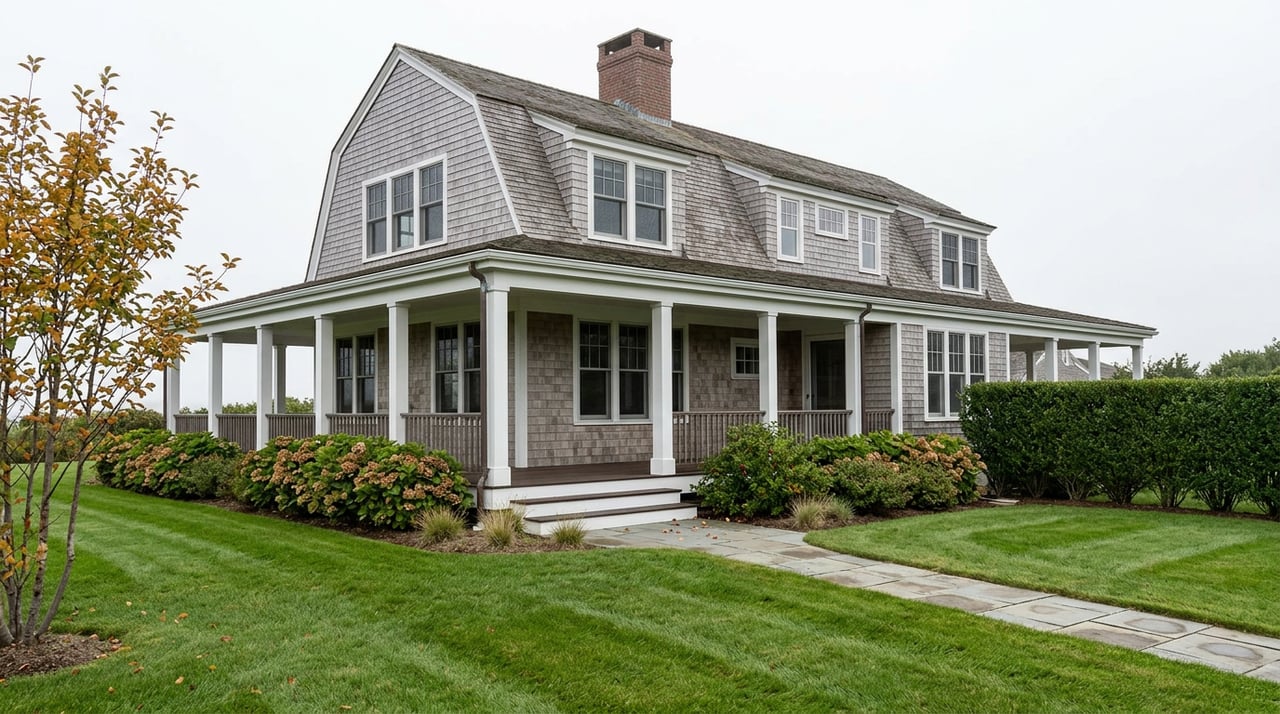
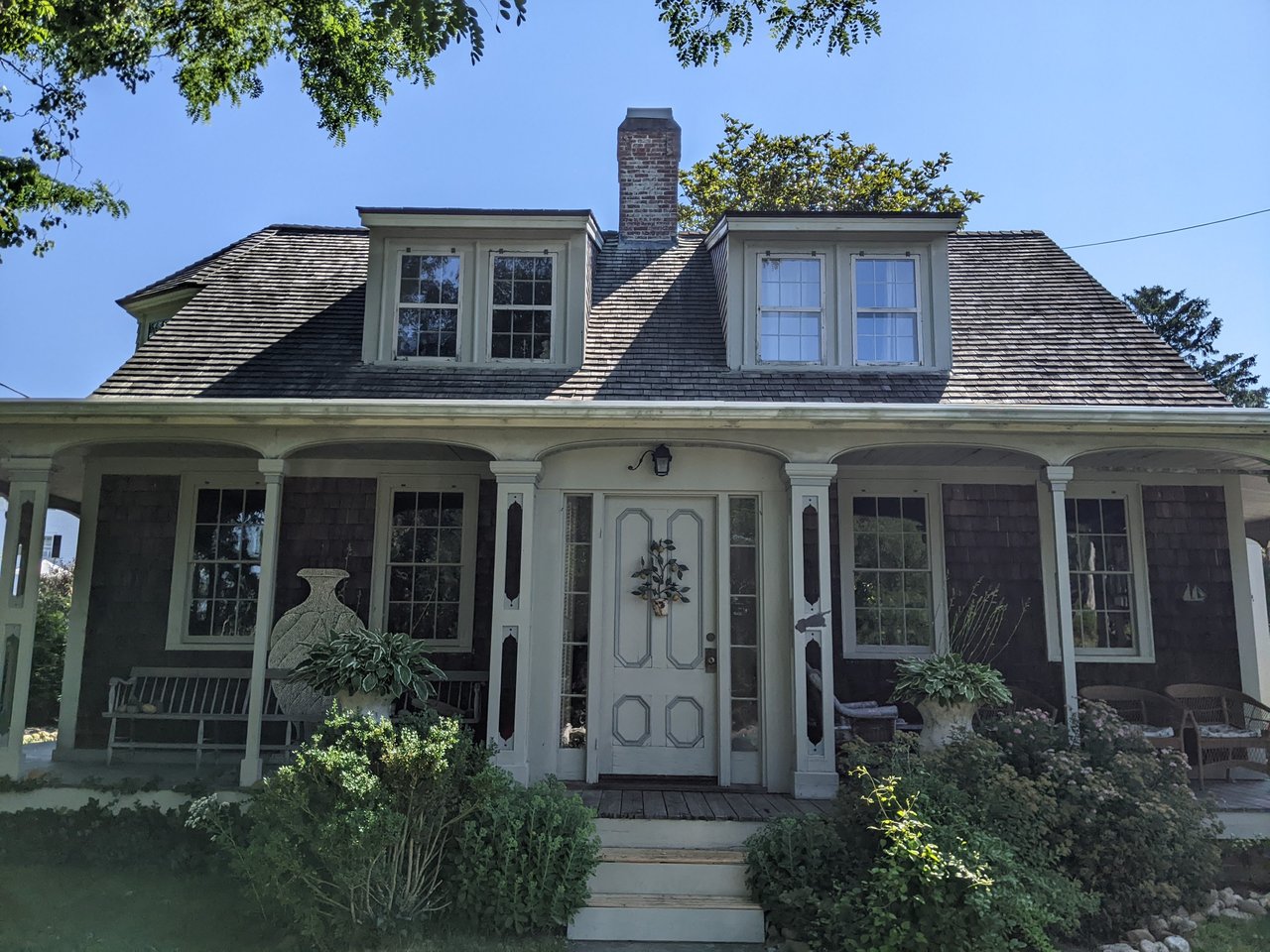
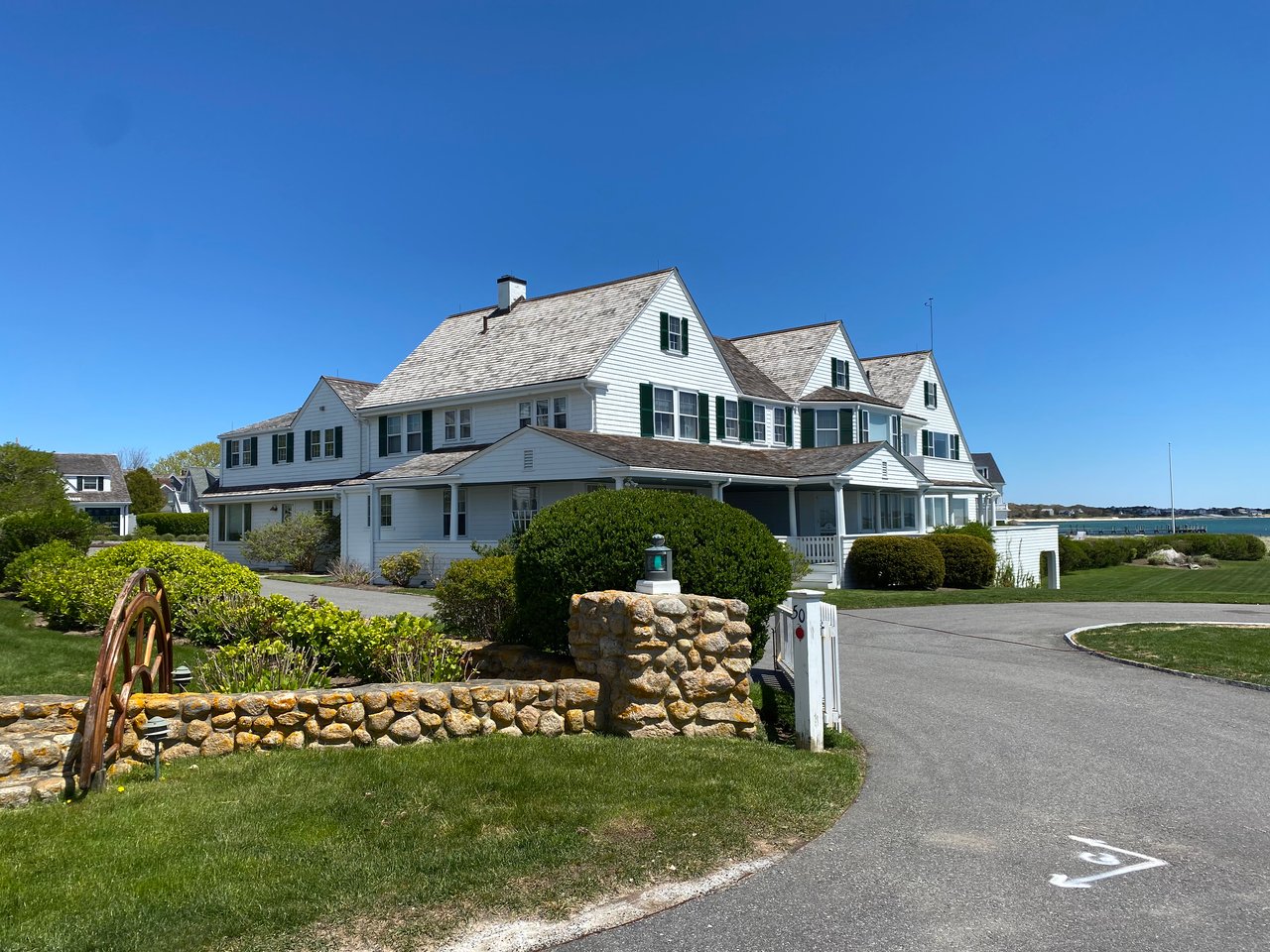
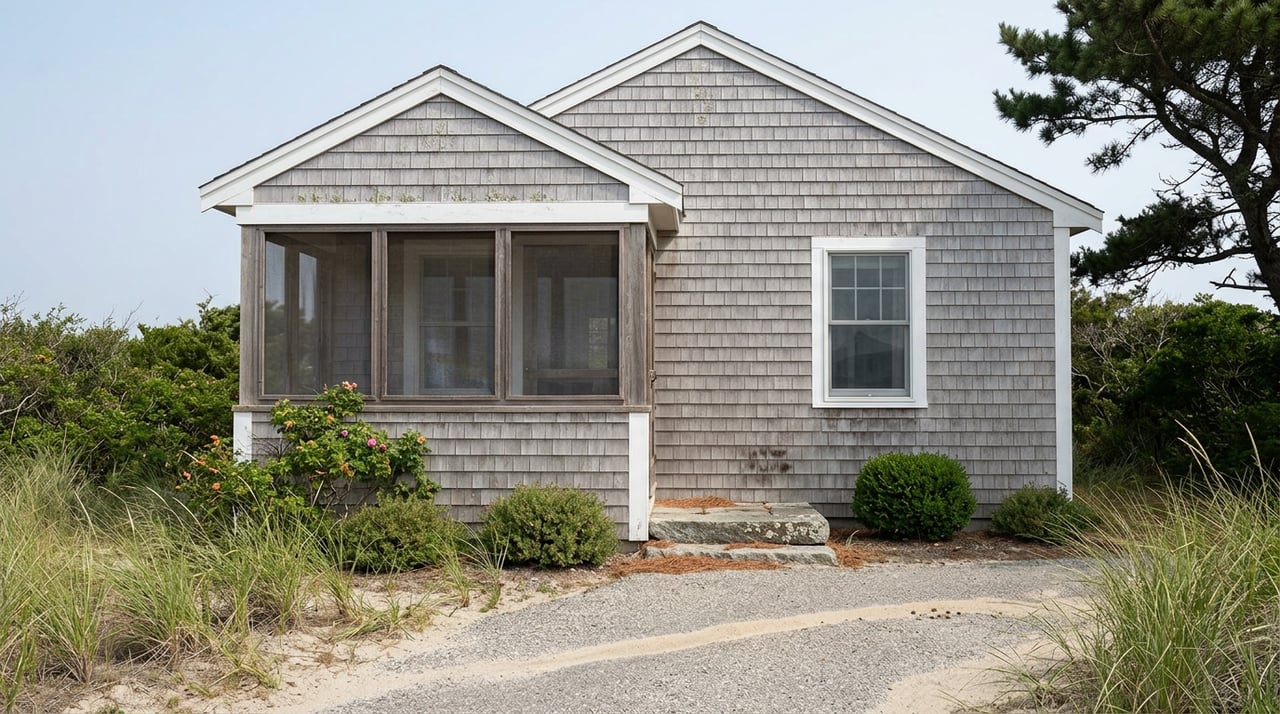
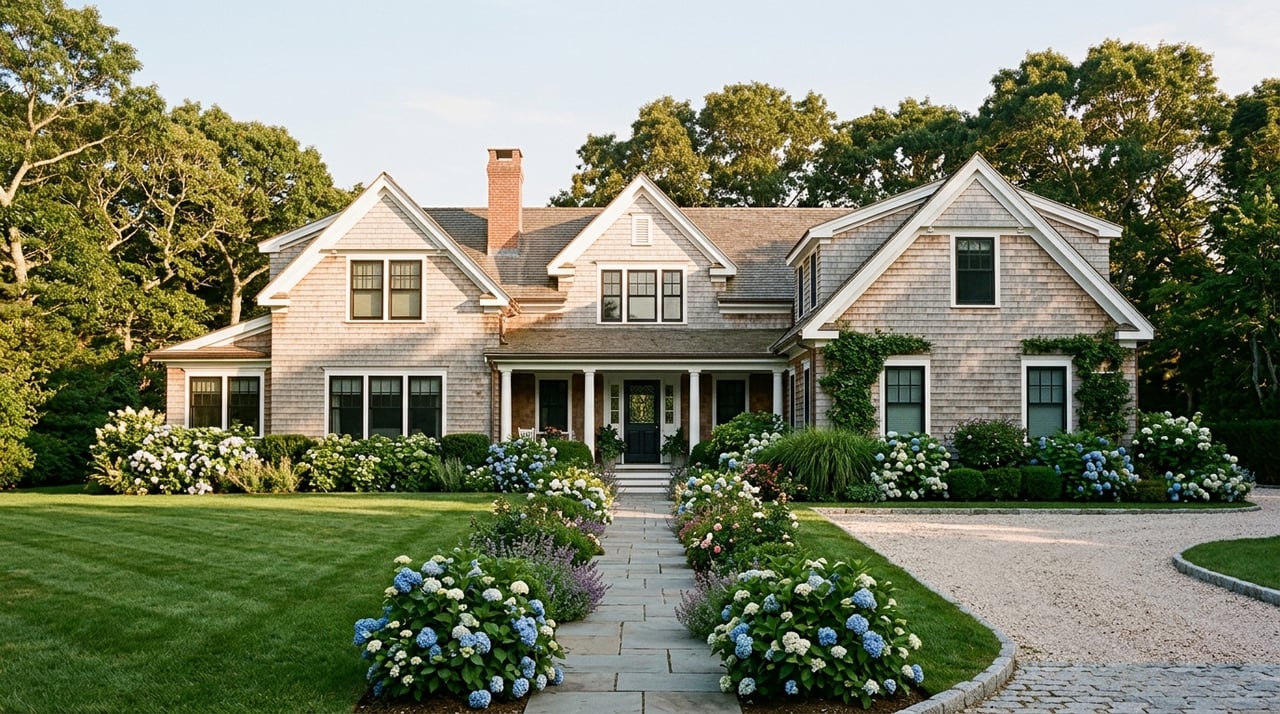
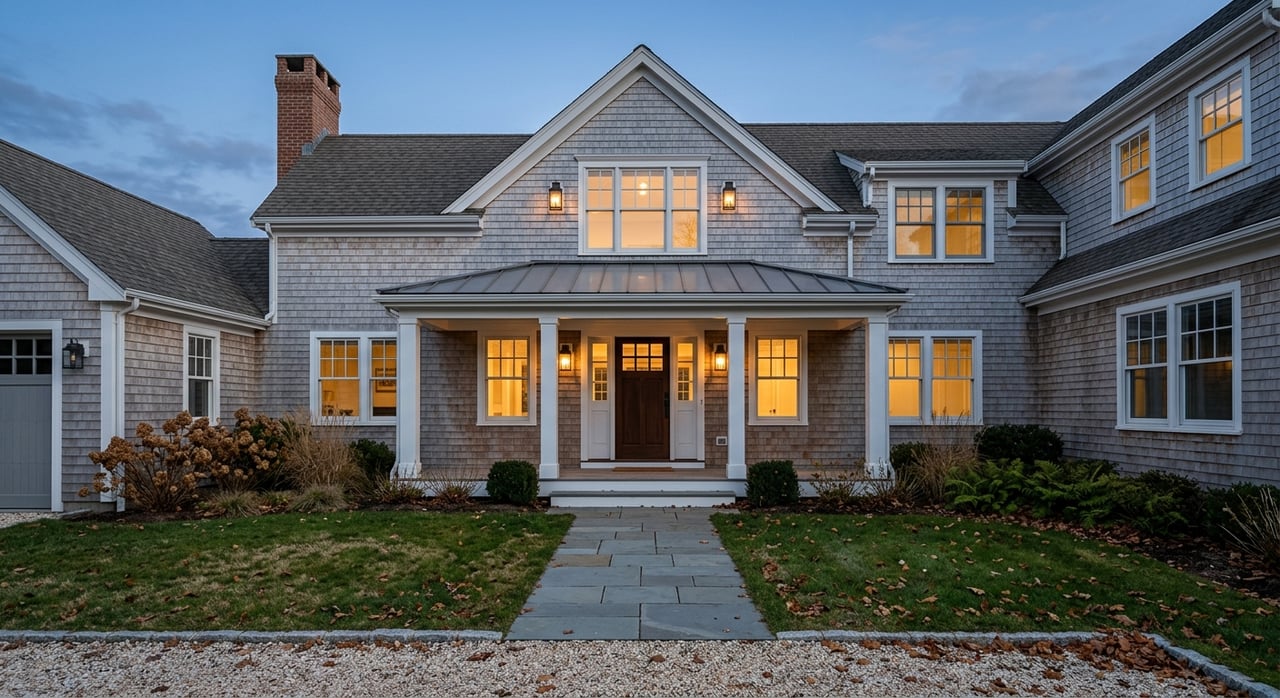
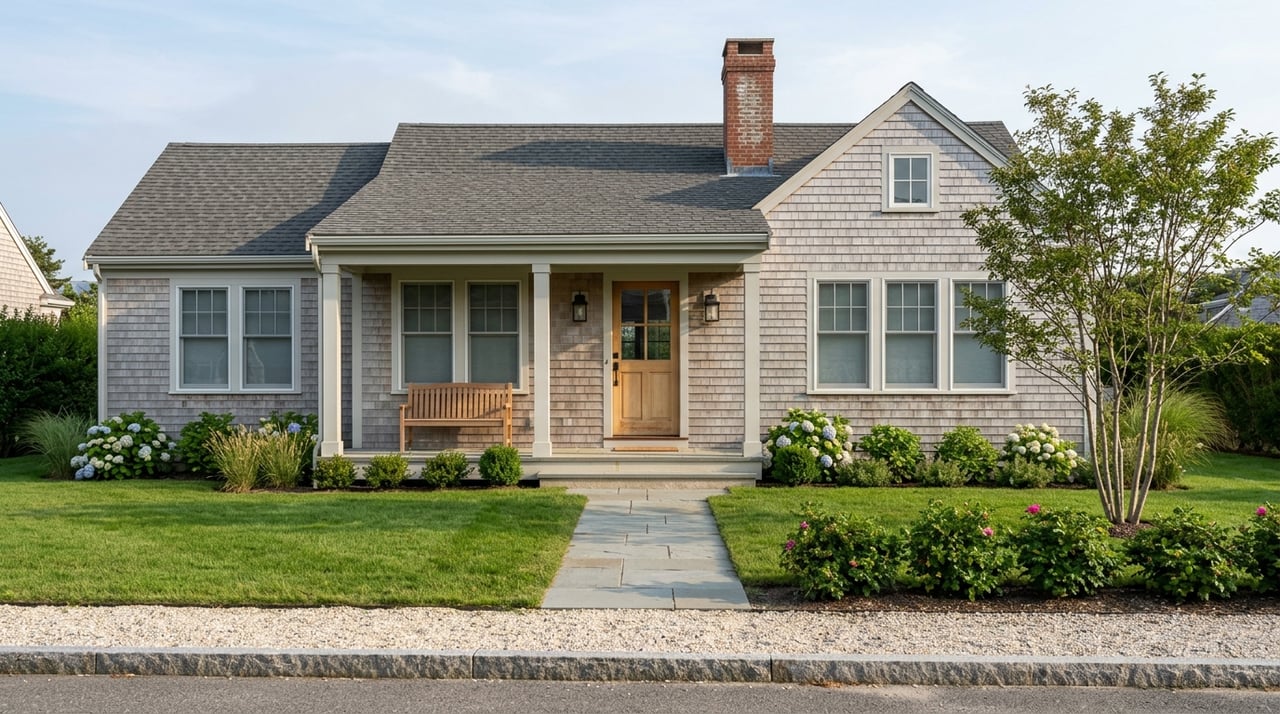
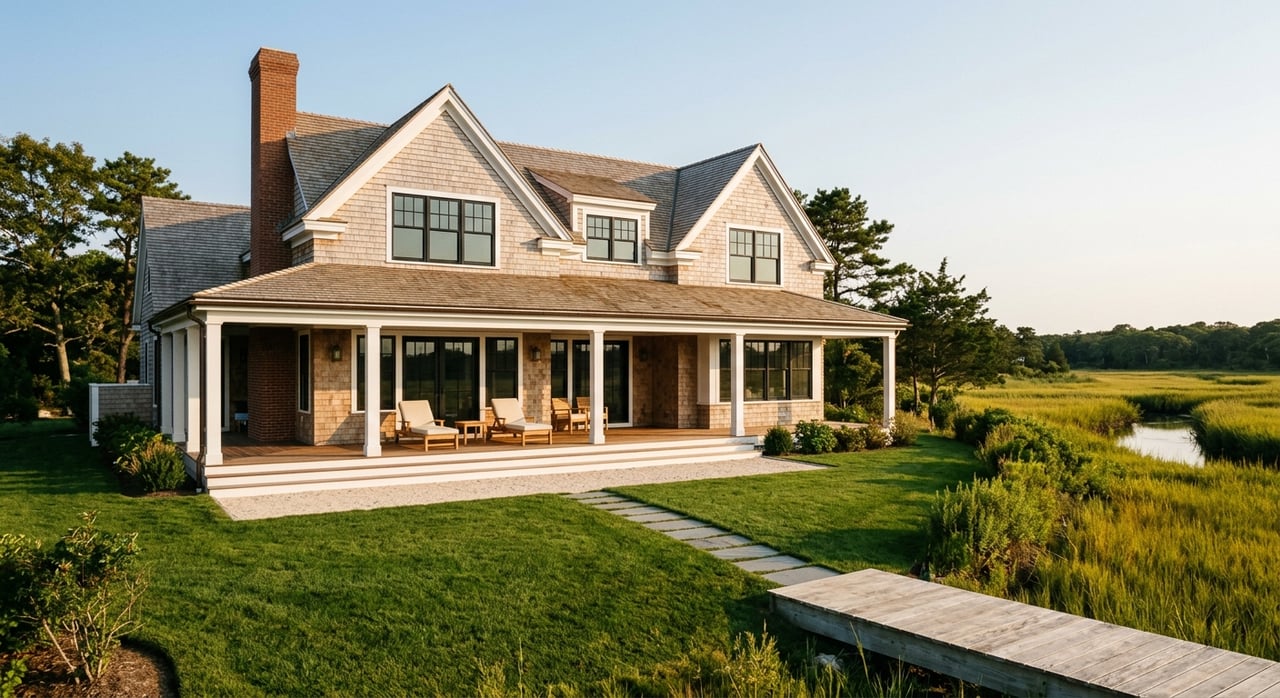
Cape Cod presents a very different housing picture. According to the Cape Cod Commission, about 80% of the region’s existing housing stock is detached single-family homes. The same regional housing strategy notes that only 2% of the land area is zoned by right for housing with more than two units, which helps explain why the market often feels more house-oriented and land-sensitive.
That contrast matters because you are not just comparing addresses. You are comparing an urban ownership model built around density and shared structures with a coastal ownership model that often involves more land, more privacy, and more standalone responsibility.
South End Ownership Looks Different
In the South End, many buyers are looking at condos within brownstones rather than detached homes. That means your ownership experience often includes not only your unit, but also shared building decisions, common-area responsibilities, and condo governance. Massachusetts notes that condominium ownership can involve meetings, voting, common-area expenses, reserve funds, insurance requirements, and assessments.
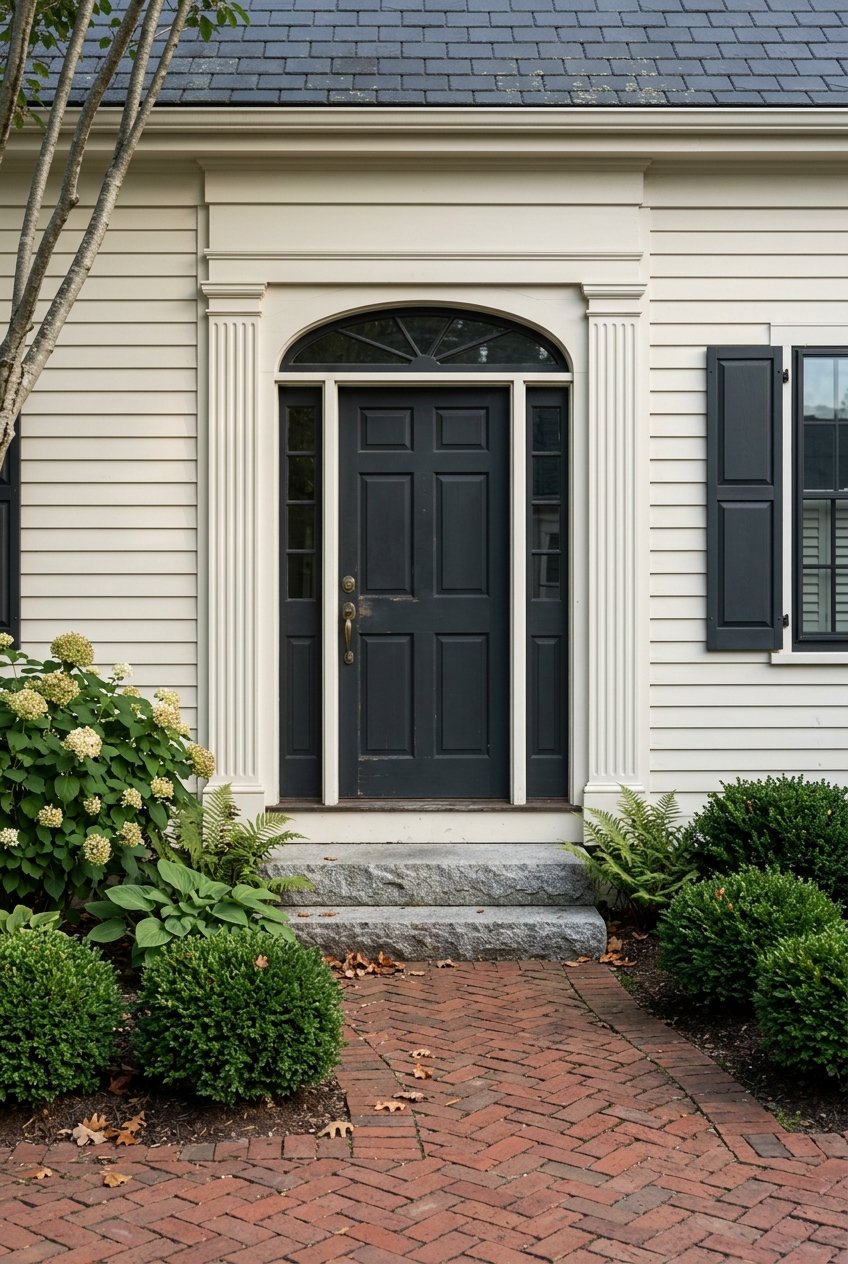
If your property is within the South End Landmark District, exterior changes may involve another layer. Boston states that exterior work affecting front facades, visible rooftops, and some side or rear elevations facing a public way is subject to review, and work should not begin before approval. In practical terms, even a modest exterior update may take more time and planning than it would in a non-landmarked setting.
That does not make South End ownership harder by default. It simply means the process can be more structured, especially if you value the character and architectural continuity that make the neighborhood distinctive.
Cape Cod Ownership Often Means More Control
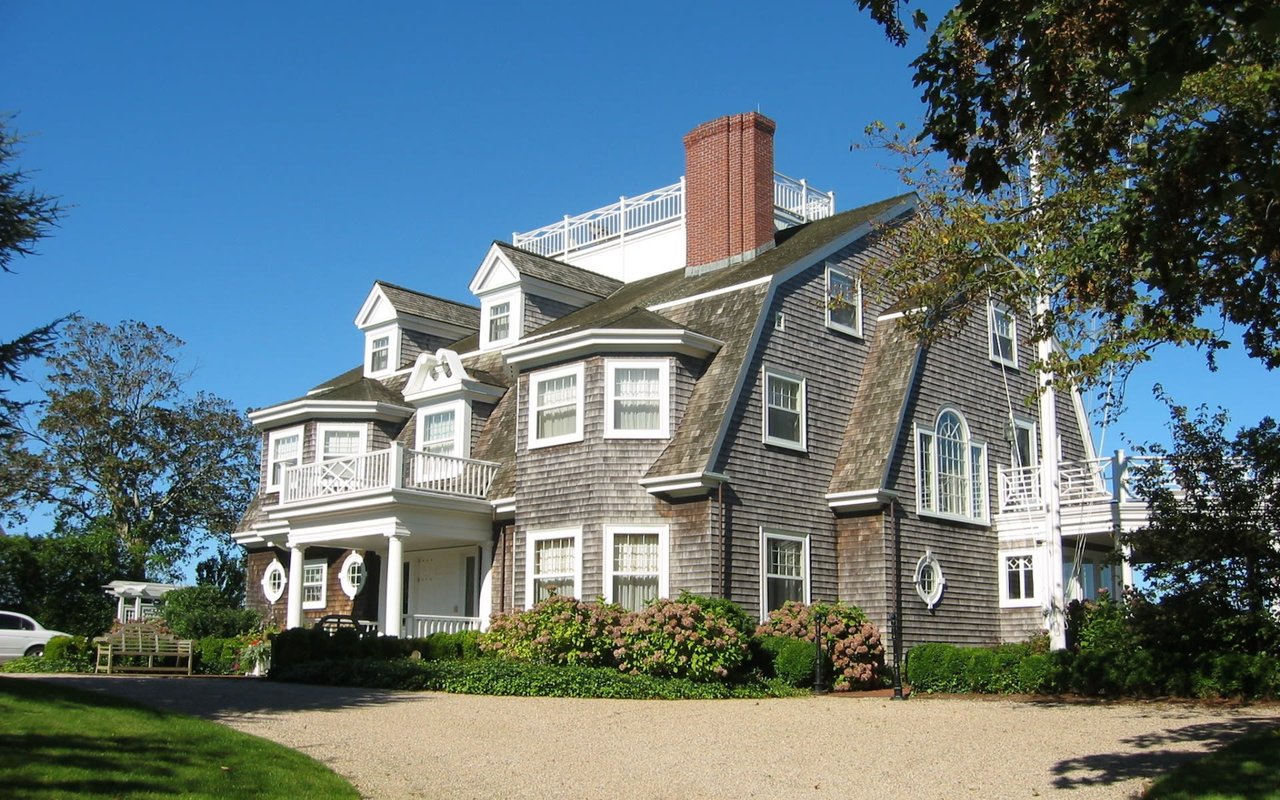
Cape Cod gives many buyers a different type of ownership experience. The Cape Cod Commission’s housing framework includes single-family homes, condos, duplexes, triplexes, apartments, and compounds, including properties with a main house and guest house. Still, detached single-family homes dominate the market.
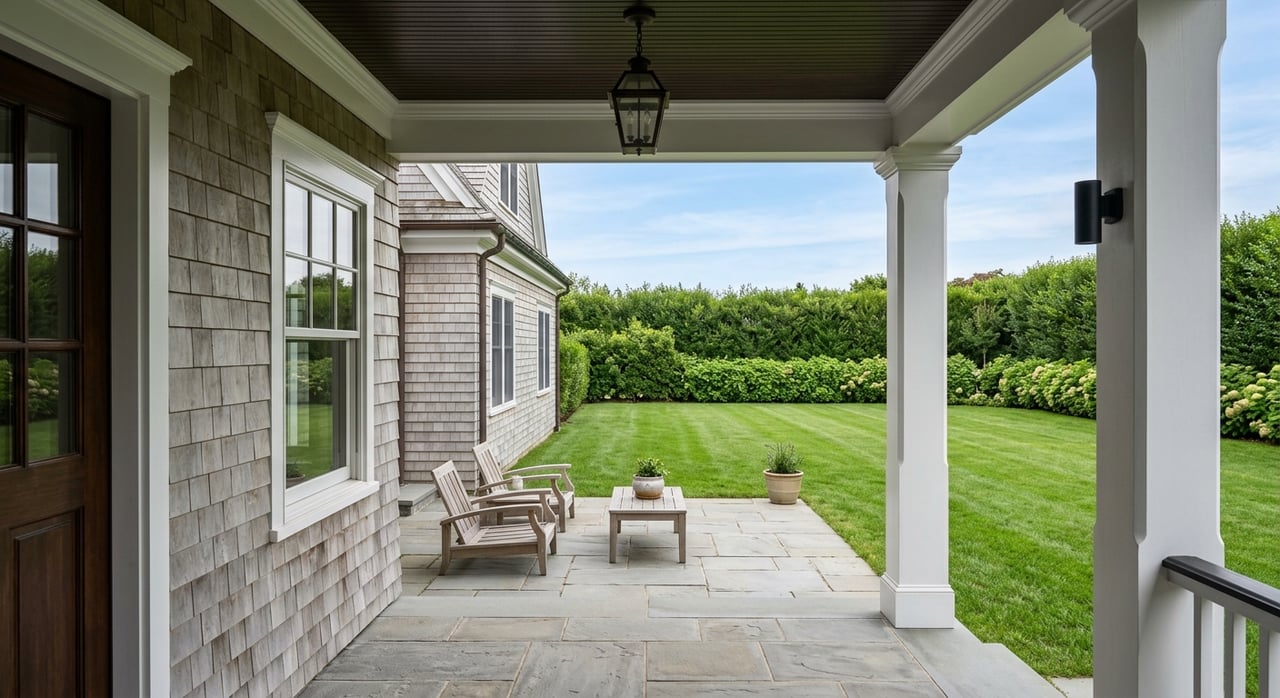
For you, that often means trading condo-style convenience for more direct control over the property. You may gain more privacy, yard space, and flexibility in how you use the home. At the same time, you may also take on a broader maintenance role because there is no shared association structure handling the day-to-day needs of common areas.
This is one reason a South End to Cape purchase is not just a price comparison. It is also a lifestyle and management comparison.
Build Your Budget in Layers
When you are buying in a second market, the total purchase price is only one part of the story. A more useful way to plan is to divide your budget into separate buckets so you can see the full picture clearly.
The CFPB recommends building your purchase budget from available cash after setting aside money for moving costs, renovations, and an emergency cushion of at least three to six months of expenses. It also notes that closing costs typically run about 2% to 5% of the purchase price.
For a South End owner adding a Cape home, your budget often needs at least three layers:
- Down payment funds
- Closing cost funds
- Cash reserves for repairs, updates, or seasonal flexibility
That reserve piece can be especially important if one property is likely to need more upkeep or if you want room to adapt after closing. A two-home plan tends to work best when your budget is designed for real life, not just the offer price.
Understand Second-Home Financing Basics
How you plan to use the Cape property can shape your financing conversation. Fannie Mae states that a second home must be occupied by the borrower for some portion of the year, be a one-unit dwelling, be suitable for year-round occupancy, be under the borrower’s exclusive control, and not function as rental property or a timeshare.
That means a Cape purchase may fit more neatly into second-home financing when it is truly intended for your personal use. If the property is expected to be heavily rental-managed, the financing path may look different.
The key point is simple: your intended use matters early. Before you fall in love with a specific property or financial structure, it helps to make sure your ownership plan and financing approach line up.
Know What Changes With Homestead and Insurance
In a two-home strategy, legal and insurance details can be easy to overlook. In Massachusetts, homestead protection applies only to a principal residence. The Secretary of the Commonwealth explicitly states that it does not cover a vacation home that is not the owner’s primary dwelling.
That is an important distinction if you are used to thinking about your main home’s protections and assuming they carry over. They do not automatically extend to a second property.
Insurance should also be part of the conversation early, especially if your Cape property may later be used as a short-term rental. Massachusetts states that short-term rental properties are subject to specific insurance requirements. Even if rental use is only a future possibility, it is worth planning for that scenario from the start.
Compare Brownstone Condo and Cape House Tradeoffs
A South End brownstone condo and a Cape single-family home can both be compelling, but they ask different things from you as an owner. Seeing those tradeoffs side by side can make the decision easier.
Ownership Factor | South End Brownstone Condo | Cape Cod Single-Family Home |
|---|---|---|
Structure | Shared-ownership setting | Standalone ownership is common |
Maintenance | Shared common-area responsibilities | More direct property responsibility |
Governance | Condo meetings, voting, reserves, assessments may apply | Fewer shared governance layers in many cases |
Renovation process | Landmark review may affect exterior work | Often more direct, depending on property and local rules |
Lifestyle rhythm | Dense, walkable, city-oriented | More space, privacy, and seasonal movement |
Neither option is better across the board. The right fit depends on whether you want simplicity in one area, control in another, or a combination of both across two homes.
Lifestyle Logistics Matter More Than You Think
One of the biggest differences between South End life and Cape life is how you move through your week. Boston Planning’s South End profile shows that 37.6% of households have no vehicle, 29.6% of resident workers walk to work, and 17.4% use transit. That points to a neighborhood where many daily routines can happen without a car.
Cape Cod operates on a different pattern. The Cape Cod Commission says the region serves 15 towns and that the summer population can rise from about 200,000 year-round residents to about 500,000 during peak season. It also identifies Route 6 and Route 28 as the main corridors and notes that summer weekend congestion is common on Friday afternoons and Saturday mornings for arrivals, and on Sundays for departures.
The bridge factor adds another layer. The Cape Cod Bridges Program page notes that the Bourne and Sagamore bridges are the only vehicular connection to and from Cape Cod, and bridge replacement planning is ongoing. If you are splitting time between Boston and the Cape, your schedule may need to be more intentional than you expect.
Plan for the Real Weekend Rhythm
If you picture spontaneous Friday departures and easy Sunday returns every week, it helps to reality-check that plan. The Cape’s busiest travel windows can shape how often, and how comfortably, you use a second home.
This does not mean dual-market ownership is impractical. It means your best experience may come from planning around traffic patterns, using more flexible departure windows, and choosing a property that fits how often you truly expect to travel.
A home can be a great fit on paper but still feel difficult if the logistics do not match your routine. The more honest you are about how you live, the better your decision usually becomes.
Why One Cross-Market Team Helps
Buying across the South End and Cape Cod means navigating two different ownership systems at once. On one side, you may be weighing condo fees, reserve funds, common-area obligations, and landmark review. On the other, you may be thinking through detached-home upkeep, second-home use, insurance planning, and seasonal travel patterns.
That is where a cross-market team can make the process smoother. Instead of treating each property as a separate decision, the right guidance helps you compare how both homes fit together financially, practically, and as part of your long-term lifestyle.
For many buyers, that clarity is what turns a complicated idea into a workable plan.
If you are considering a move from Boston’s South End to Cape Cod, or you want to keep one home while adding another, working with a team that understands both markets can make the path much more straightforward. Connect with Guthrie Schofield Group for thoughtful guidance across Boston, the South Shore, and Cape Cod.
FAQs
What makes owning in Boston’s South End different from owning on Cape Cod?
- South End ownership often involves condos in dense, shared buildings, while Cape Cod ownership is more commonly centered on detached single-family homes with more direct property responsibility.
What should you budget for when buying a Cape Cod second home?
- Your budget should usually include a down payment, closing costs that often run about 2% to 5% of the purchase price, and separate cash reserves for repairs, updates, moving costs, or seasonal flexibility.
What counts as a second home for financing on Cape Cod?
- Fannie Mae says a second home must be a one-unit property occupied by the borrower for part of the year, suitable for year-round use, under the borrower’s exclusive control, and not used as rental property or a timeshare.
How does Massachusetts homestead protection work with a second home?
- Massachusetts homestead protection applies only to a principal residence and does not cover a vacation home that is not your primary dwelling.
What should South End condo buyers know about landmark review?
- In the South End Landmark District, exterior work affecting front facades, visible rooftops, and certain side or rear elevations facing a public way is subject to review and should not begin before approval.
What travel factors should Boston buyers consider before buying on Cape Cod?
- Cape Cod travel often depends on Route 6, Route 28, and the Bourne and Sagamore bridges, with common summer congestion on Friday and Saturday arrivals and Sunday departures.