Looking for Cape Cod without the crowds? Cotuit offers something harder to find and easier to feel: a quiet, water-bound village where daily life moves at a more measured pace. If you are drawn to privacy, shoreline access, historic character, and a social scene that feels local rather than loud, this small Barnstable village deserves a closer look. Here is what a day in Cotuit can reveal about its lifestyle, housing, and appeal. Let’s dive in.
Why Cotuit Feels Different
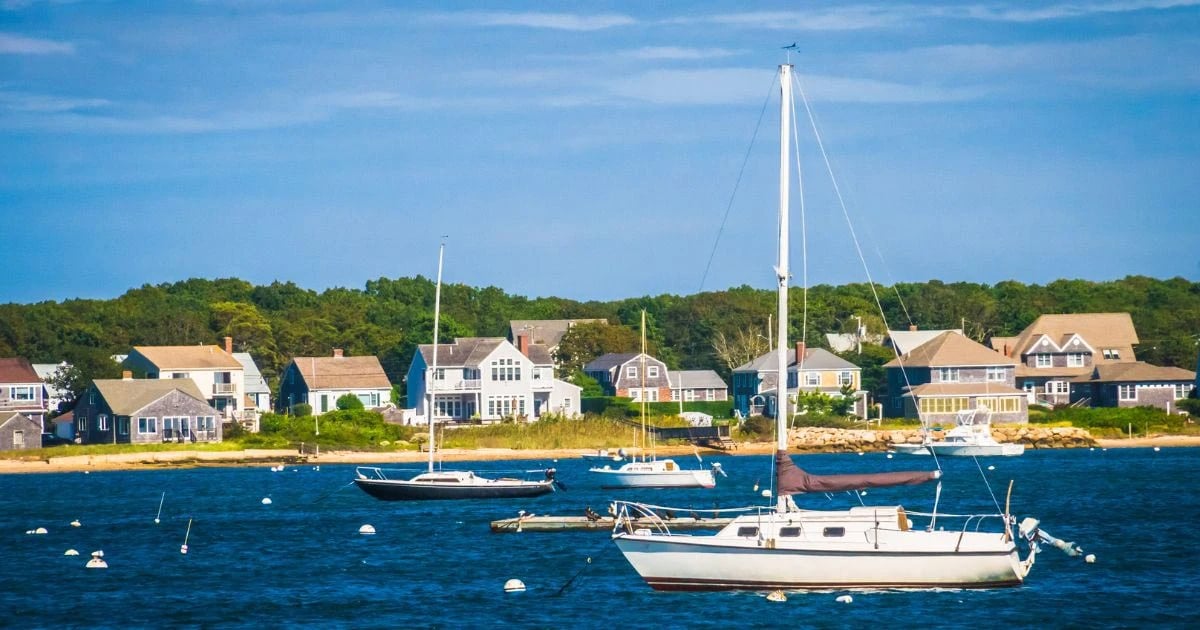
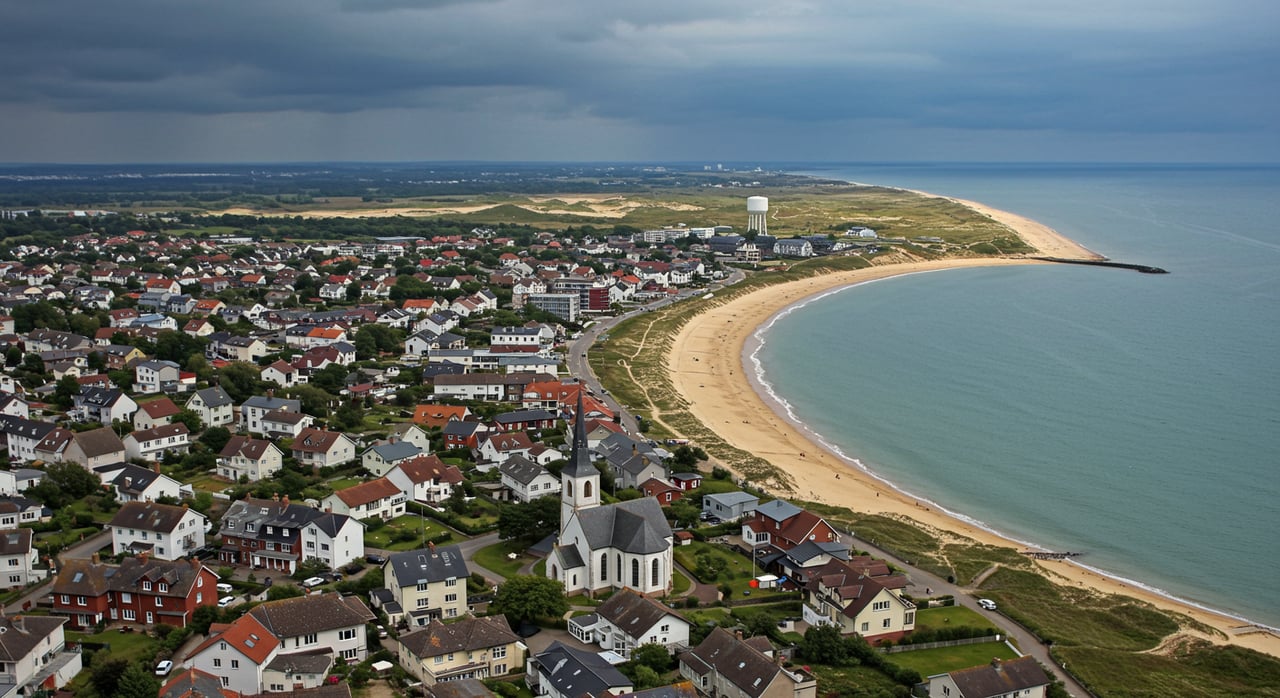
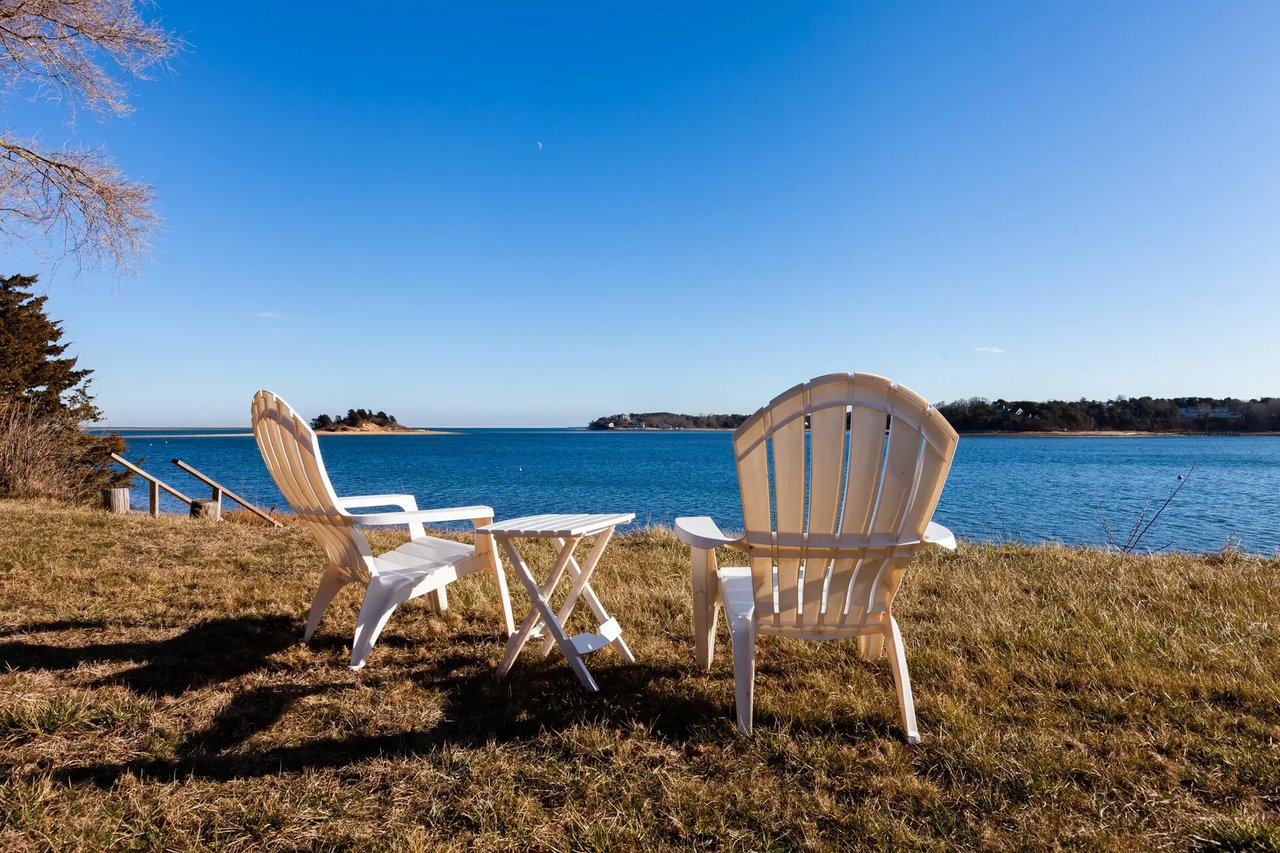
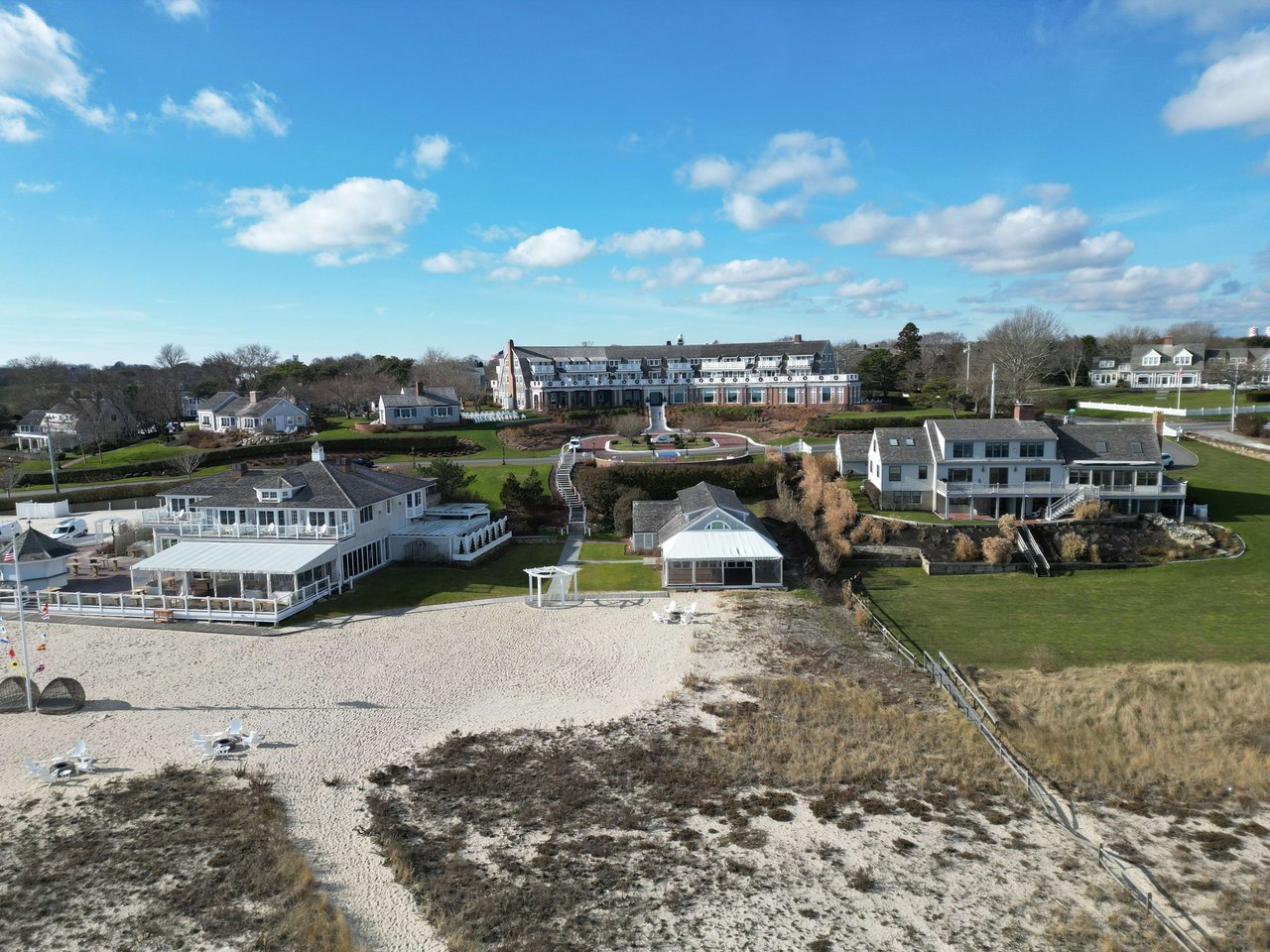
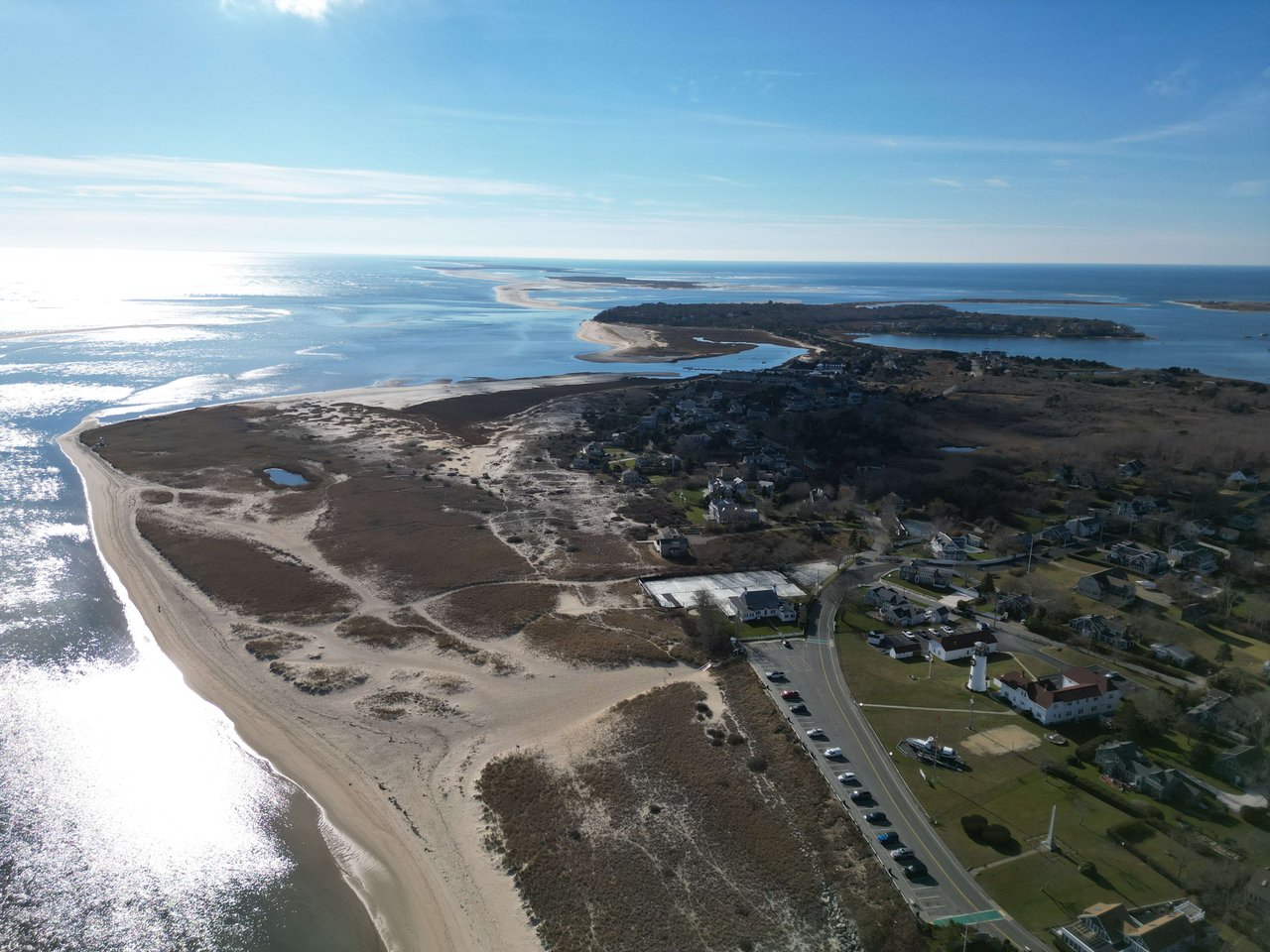
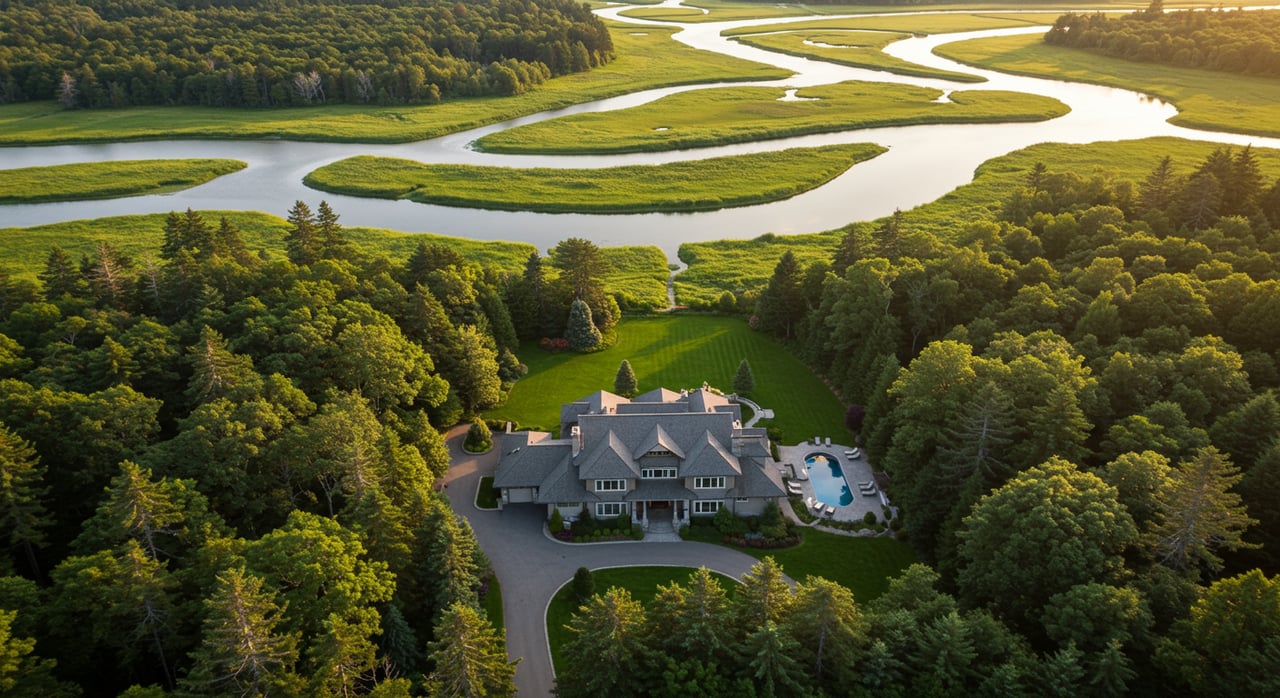
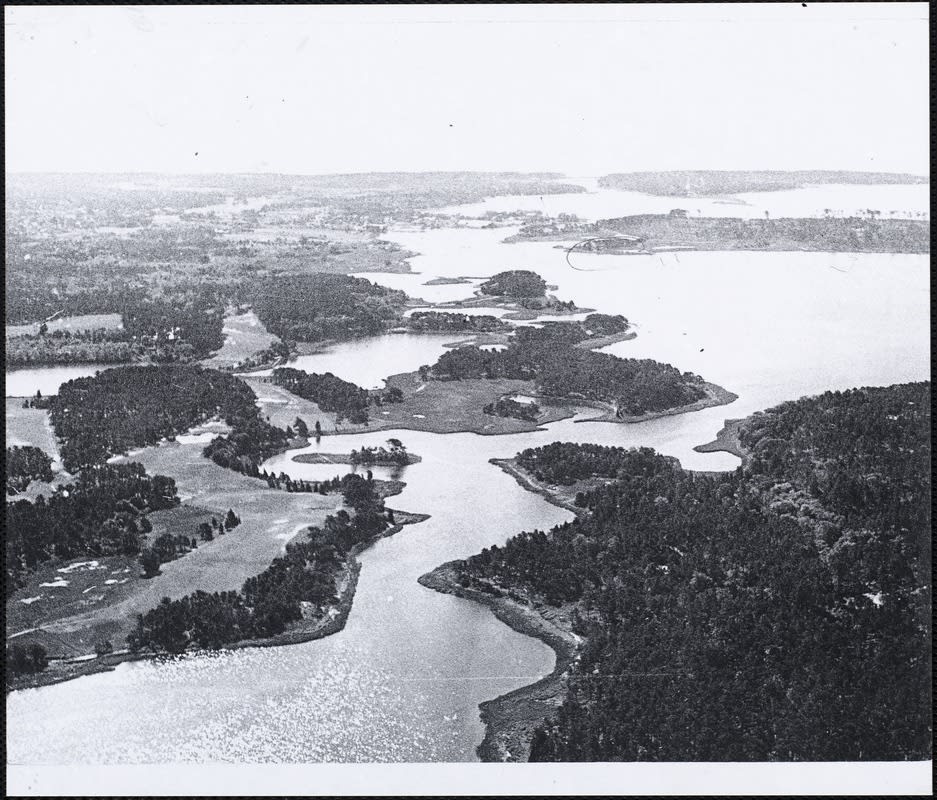
Cotuit sits in the southwestern corner of Barnstable on a narrow neck of land bordered on three sides by water. Town planning documents describe it as one of Barnstable’s smallest villages, with about 5 square miles and roughly 12 miles of coastline. That geography shapes almost everything about the experience of being here.
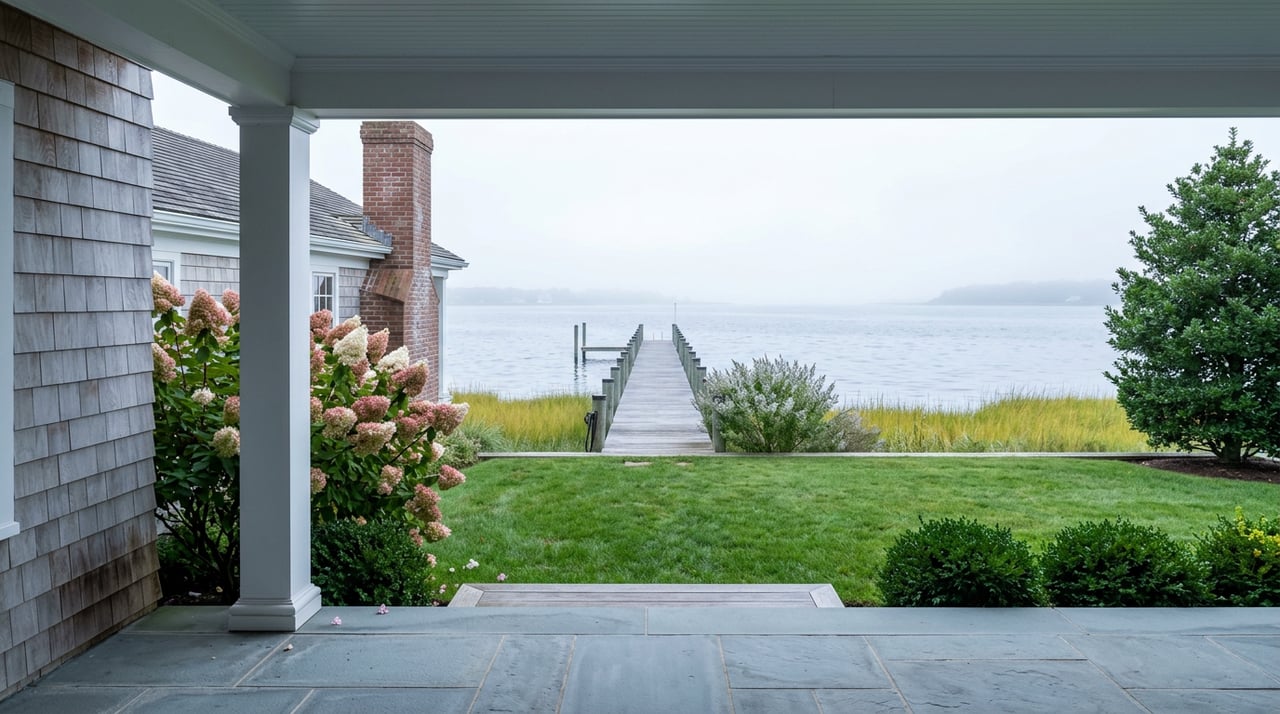
What stands out is not a resort-strip energy. It is the opposite. Cotuit feels low-density, mostly residential, and village-centered, with limited public waterfront frontage and long mooring waitlists in Cotuit Harbor, North Bay, and Shoestring Bay.
That combination helps explain Cotuit’s version of quiet luxury. It is less about being seen and more about access, setting, and ease. You are surrounded by water, but the village still feels tucked away.
A Cotuit Morning Starts at the Water
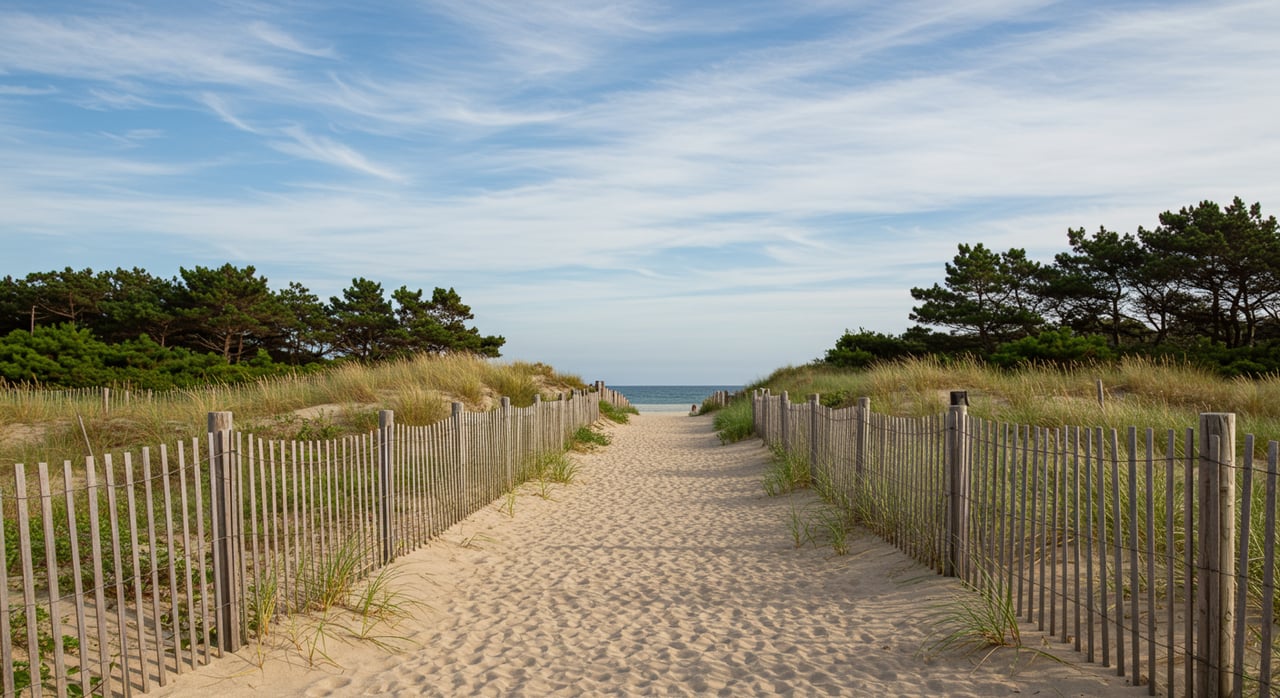
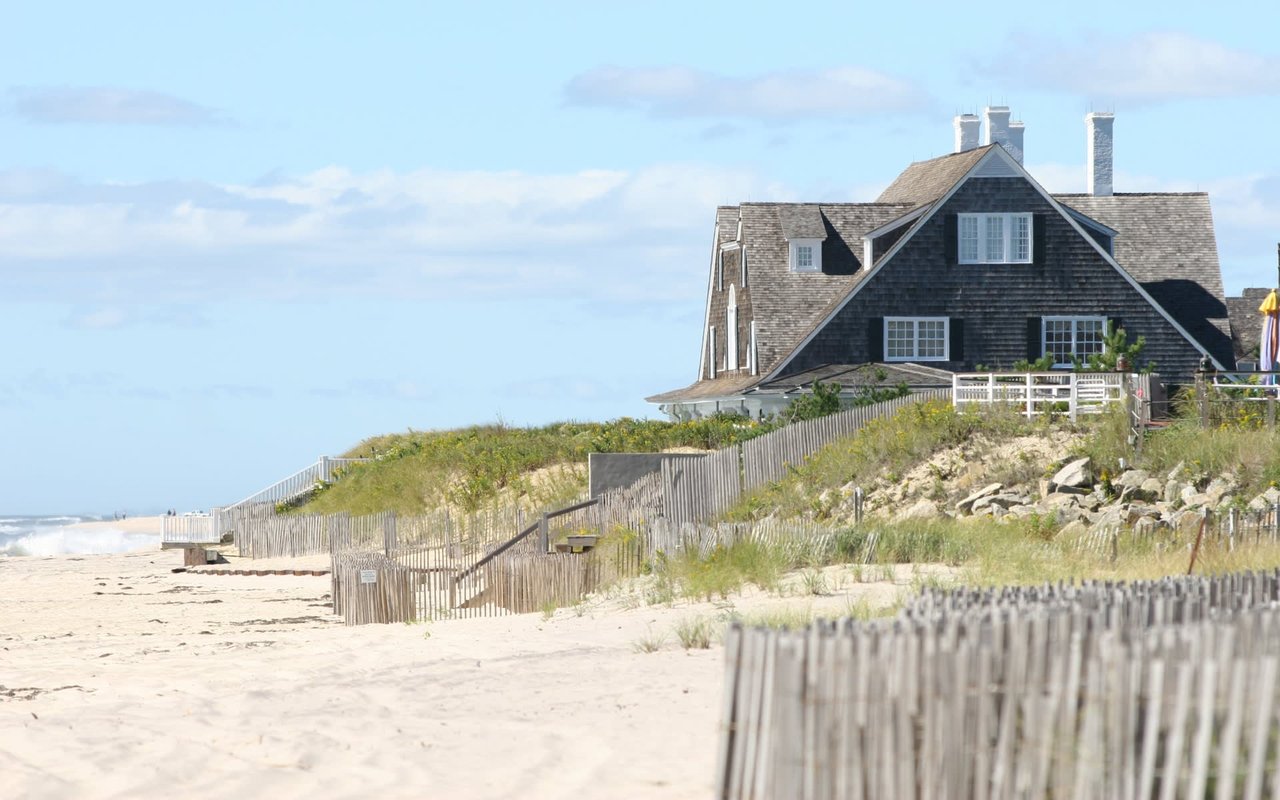
In Cotuit, morning naturally pulls you toward the shoreline. The town’s coastal planning identifies Loop Beach as a public access point with broad ocean views, which makes it a strong place to begin the day. Even a short visit gives you a sense of the village’s calm rhythm.
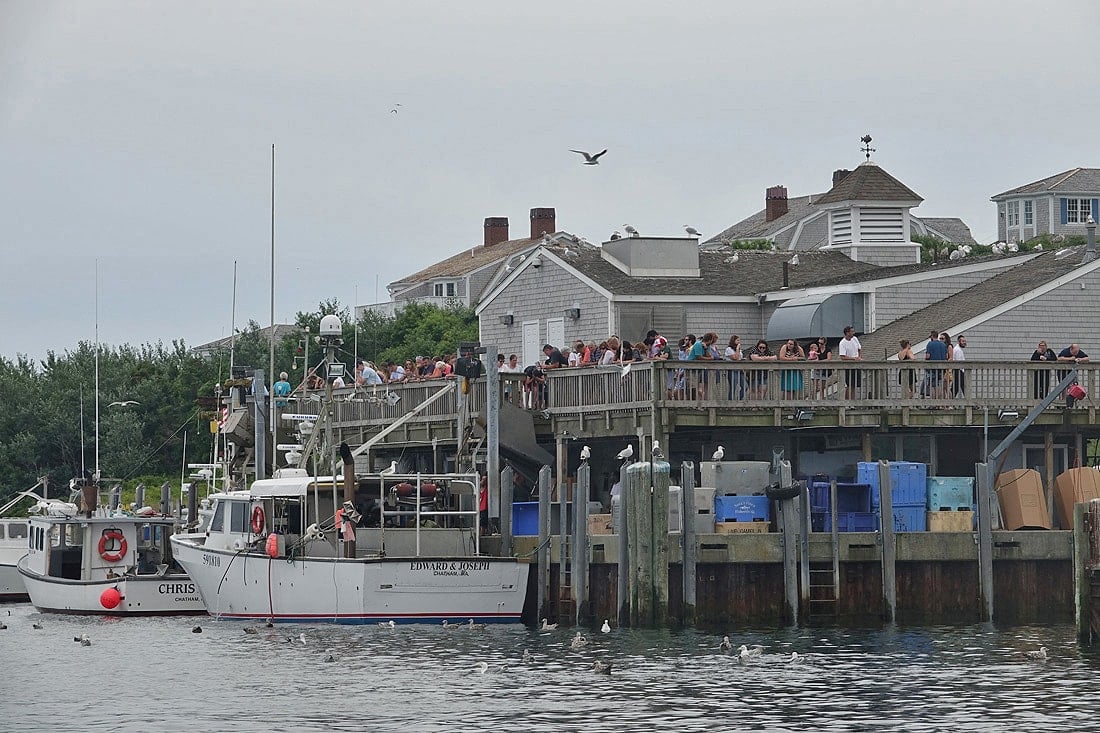
Cotuit Bay is the largest embayment in the Three Bays system, and its navigable channel sees regular use. Planning documents note that the channel is sometimes used as a sailboat racing course, adding another layer to the waterfront scene. You do not need a front-row seat on a dock to notice that boating is part of daily life here.
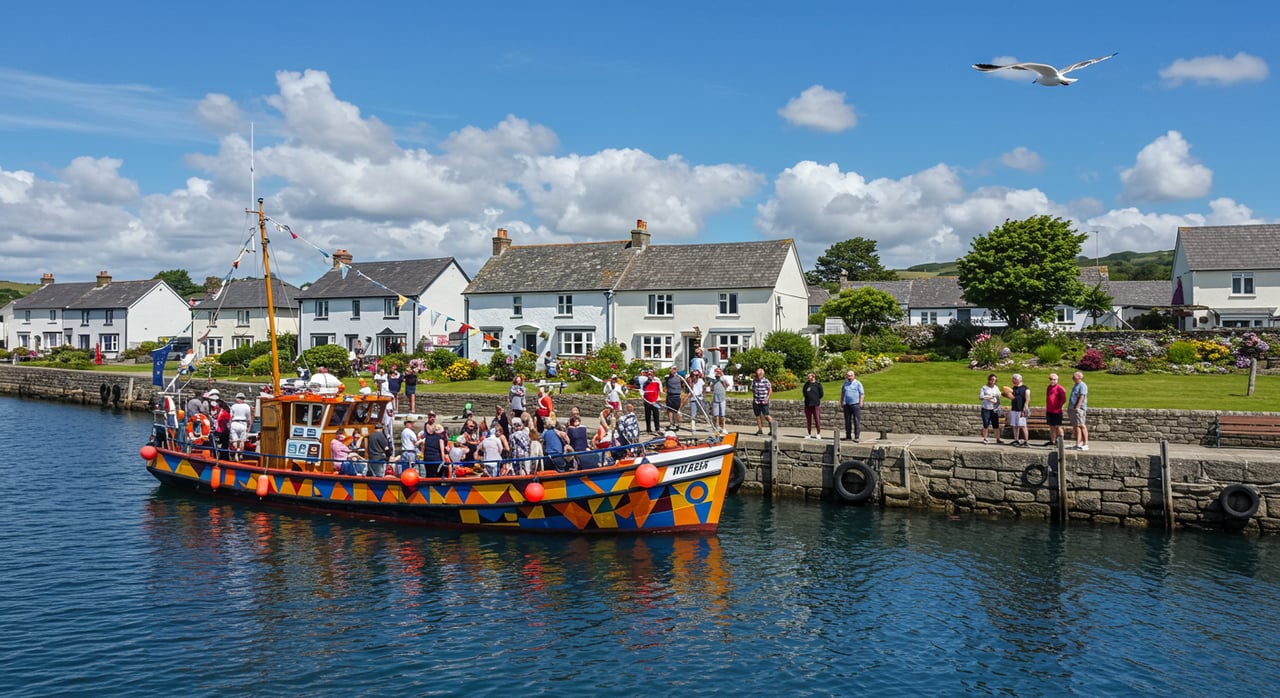
Ropes Beach adds another piece to that routine. A town recreation report describes it as both a neighborhood dinghy and boat launch, and the Mosquito Yacht Club’s Kayaking Crew operates there. That detail matters because it shows how the waterfront in Cotuit is woven into everyday village life, not reserved only for special occasions.
Midday Means Lowell Park
By midday, the social heart of Cotuit often shifts to Lowell Park. In summer, the Cotuit Kettleers play 20 home games there between early June and August. According to the official team site, tickets are not needed to attend, and the park is volunteer-supported and family-friendly.
That matters because it says a lot about the village itself. Cotuit has community anchors that bring people together without changing the low-key tone of the place. Summer baseball becomes one of those simple rituals that feels both memorable and easy.
Town planning documents also describe the Main and School Streets district as laid-back and mostly residential. Community institutions like Lowell Park and the Historical Society help keep the village connected. In Cotuit, social life tends to gather around traditions and local places rather than high-traffic commercial activity.
Evenings Stay Low-Key and Local
If you expect a busy nightlife scene, Cotuit may feel intentionally quiet. The village plan describes the Main and School Street business area as predominantly residential, with only a small number of neighborhood businesses and community uses. Evening here tends to feel local, comfortable, and understated.
For many buyers, that is the appeal. The end of the day in Cotuit is less about chasing reservations and more about enjoying the setting. The village reads as a place where home, harbor, and neighborhood matter most.
Cotuit Center for the Arts adds a year-round cultural layer to that rhythm. The organization offers theater, concerts, classes, film screenings, and special events. That gives the village another kind of social anchor, one built around arts and community rather than volume or spectacle.
Cotuit Is a Village First
One of the clearest things about Cotuit is that it feels like a village first and a destination second. That may sound subtle, but for buyers comparing Cape Cod locations, it can be a major distinction. The atmosphere on Main and School Streets remains primarily residential and low-intensity.
This is part of what gives Cotuit its staying power. There is activity, but not over-programming. There is access, but not endless commercial buildout.
If you want a place that supports a quieter seasonal rhythm, Cotuit stands apart. It offers a sense of retreat while still giving you meaningful public touchpoints like beaches, boating access, baseball, and the arts.
What Quiet Luxury Looks Like Here
Quiet luxury in Cotuit is grounded in facts on the ground. The village has only 3.16 acres spread across its 8 town-owned beaches, landings, and ways to the water. Public water access is meaningful, but limited.
That scarcity shapes value and lifestyle. Water is everywhere in the visual experience of Cotuit, yet direct access points remain selective. Long mooring waitlists add another sign that waterfront use is prized and finite.
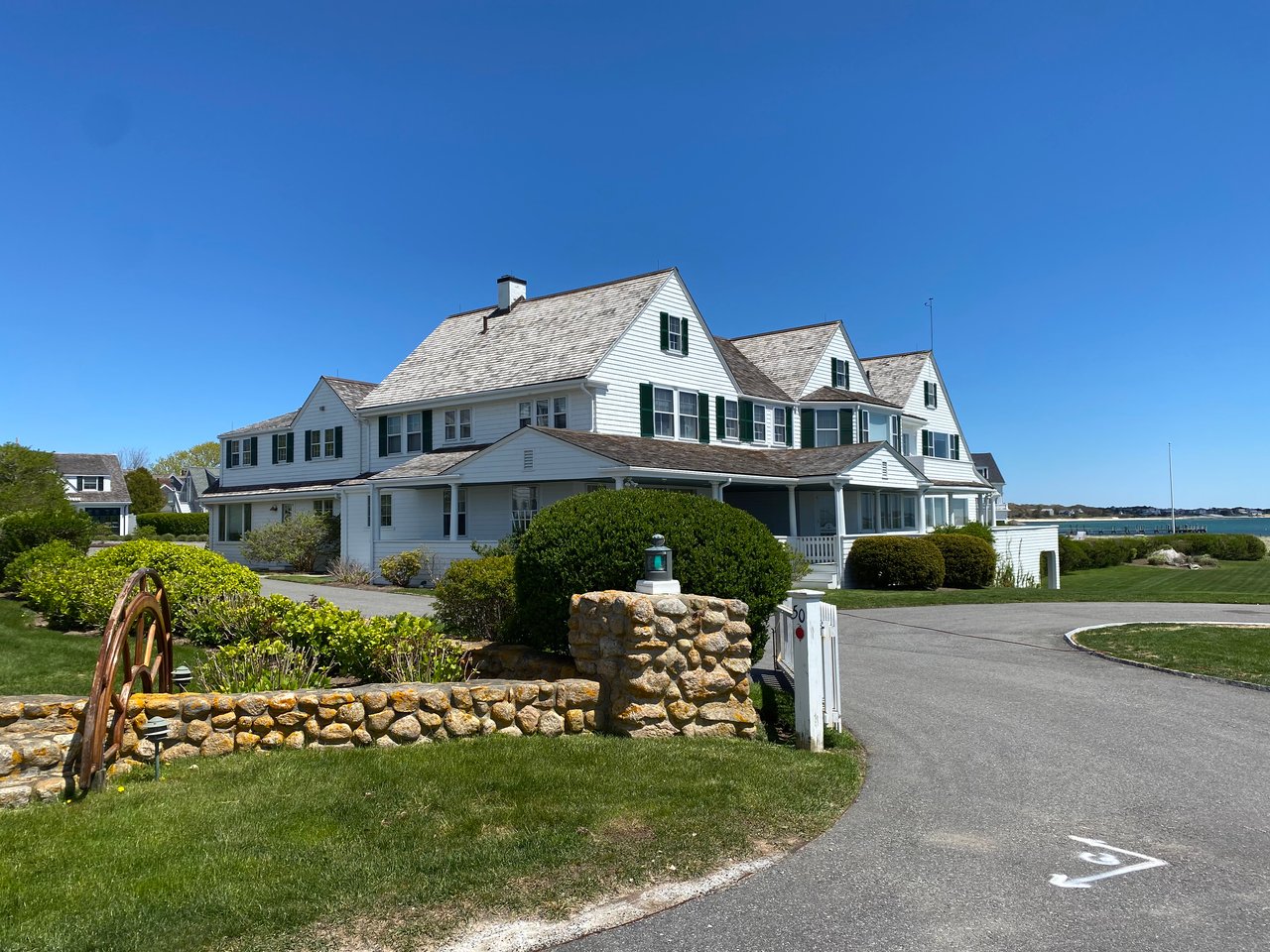
For buyers, this often changes the conversation. Square footage matters, but so do privacy, setting, harbor proximity, and how a property connects to the landscape. In Cotuit, those qualities can carry as much weight as the house itself.
Cotuit Homes Have Deep Character
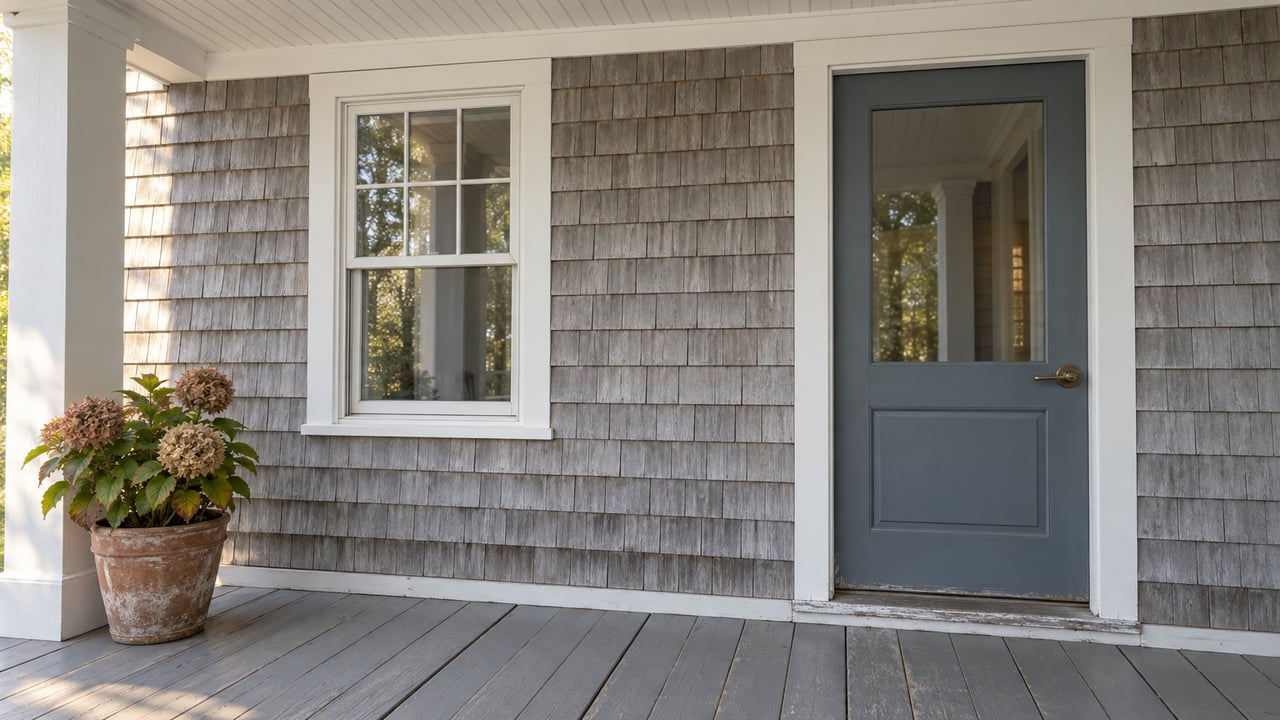
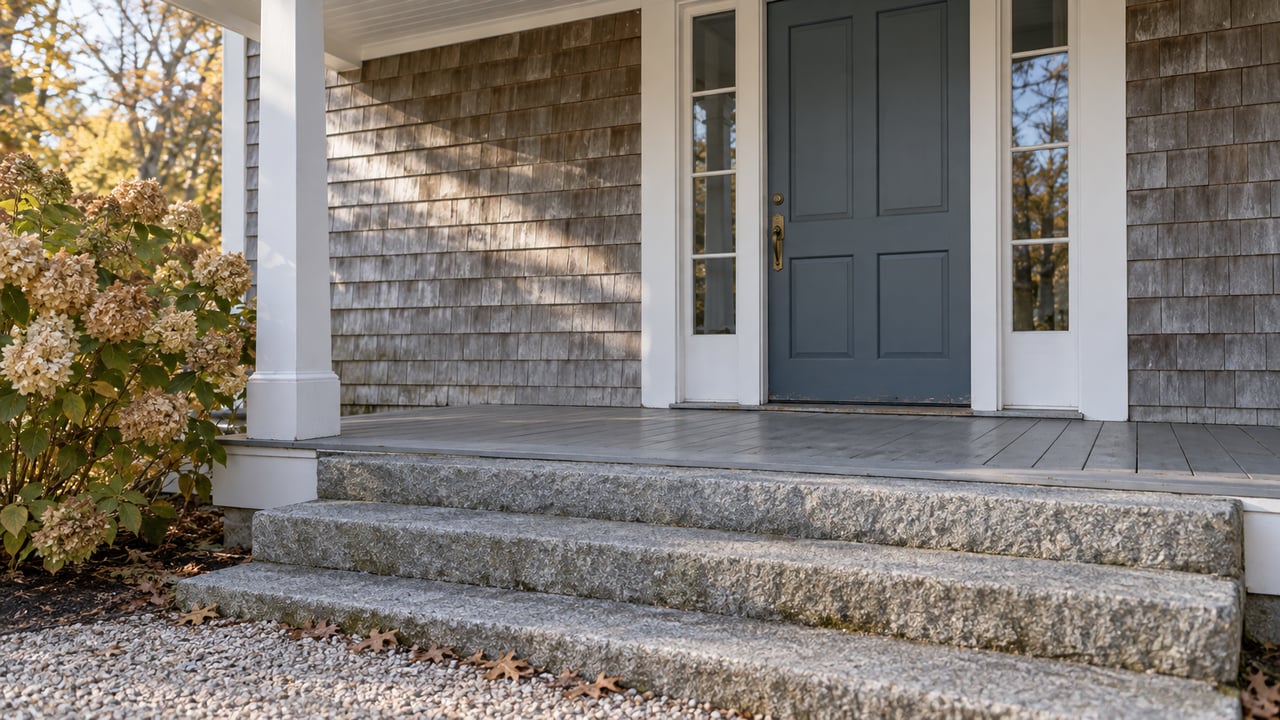
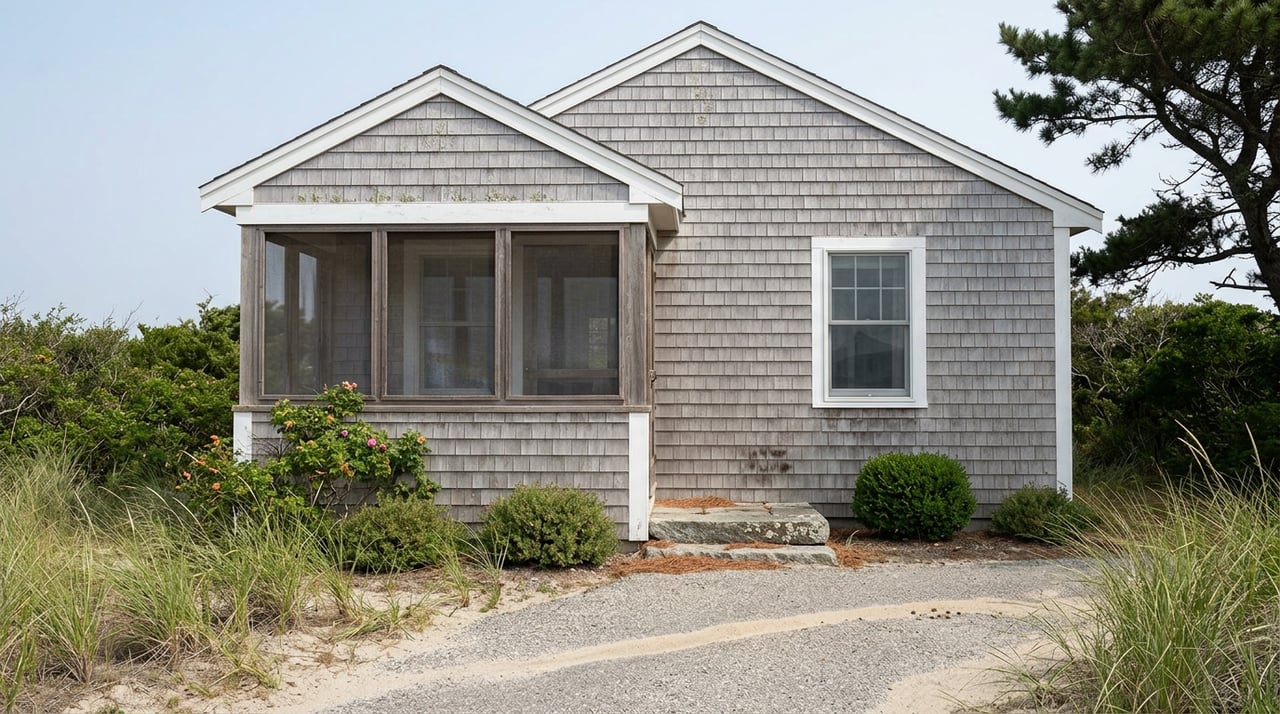
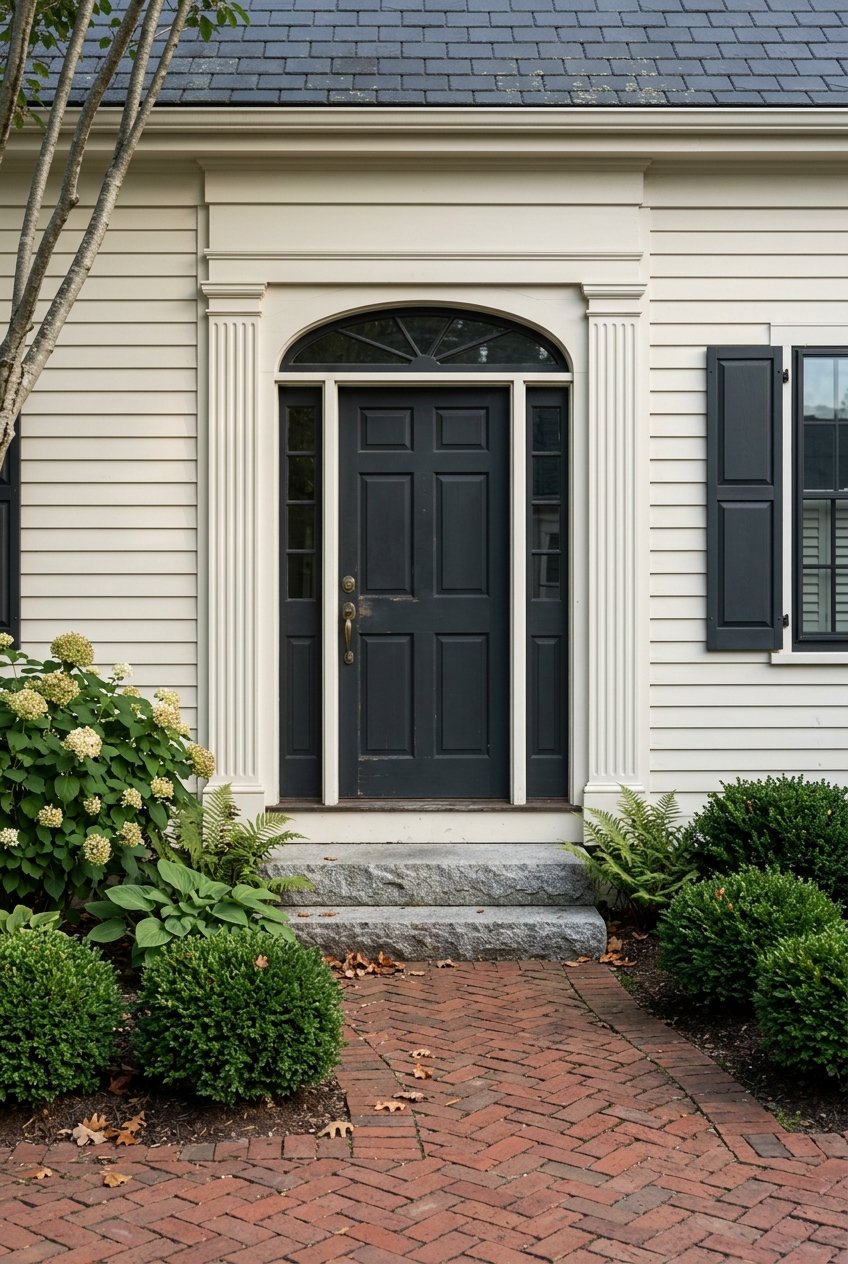
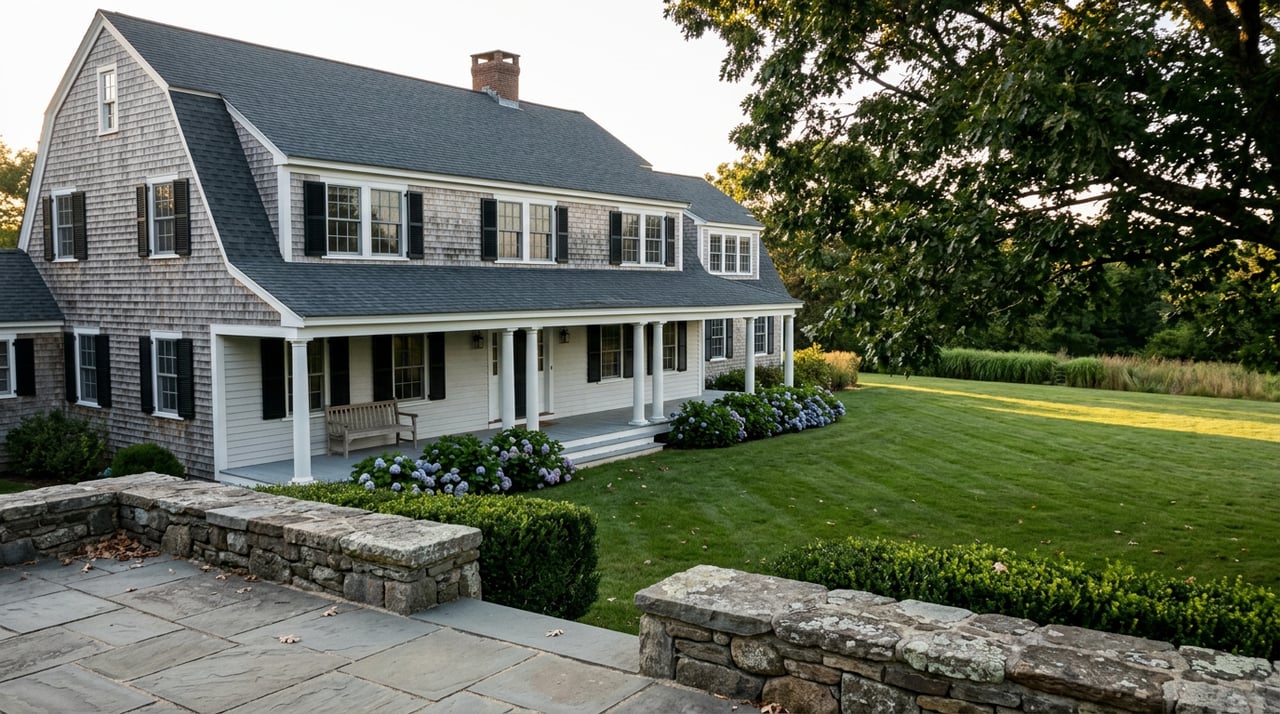
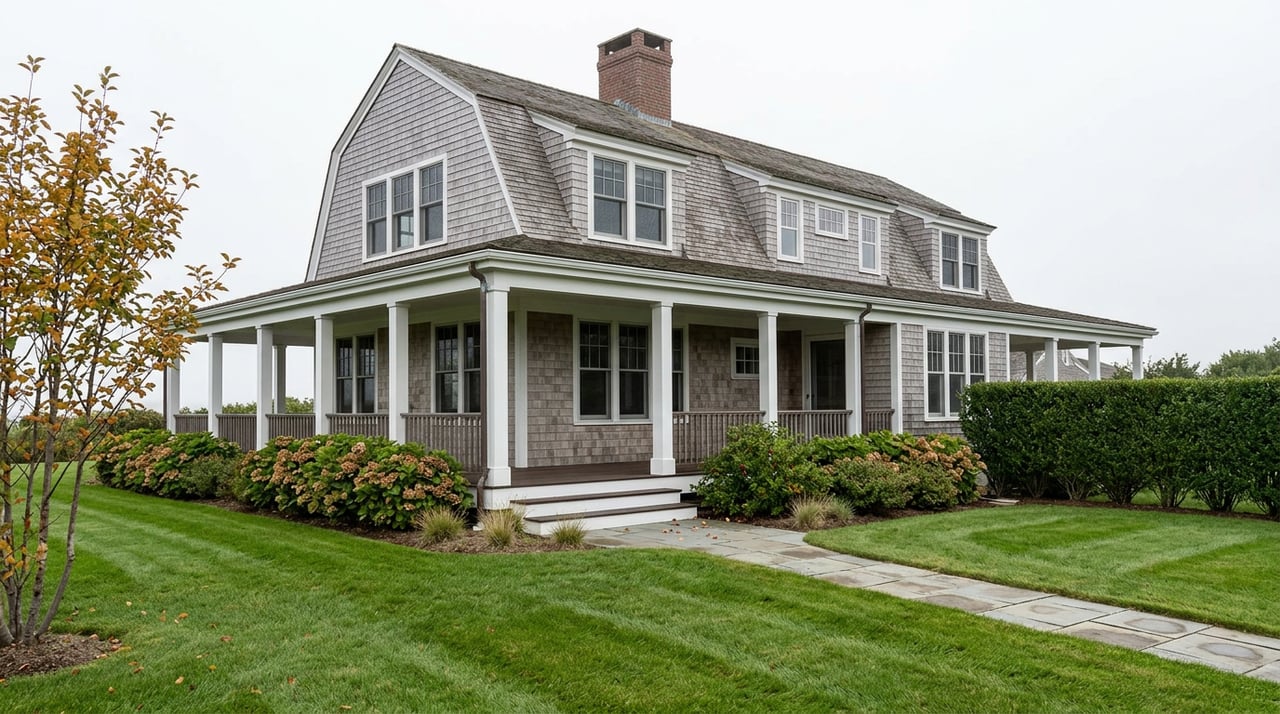
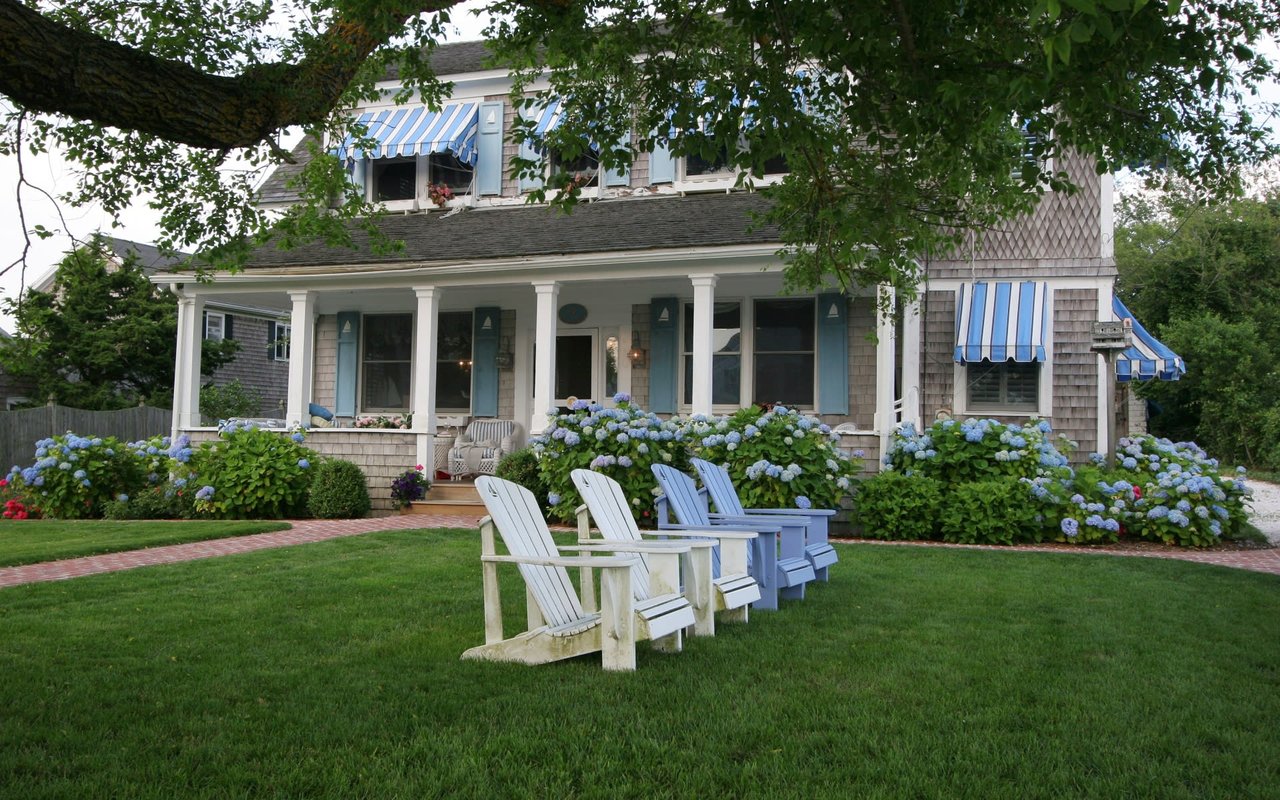
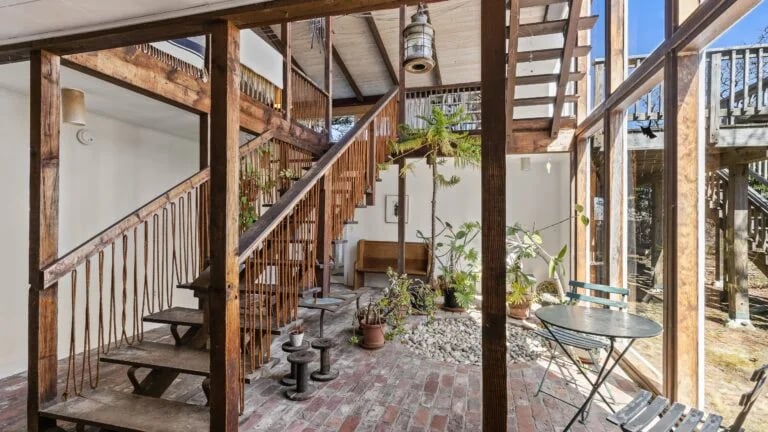
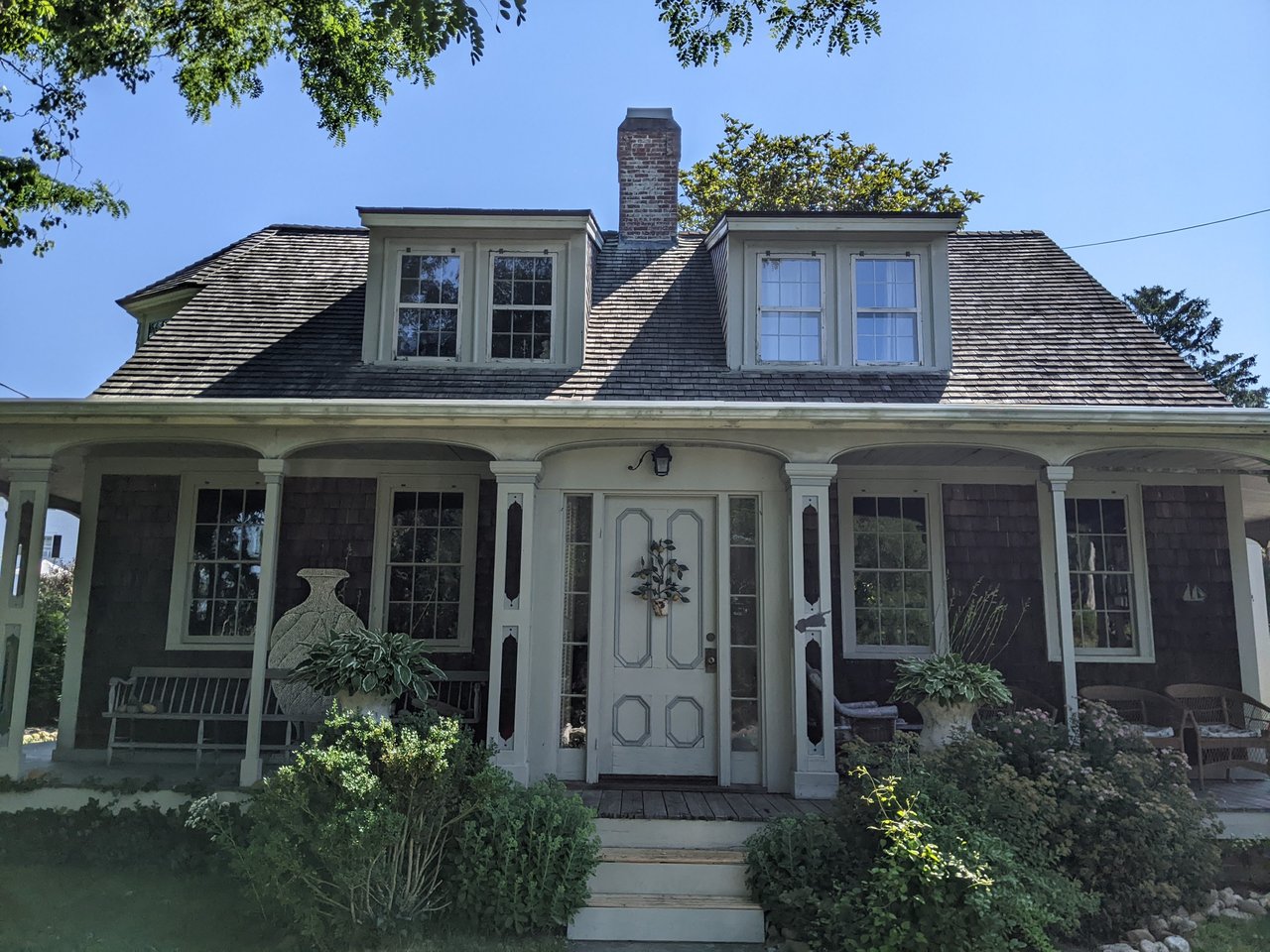
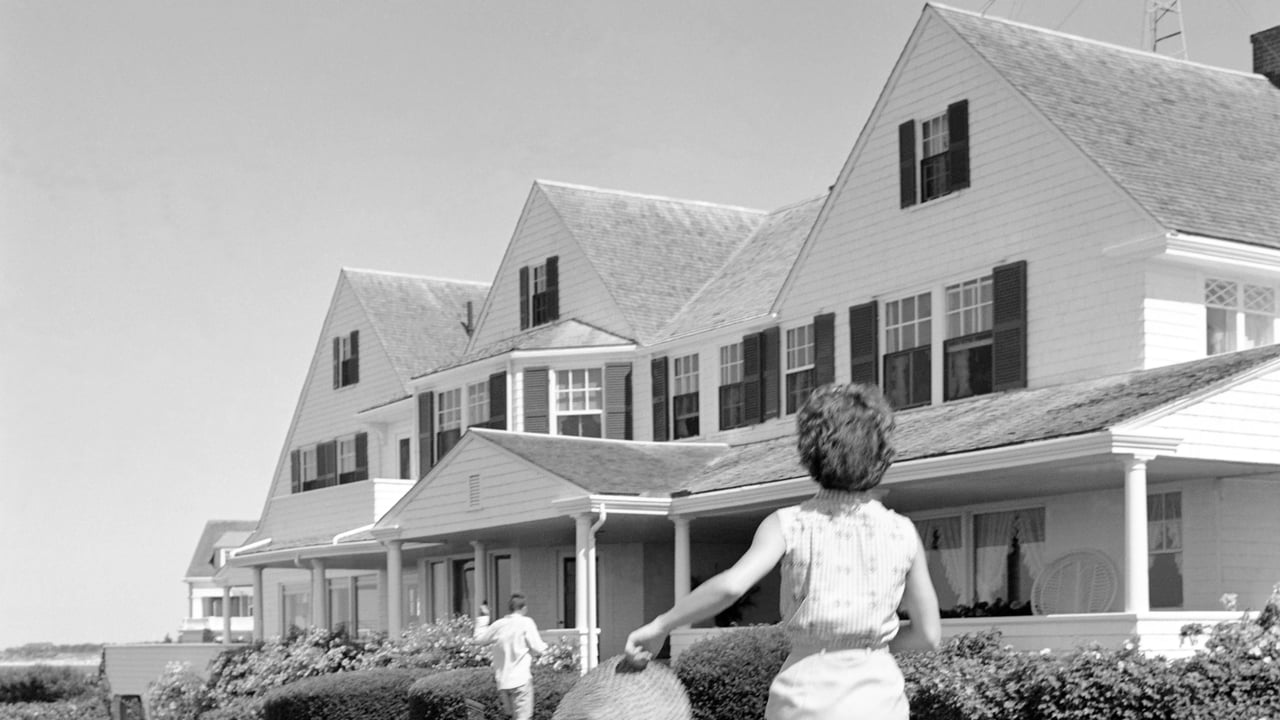
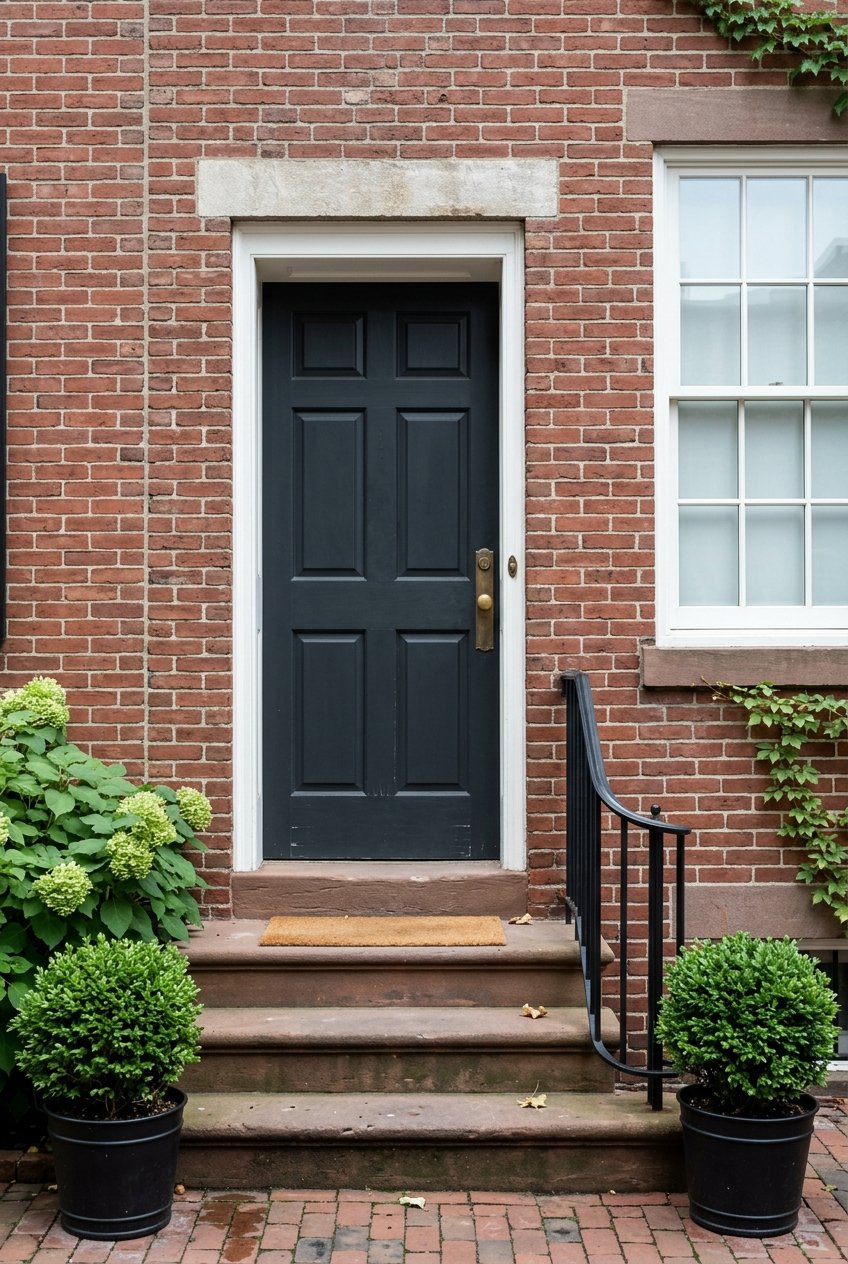
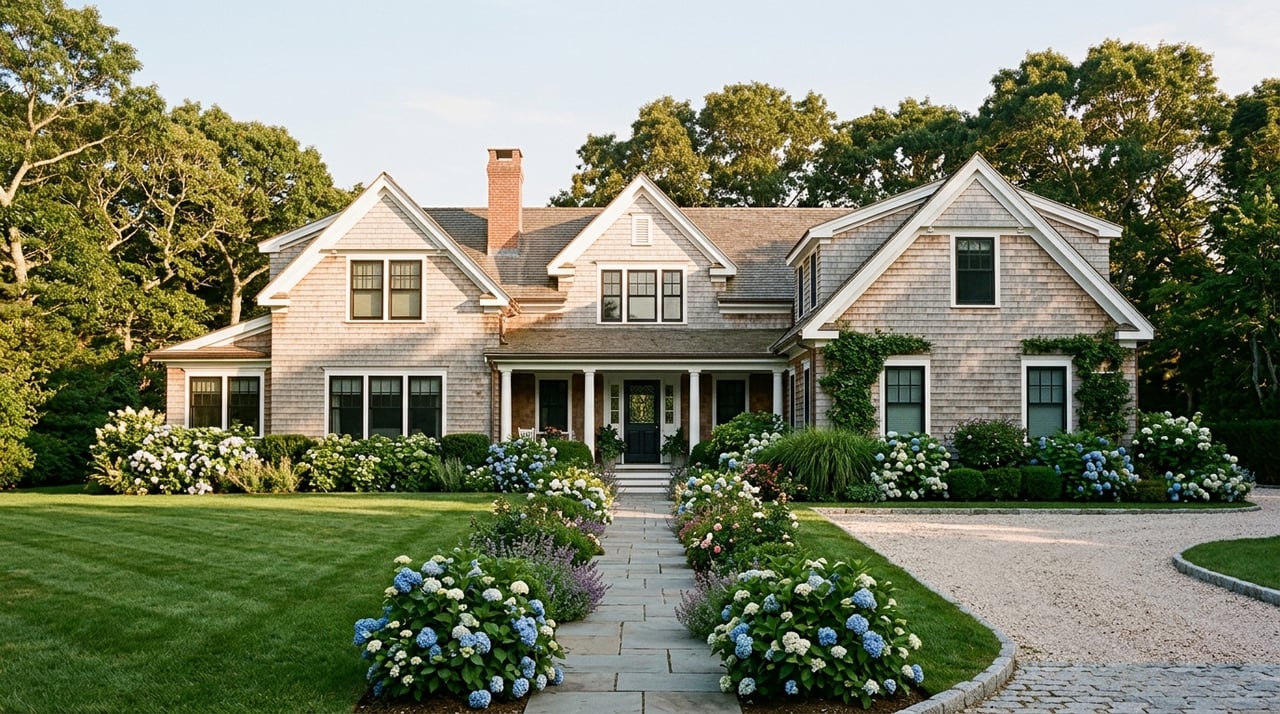
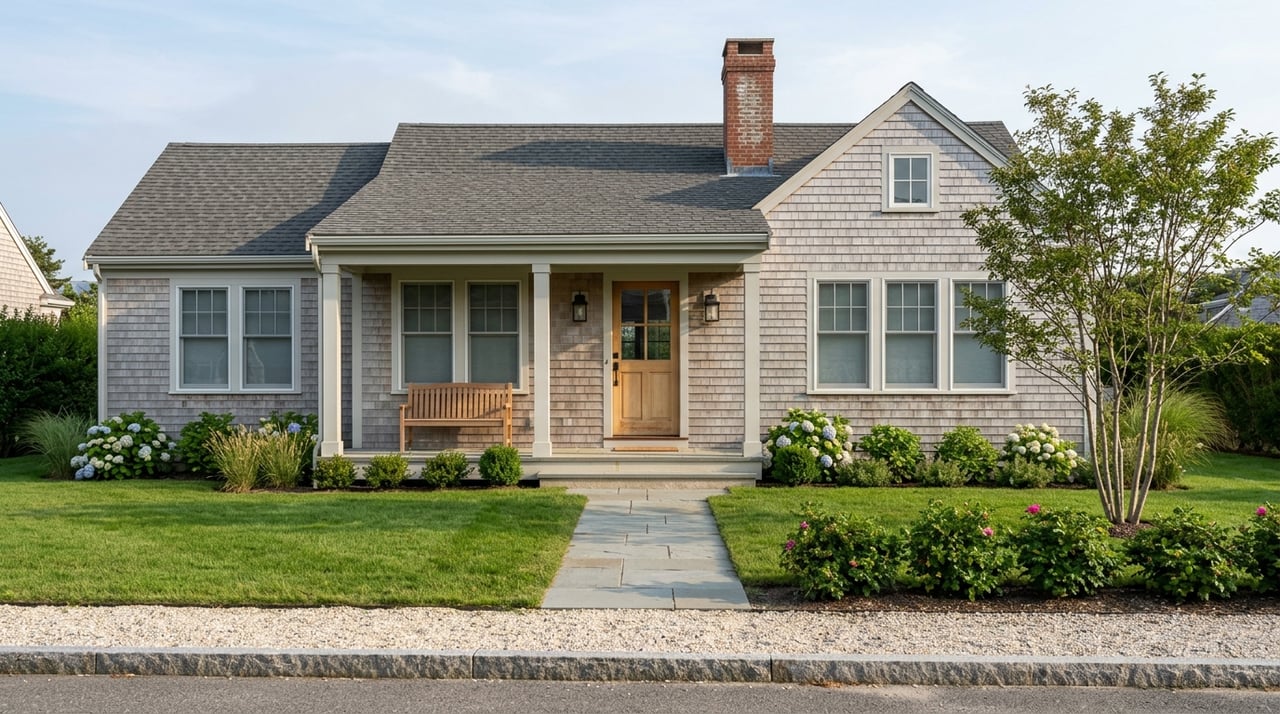
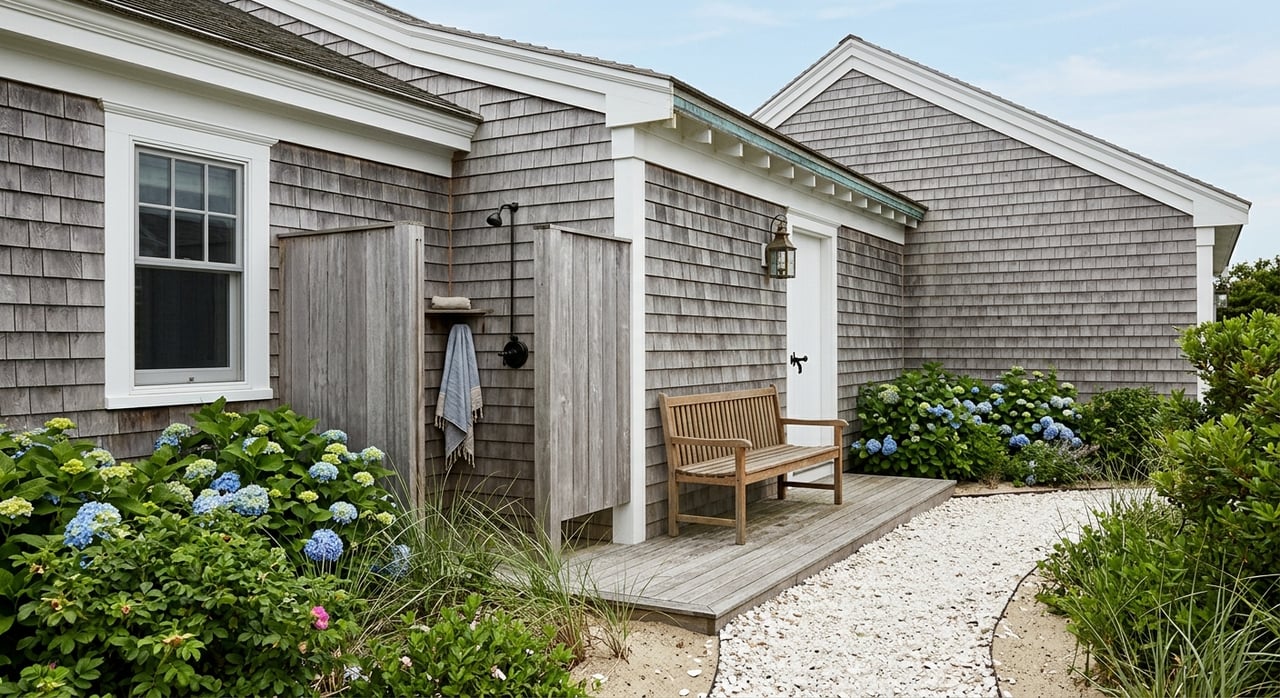
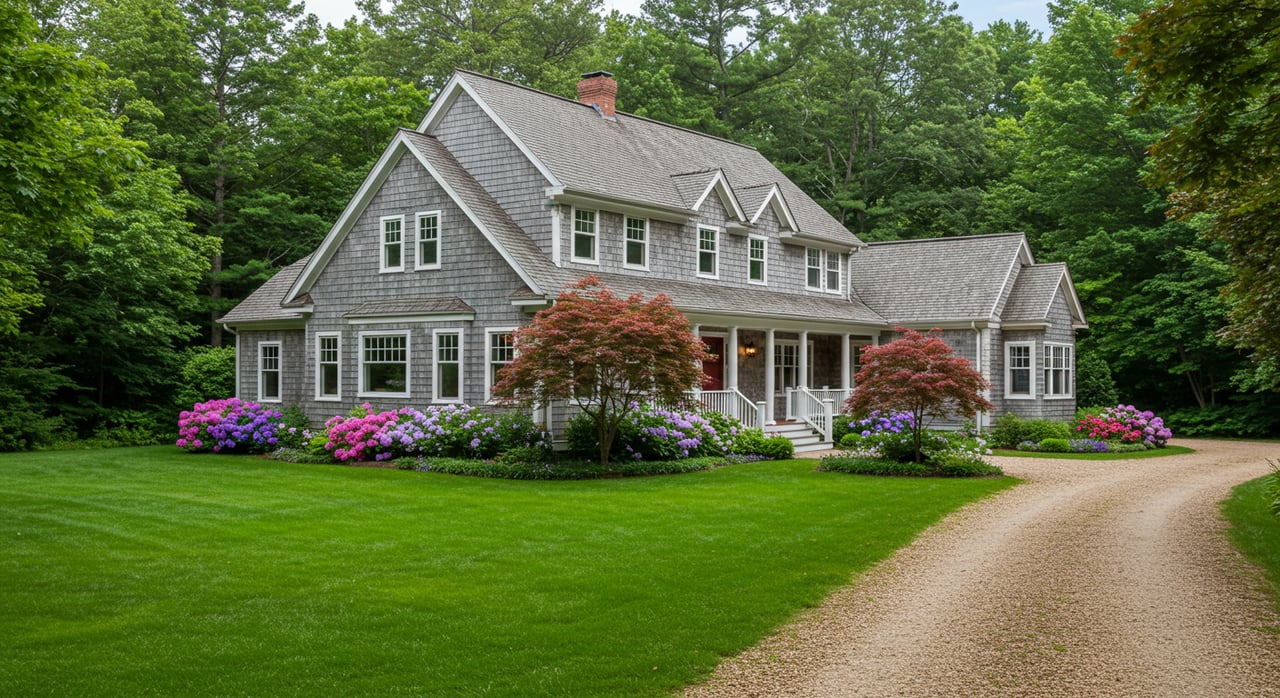
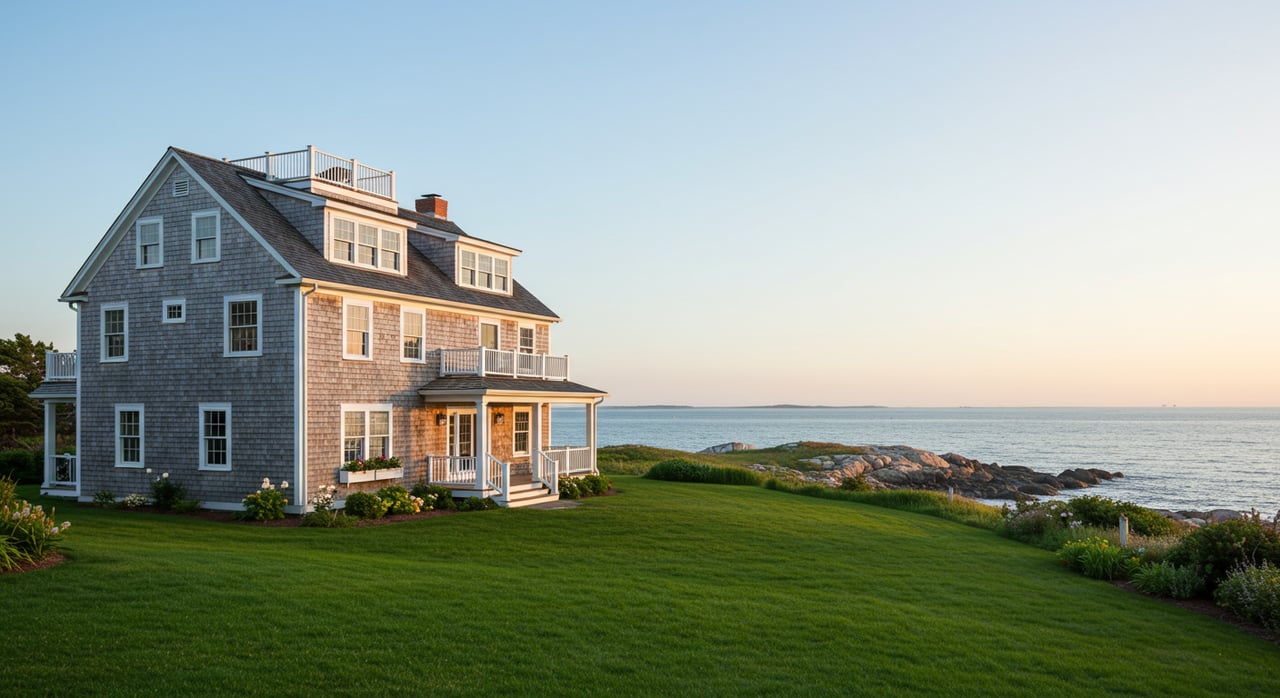
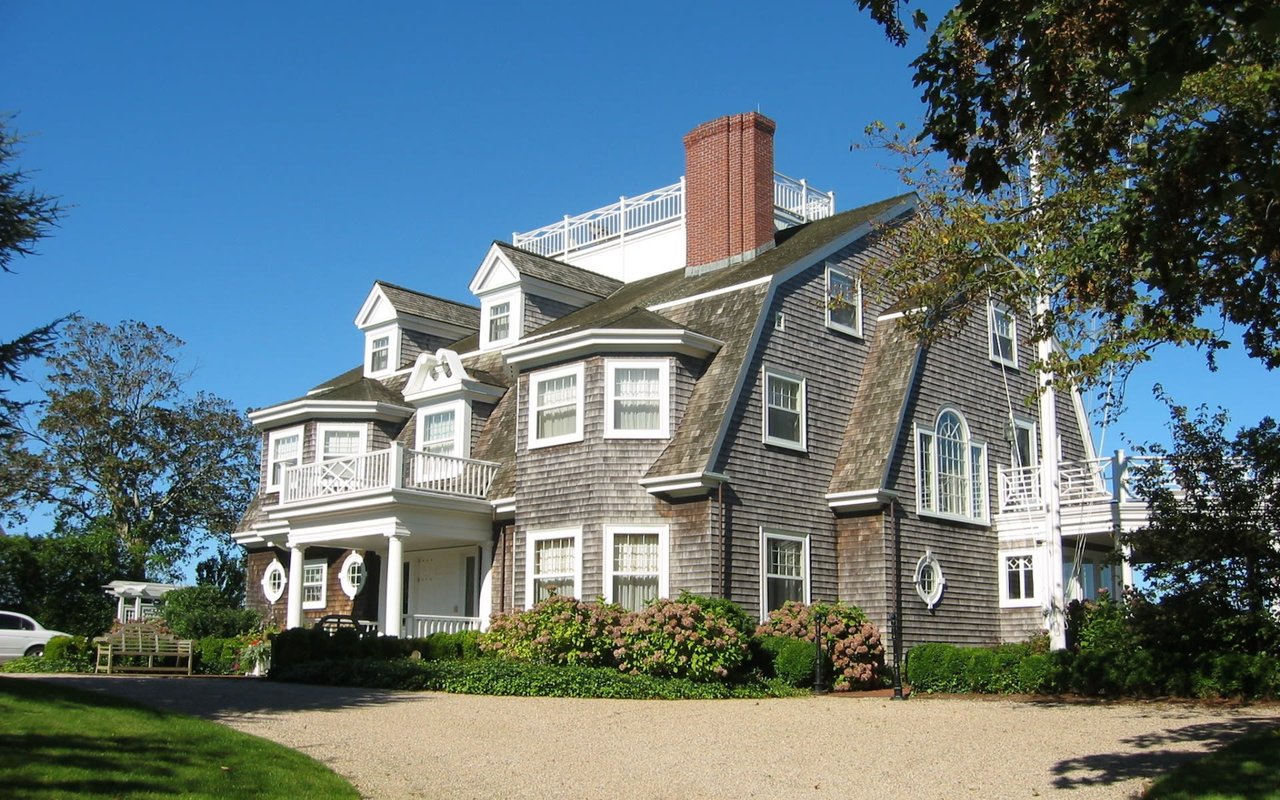
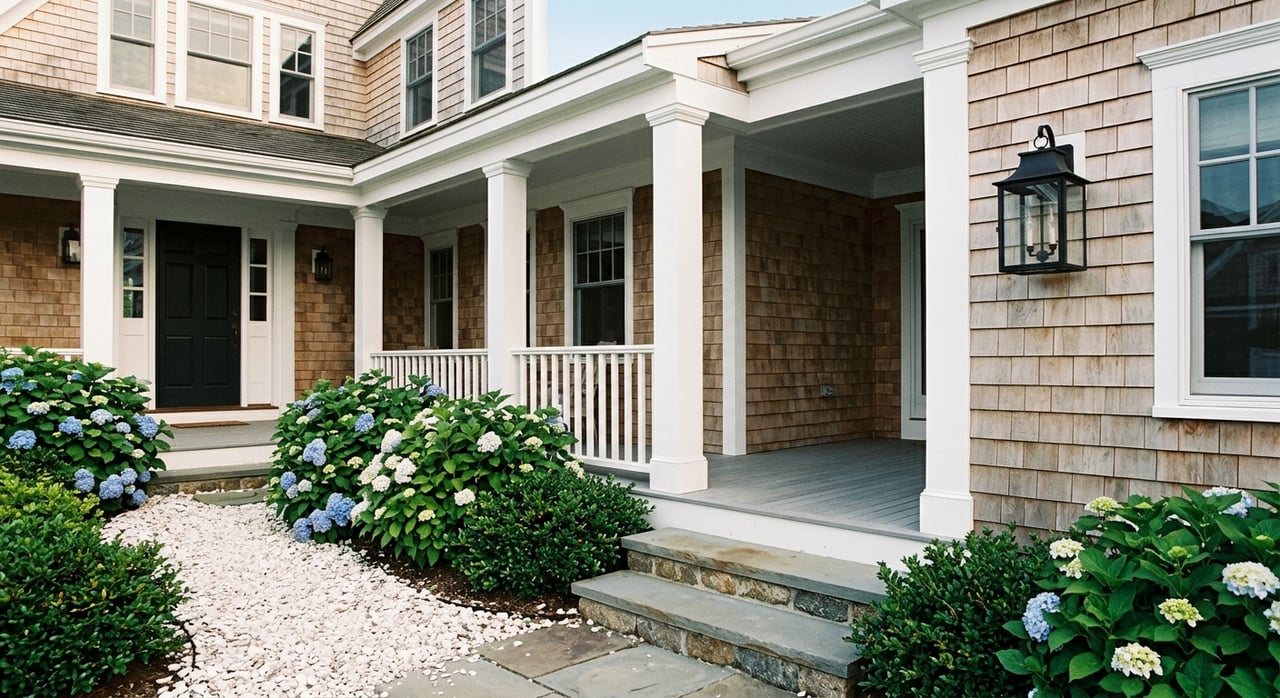
Cotuit’s housing stock reflects the village’s long history. The preservation plan describes late Georgian and early Federal houses, along with Greek Revival and Italianate styles, Cape Cod cottages, and properties tied to sea captain and farmstead eras. Many homes are noted as having significant historic and architectural importance, and some are on the National Register of Historic Places.
That mix gives Cotuit unusual texture. As you move through the village, the built environment feels layered rather than uniform. Buyers who value architecture and heritage often notice that right away.
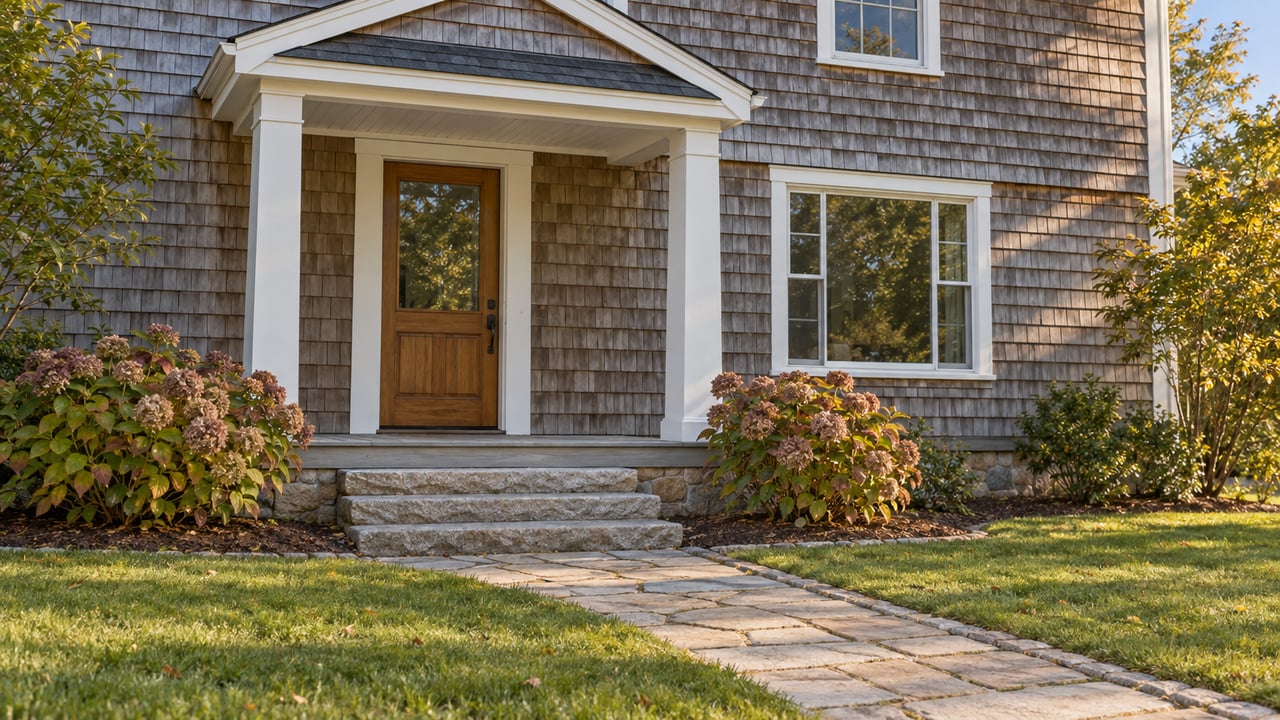
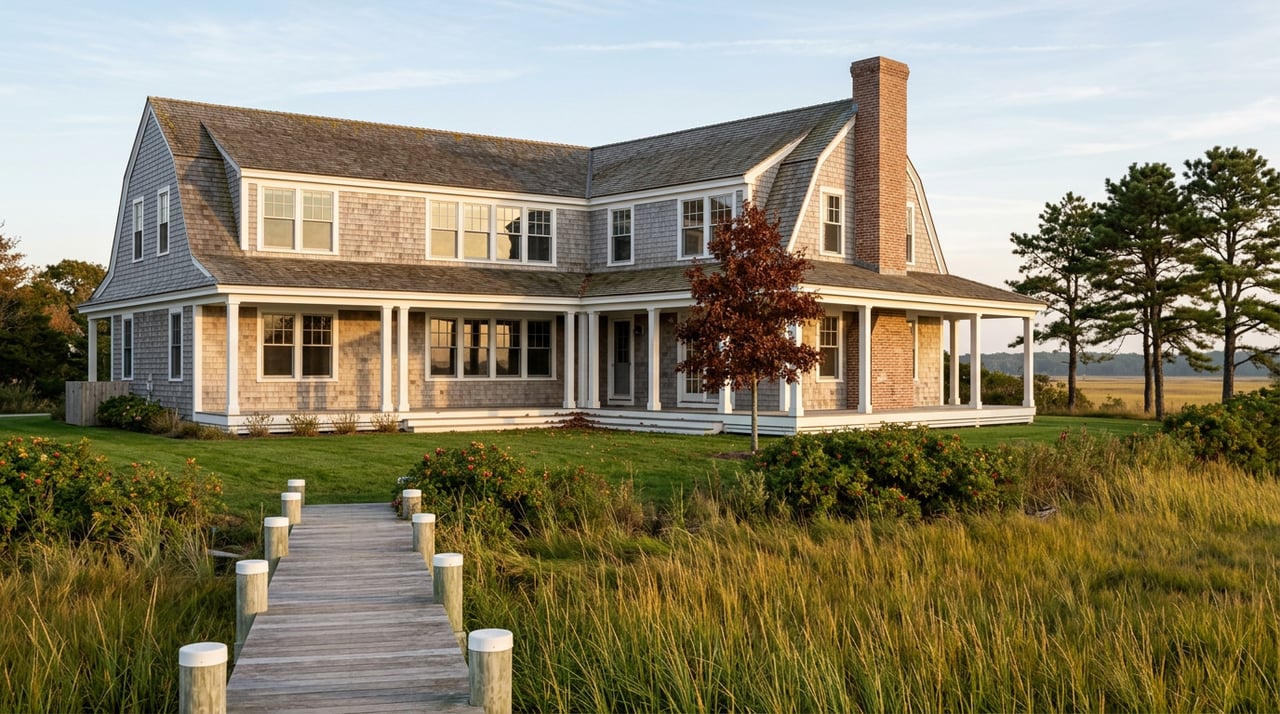
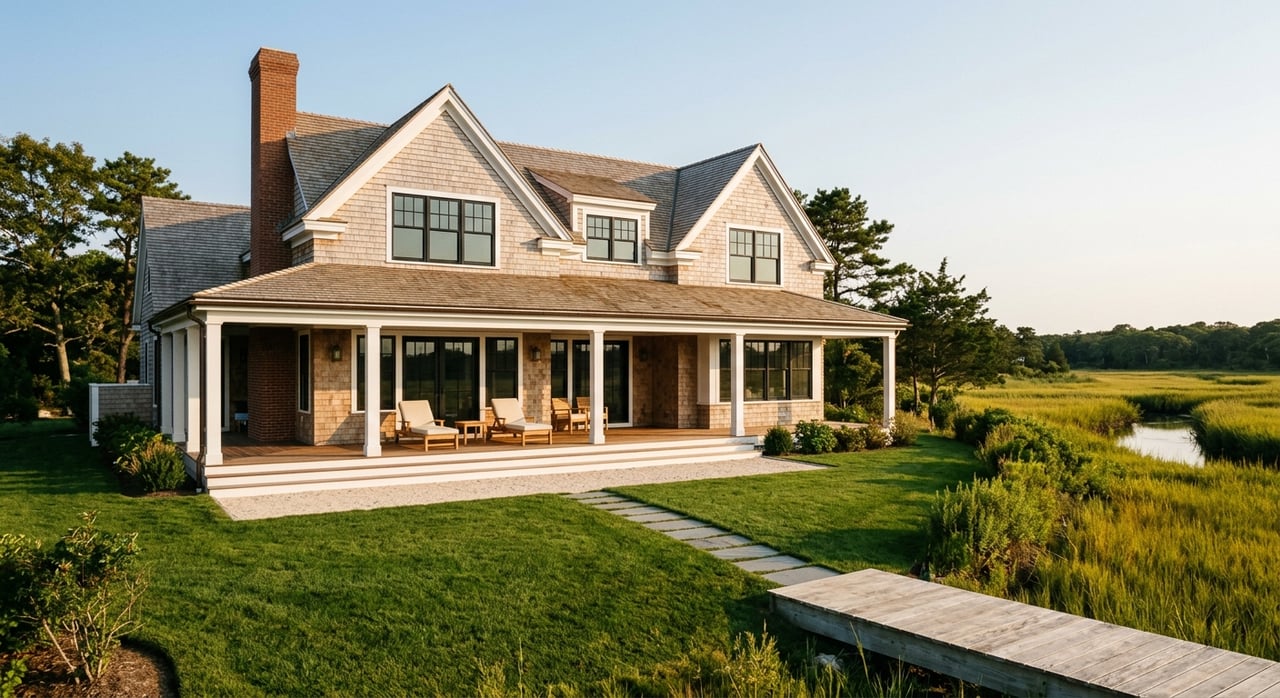
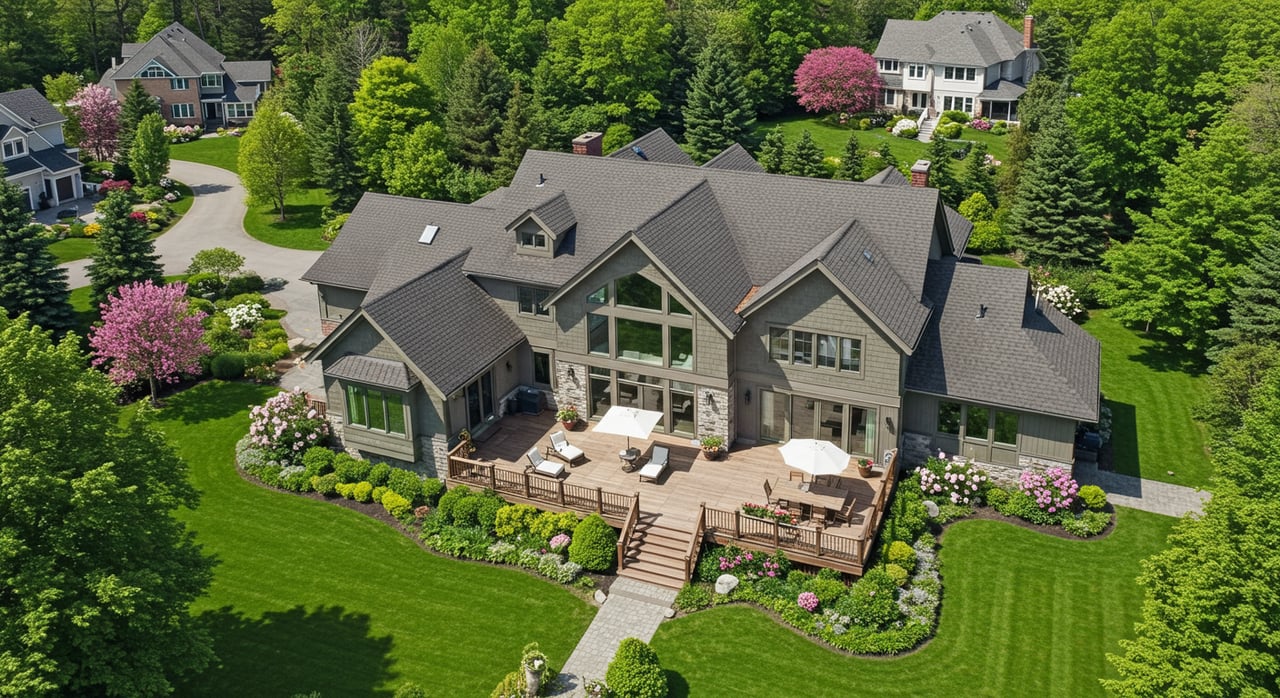
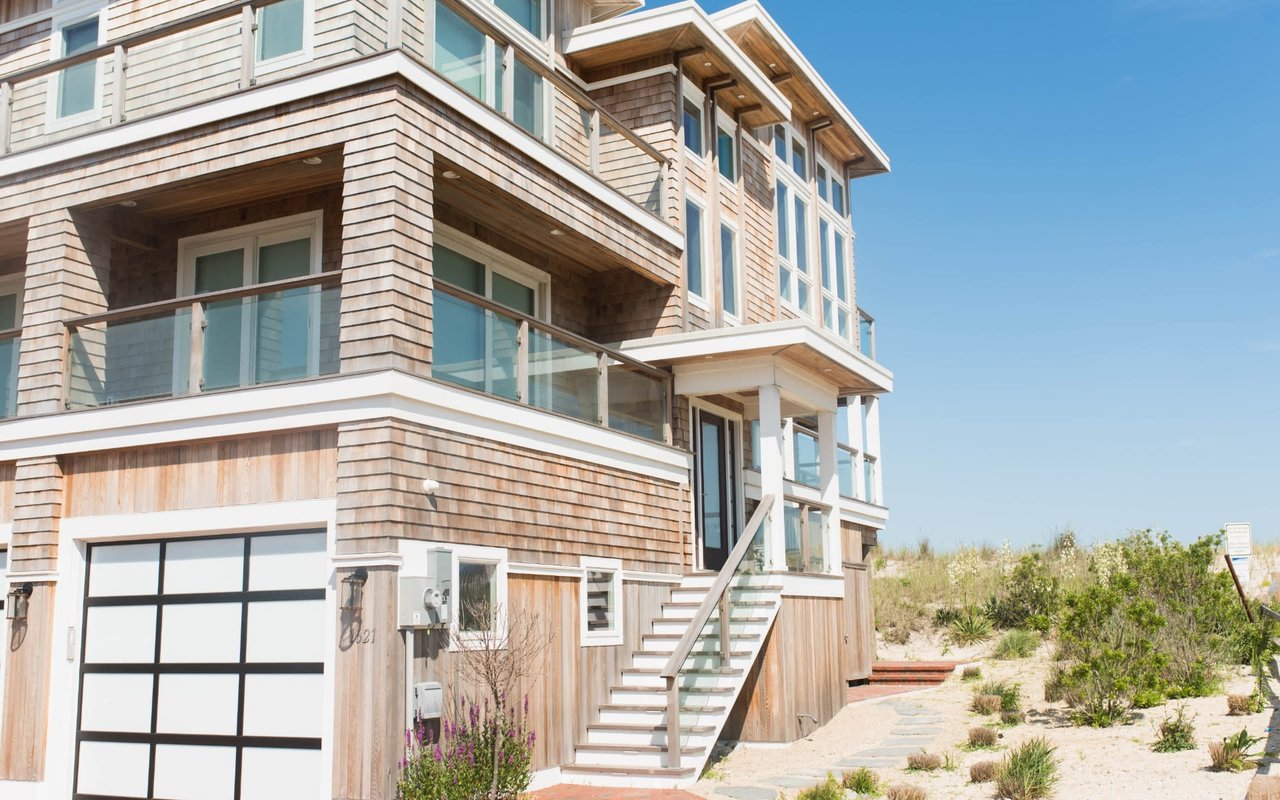
At the same time, the market is not frozen in time. Planning documents note that limited waterfront and buildable land have led to smaller properties being purchased and replaced by newer, larger structures. That means Cotuit can offer both period charm and more recently reimagined homes, depending on where and what you are looking for.
Setting Often Matters as Much as Size
Cotuit residents place a high premium on open areas and conservation land. Town documents point to beaches, ponds, and protected spaces including Eagle Pond, Lower Little River, Sampson’s Island, and Crocker Neck Reservation. These landscapes are central to the village identity.
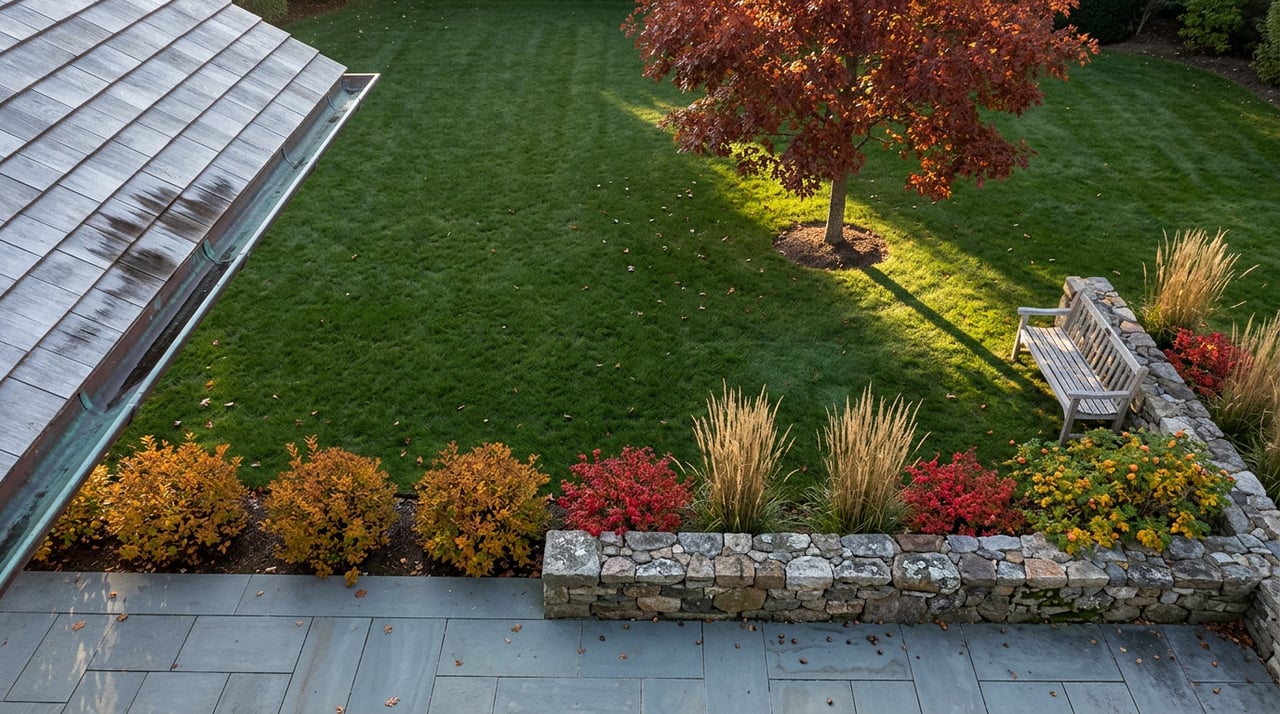
For buyers, that often shifts priorities. A home’s relationship to surrounding land, privacy, water, and natural features can matter just as much as the interior finish level. In a place like Cotuit, the setting is part of the living experience.
This is one reason homes here can feel so personal. Two properties with similar square footage may offer very different lifestyles depending on how they connect to shoreline access, conservation areas, or the village core.
Who Cotuit Often Appeals To
Cotuit tends to attract buyers who want a quieter version of Cape Cod living. Based on the village’s mostly residential core, limited waterfront access, seasonal-resident base, and social anchors, it often appeals to people looking for privacy, boating or beach access, heritage architecture, and a more subdued daily rhythm.
It can be a strong fit if you value the following:
- A village setting over a busier commercial center
- Water views, boating culture, or beach access
- Historic homes and architectural character
- Community traditions like summer baseball and arts programming
- A lifestyle centered on home, landscape, and low-key gathering
If your idea of Cape Cod includes nightlife, dense retail, or a more active resort feel, other villages may align better. If you want a place that feels deeply local and visually calm, Cotuit is worth serious attention.
What Buyers Should Keep in Mind
Cotuit’s appeal comes with tradeoffs, and understanding them early can help you search more strategically. Water access exists, but it is limited. Moorings are in demand, and public access points are relatively few.
The housing stock is also varied. You may find historic cottages, period homes, and newer rebuilds, but the right fit depends on your priorities around maintenance, privacy, scale, and location within the village.
It also helps to think beyond the house itself. In Cotuit, buyers often weigh factors like harbor access, neighborhood feel, conservation adjacency, and village atmosphere just as carefully as finishes and floor plans.
Why This Matters in a Real Estate Search
Cotuit is not the kind of place you fully understand from a map. Its appeal comes from how the village feels over the course of a day: the shoreline in the morning, the quiet streets, the pull of Lowell Park in summer, and the understated pace at night. That lived rhythm is a big part of what buyers respond to.
For some, Cotuit becomes the answer because it offers a more private and grounded Cape Cod experience. For others, it helps sharpen what they want in another village. Either way, seeing the lifestyle clearly is what leads to better real estate decisions.
If you are considering Cotuit, it helps to work with a team that understands how lifestyle, setting, and property type intersect across Cape Cod. The Guthrie Schofield Group helps buyers and sellers navigate coastal Massachusetts with local insight, thoughtful guidance, and a polished approach tailored to distinctive homes and villages.
FAQs
What makes Cotuit different from other Cape Cod villages?
- Cotuit is known for a mostly residential village setting, limited but meaningful water access, historic housing character, and a quieter daily rhythm shaped by beaches, boating, baseball, and the arts.
Is Cotuit in Barnstable a busy commercial area?
- No. Town planning documents describe Cotuit’s core, especially around Main and School Streets, as laid-back, low-intensity, and mostly residential.
What is public water access like in Cotuit?
- Public water access is limited but important, with 8 town-owned beaches, landings, and ways to the water, along with noted access points such as Loop Beach and Ropes Beach.
What kinds of homes are common in Cotuit?
- Cotuit includes historic cottages, sea captain-era and farmstead-era homes, late Georgian and early Federal houses, later Greek Revival and Italianate styles, plus some newer larger rebuilds where land is scarce.
Is Cotuit a good fit for buyers seeking a quieter Cape Cod lifestyle?
- Yes. Cotuit often appeals to buyers who want privacy, architectural character, boating or beach access, and a lower-key village atmosphere rather than a busier resort environment.