The Edward Gorey House in Yarmouth Port: Inside Cape Cod's Most Unusual Historic Home
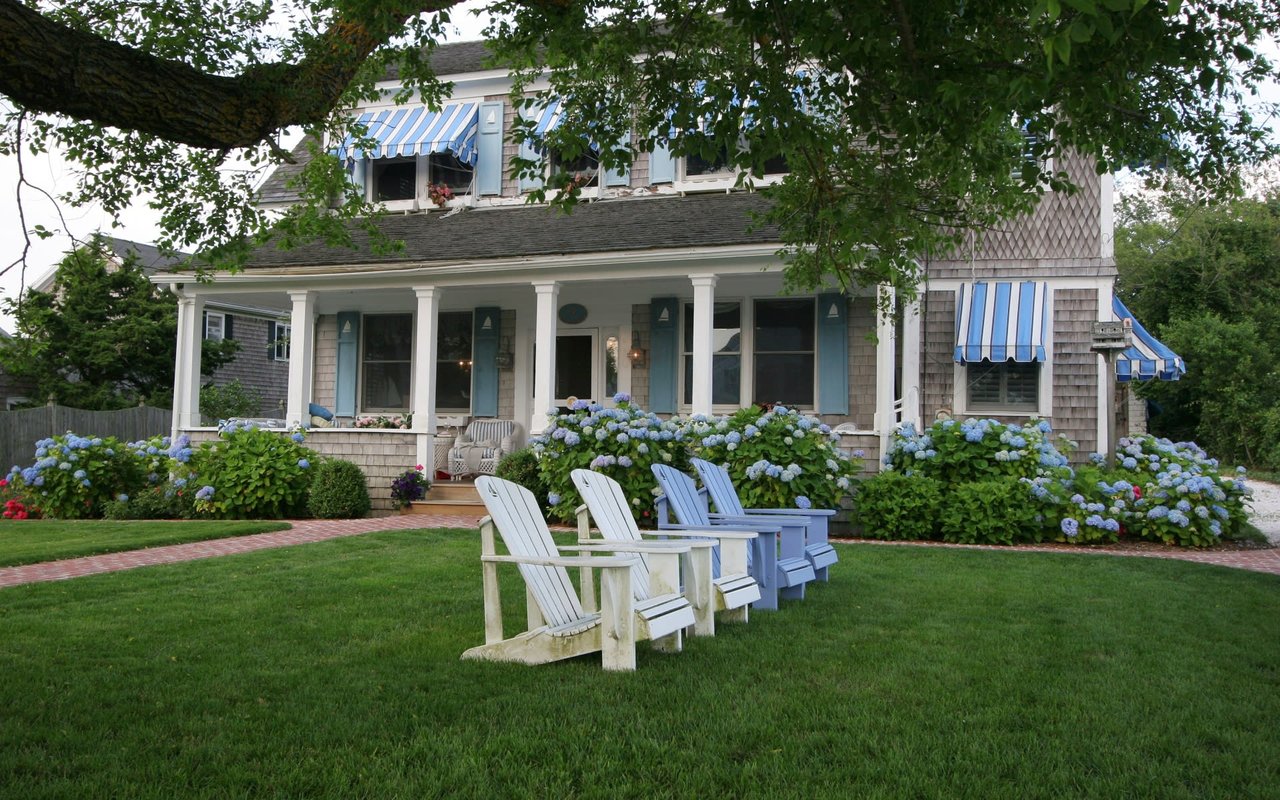
On a quiet stretch of Yarmouth Port, one of Cape Cod's most distinctive historic houses sits among the village's collection of sea captain homes.
It isn't a grand mansion.
It isn't a waterfront compound.
And it isn't particularly flashy.
That's precisely what makes the Edward Gorey House so interesting.
The historic home was where author, illustrator and artist Edward Gorey lived and worked for decades. Today, it is preserved as a museum and provides an unusually intimate connection between Cape Cod architecture and American literary history.
Who Was Edward Gorey?
Edward Gorey was an American author, illustrator, playwright and designer whose work developed a distinctive visual and literary style.
His career crossed books, theater, printmaking and television.
According to the Edward Gorey House, Gorey also designed animated introductions for Boston Public Television's Mystery! series and remained active in printmaking and other creative work throughout his career.
But Cape Cod became an important part of his life.
Why Edward Gorey Chose Cape Cod
Gorey's relationship with Cape Cod began long before he purchased his Yarmouth Port house.
His family had visited and lived on Cape Cod, and Gorey spent summers on the peninsula.
In 1979, he purchased a roughly 200-year-old sea captain's house on Yarmouth Port Common. By 1983, he had decided to leave New York City and make Cape Cod his primary home.
That decision says something interesting about Yarmouth Port.
Gorey wasn't choosing the Cape for the conventional reasons associated with luxury real estate.
He was choosing space, atmosphere, history and creative independence.
The History of the House
The property at 8 Strawberry Lane has its own history independent of Gorey.
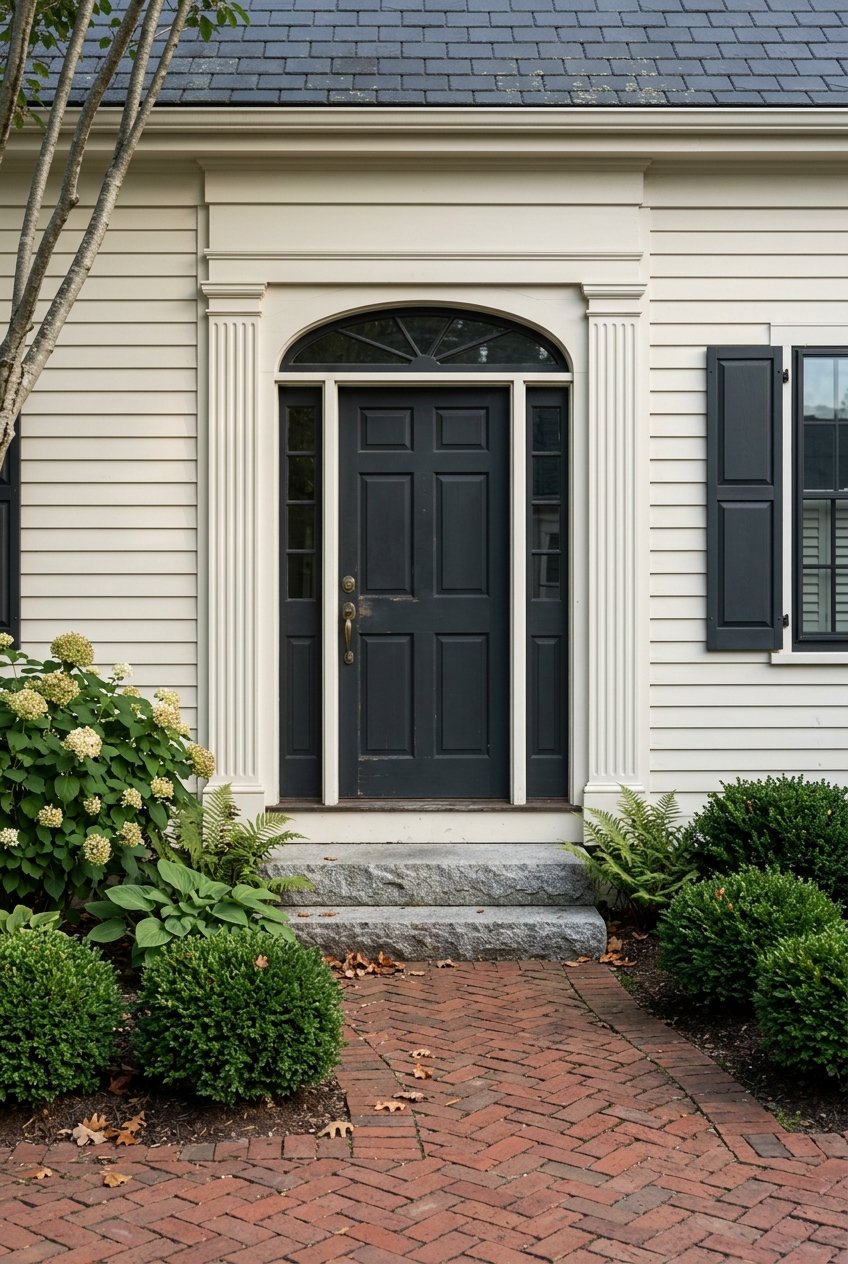
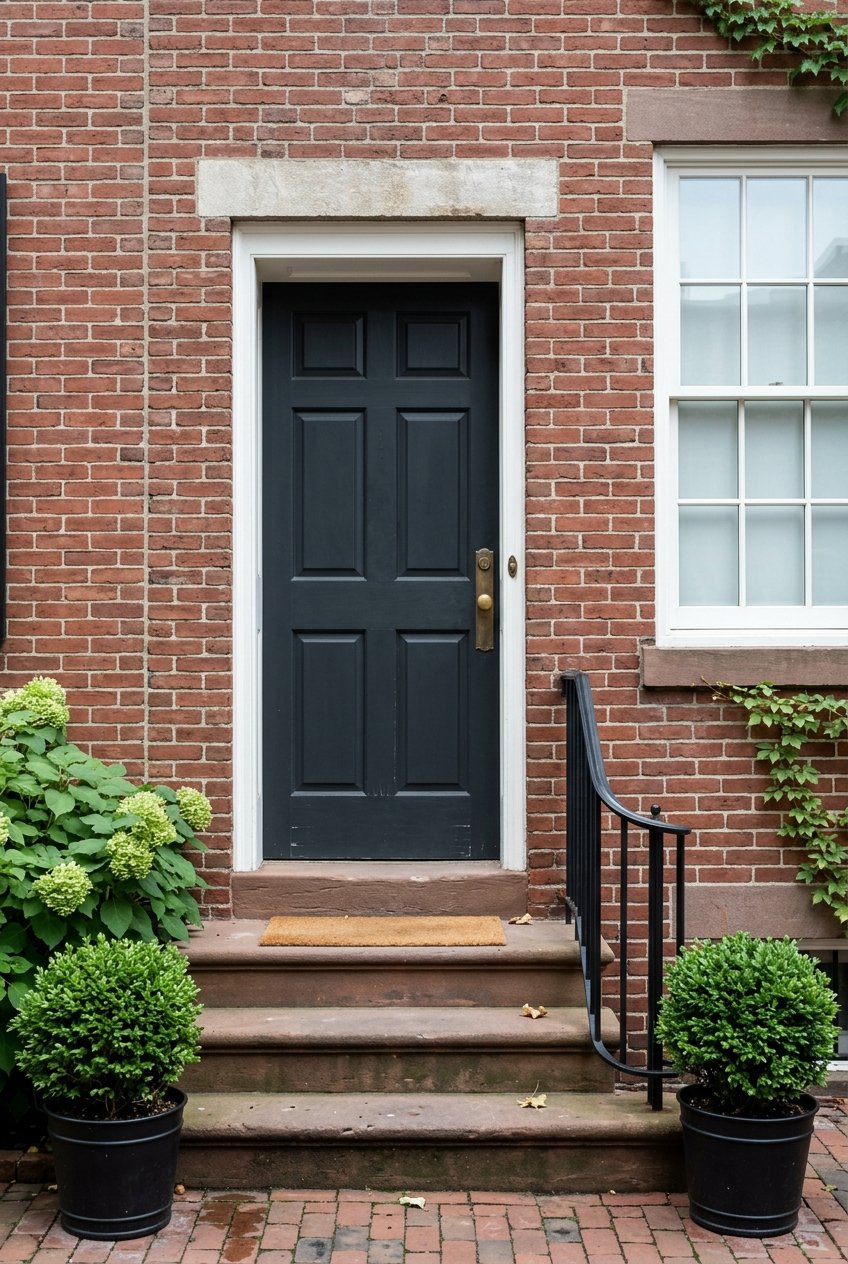
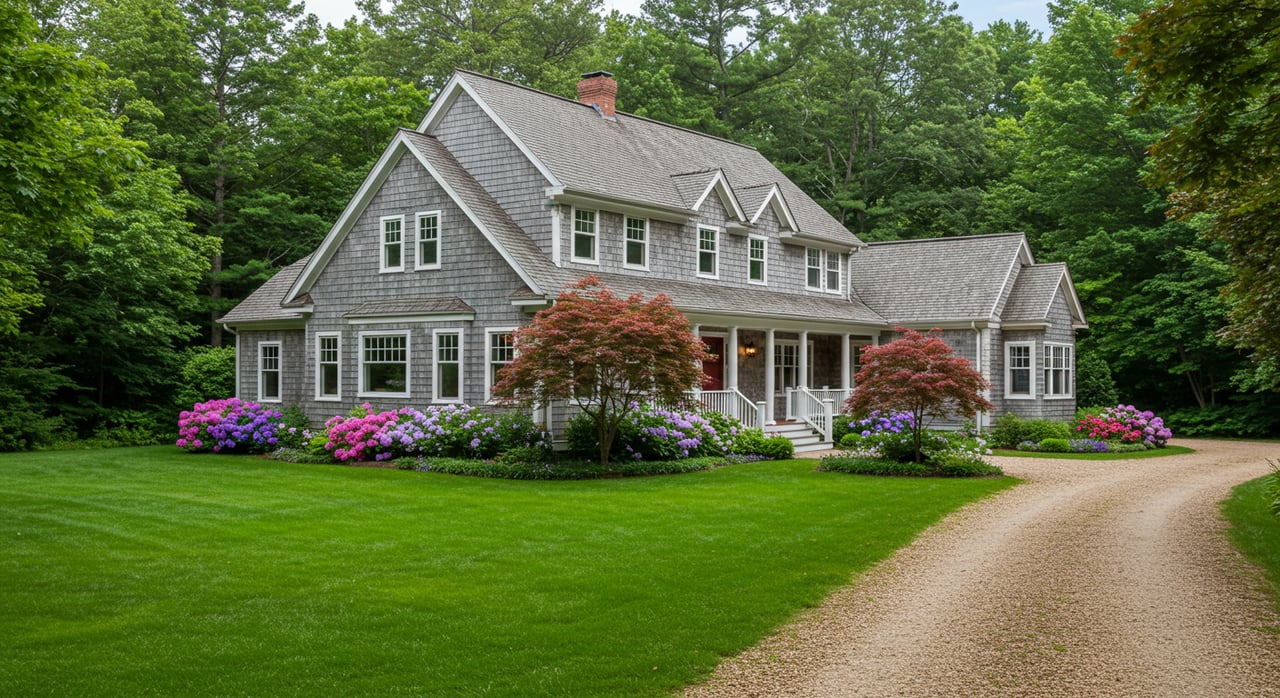
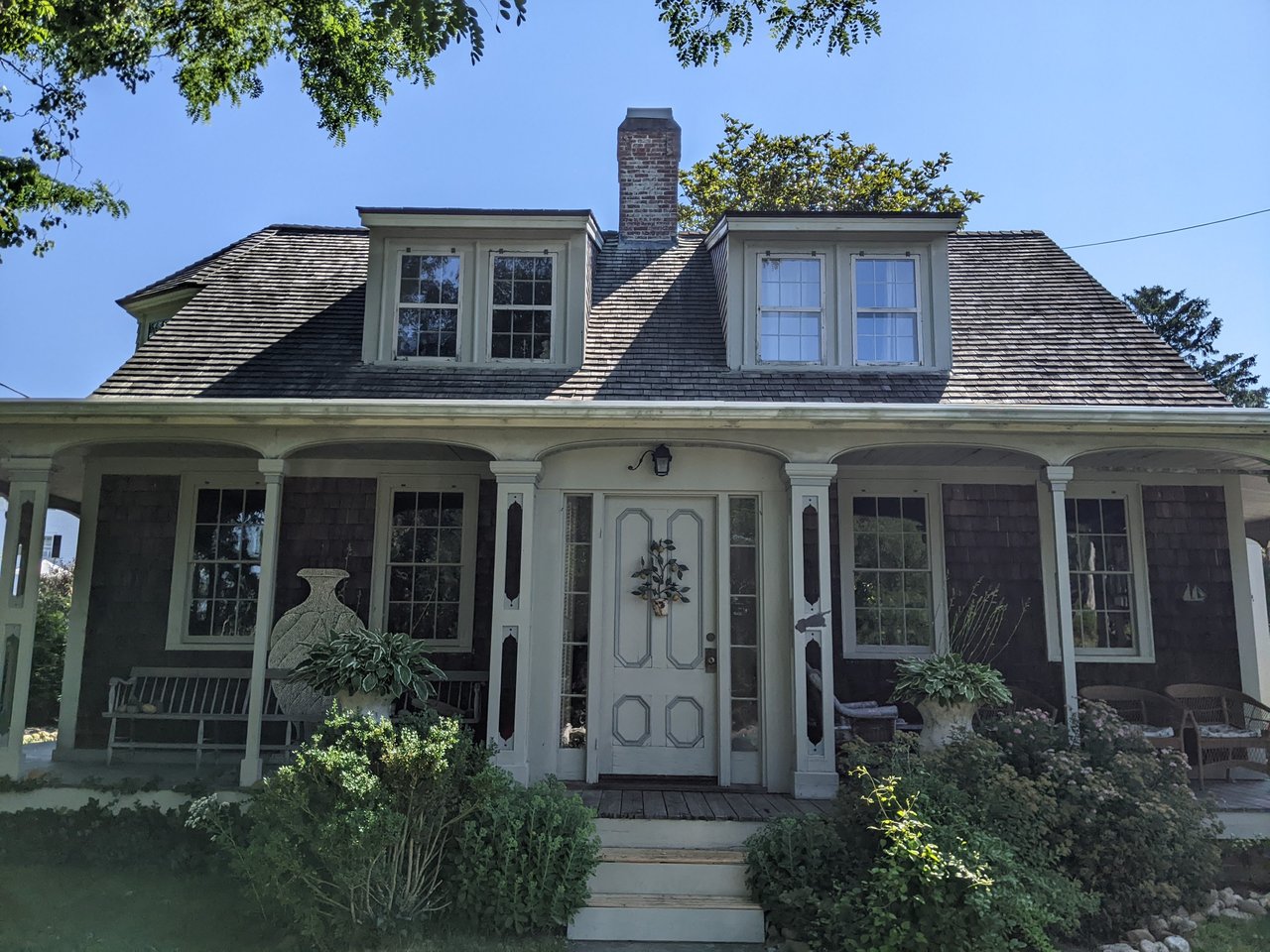
The Edward Gorey House identifies the structure as a sea captain's home constructed around 1820. It was originally associated with Captain Edmund Hawes and his family.
Over the years, the building evolved.
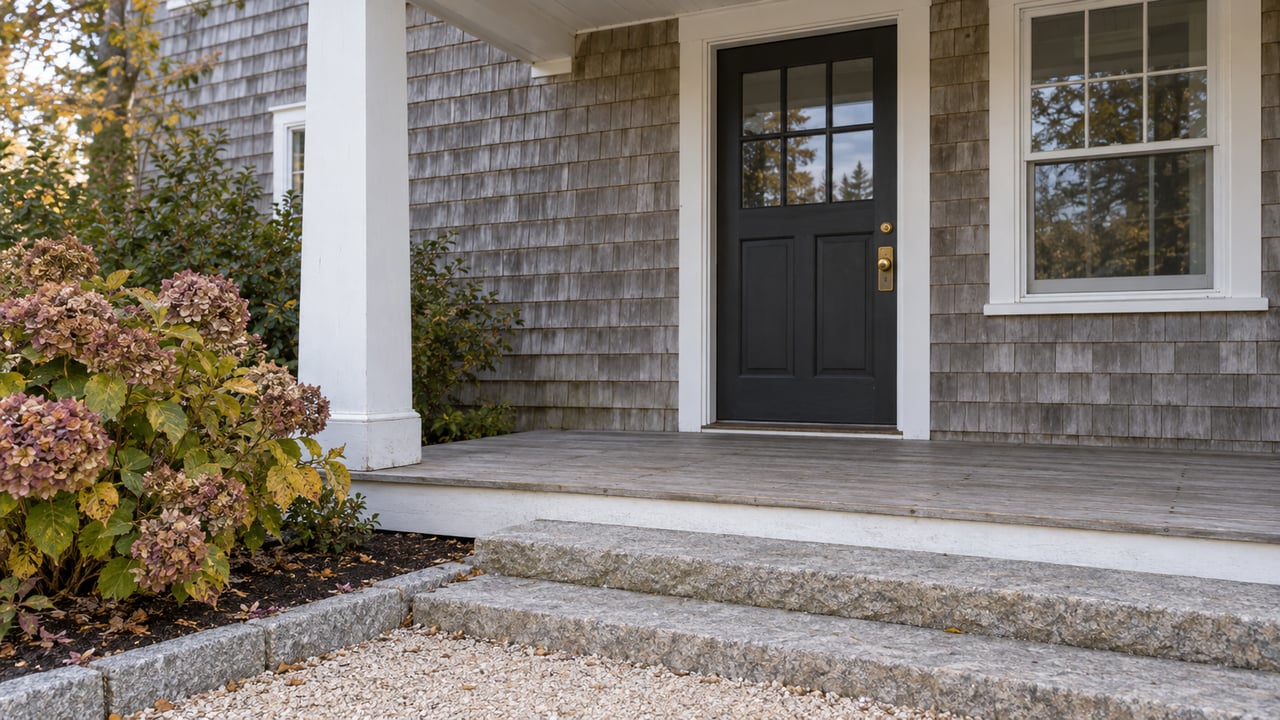
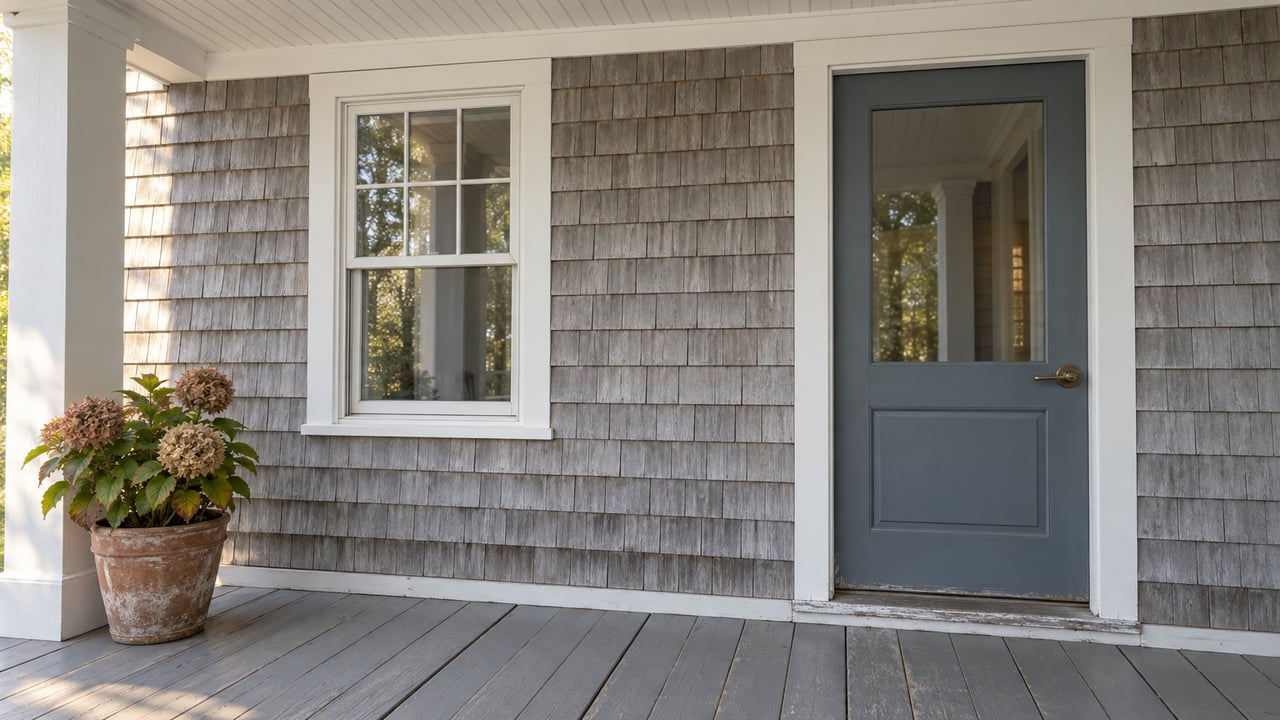
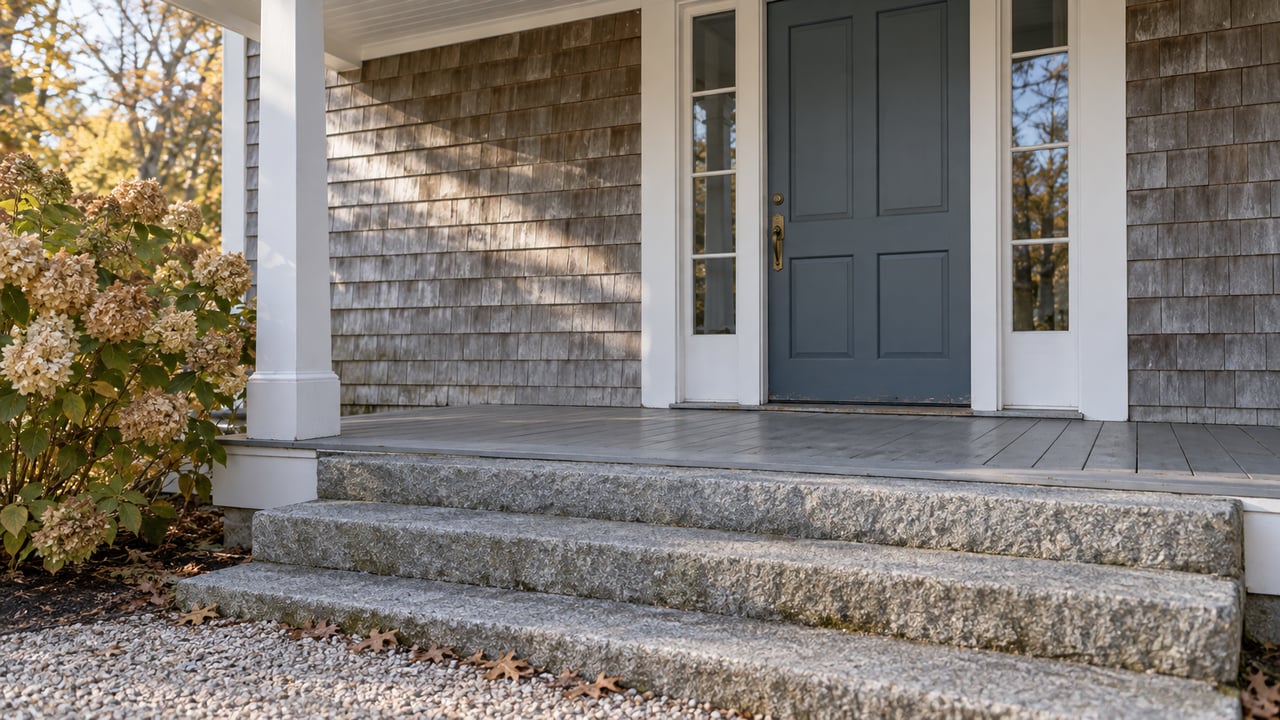
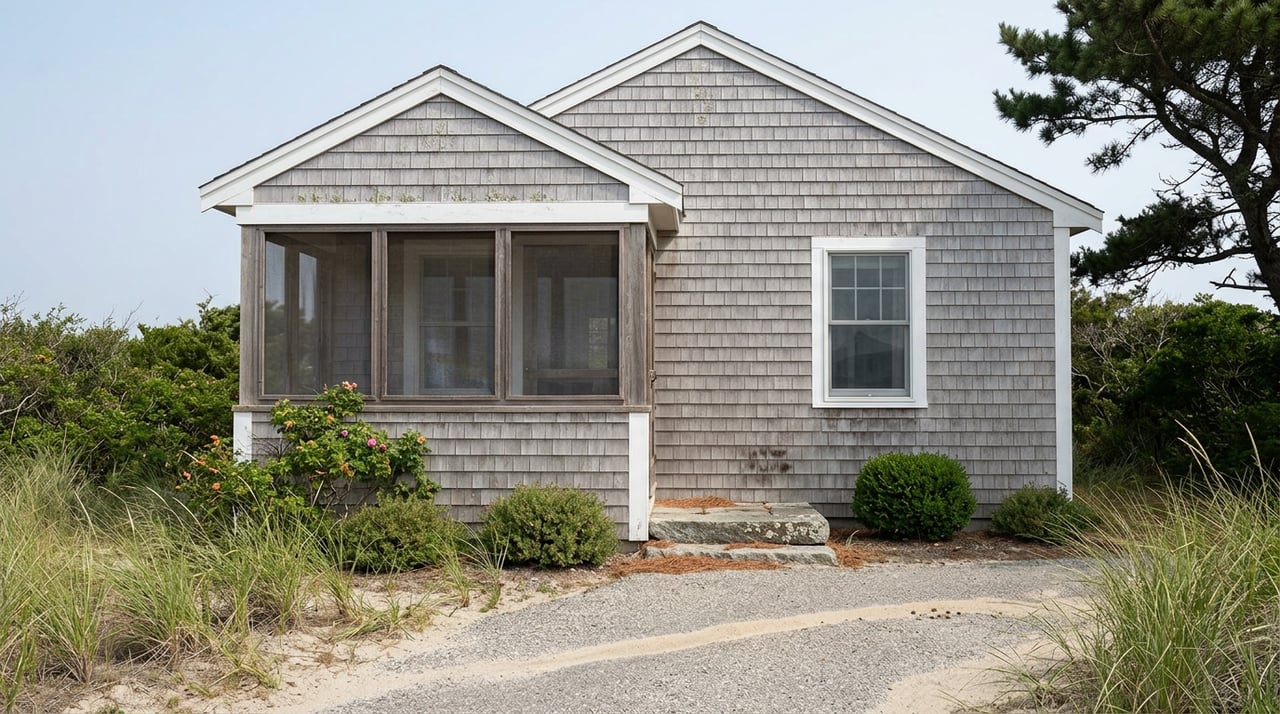
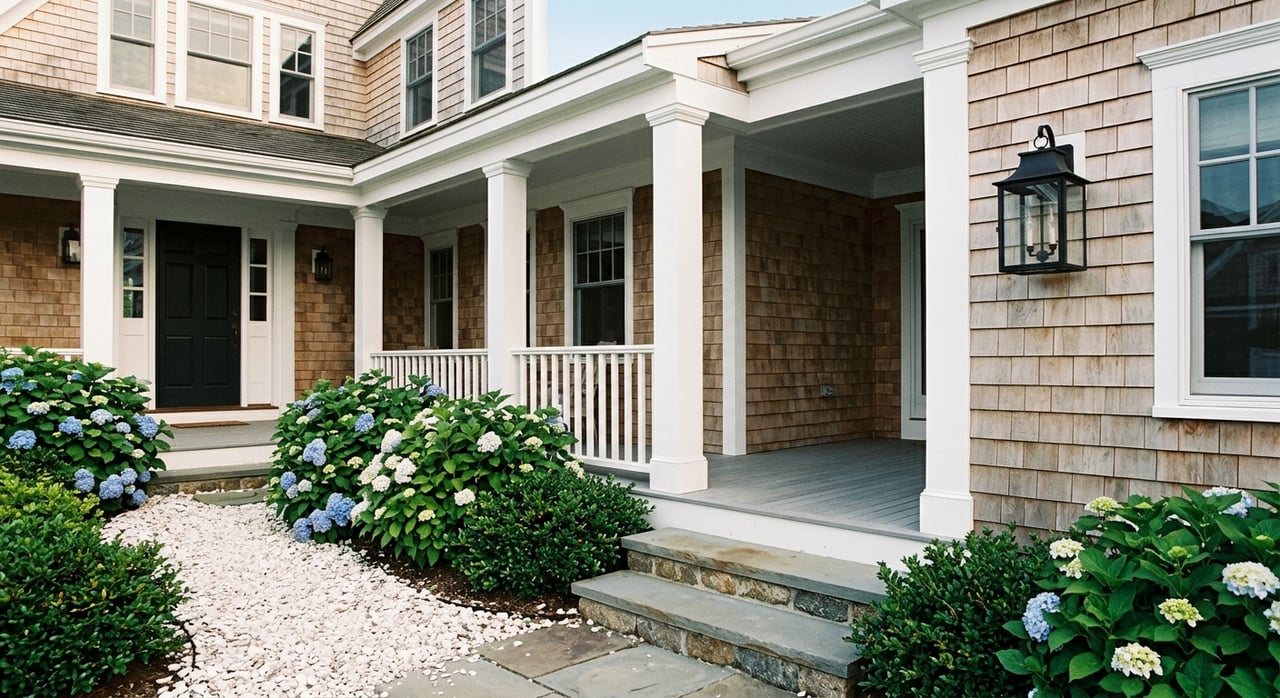
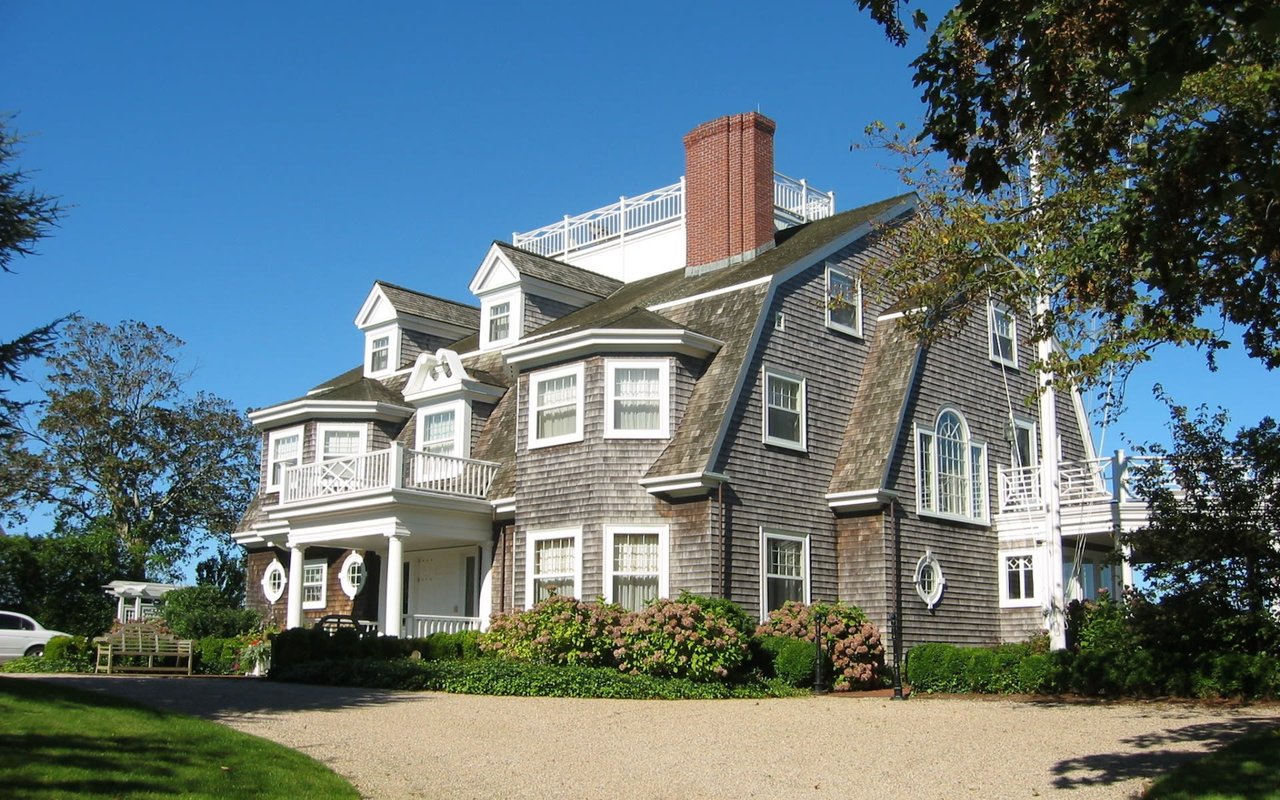
Dormers, windows and a porch were added, changing the appearance of the original structure while preserving much of its underlying character.
That layering of architectural history is typical of Cape Cod.
Many of the region's most interesting houses aren't frozen in one particular year.
They evolved as families changed, fortunes shifted and new generations adapted old structures.
Gorey and Yarmouth Port
Yarmouth Port is particularly well suited to someone like Gorey.
The village's Route 6A corridor contains a remarkable concentration of historic houses.
The Yarmouth Chamber describes the Captain's Mile as containing more than 50 former sea captains' homes.
Nearby is the Captain Bangs Hallet House, another historic sea captain's residence preserved as a museum.
The result is a village where historic architecture isn't confined to one museum.
It forms the fabric of the neighborhood.
What Makes the Edward Gorey House Unique?
The Gorey House is particularly compelling because the building and its former occupant complement each other.
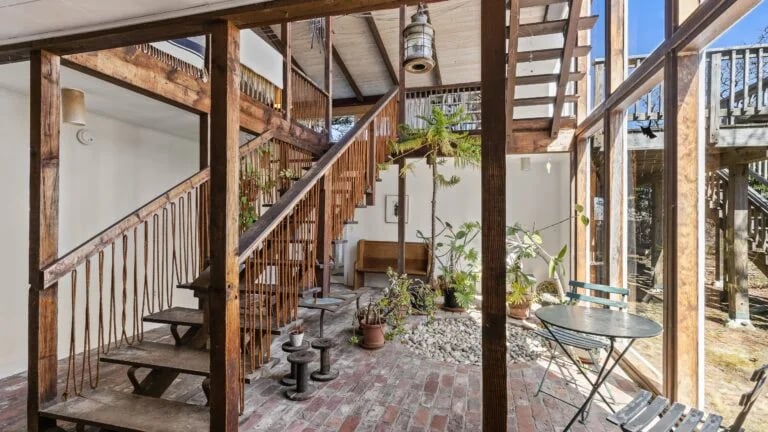
The home is historic, slightly eccentric and full of visual character.
So was Gorey's work.
The museum's mission is to preserve both his life and his work, and the house itself reflects his personality and creative world.
This is one reason historic houses can be so powerful as real-estate stories.
Architecture creates the setting.
The people who live there create the next layer.
The Real Estate Lesson Behind the Gorey House
The Edward Gorey House is not a luxury real-estate listing.
But it offers an important lesson for anyone interested in buying an historic Cape Cod property.
Character is difficult to reproduce.
You can renovate a kitchen.
You can add a pool.
You can improve landscaping.
But you cannot easily recreate:
- An authentic historic setting
- Original architectural proportions
- A centuries-old village context
- A property's relationship to local history
- The patina that develops over generations
That is one reason historic properties can have such strong emotional appeal.
The Cape Cod Commission has identified more than 14,000 historic structures across Cape Cod, emphasizing the importance of historic architecture to the region's identity.
Living Along Historic Route 6A
For buyers who love the Edward Gorey House story, Yarmouth Port offers an interesting alternative to the Cape's better-known waterfront enclaves.
Route 6A passes through some of Cape Cod's most historically significant villages.
The Cape Cod Commission describes the corridor as a 34-mile stretch containing multiple National Register historic districts and a remarkable variety of architecture.
That makes Yarmouth Port particularly attractive to buyers who want historic character without necessarily needing direct waterfront.
The House Today
The Edward Gorey House is now a museum dedicated to preserving Gorey's legacy.
The museum's 2026 season runs from April through December, with exhibits and tours offered to visitors.
For anyone interested in Cape Cod architecture, art or literary history, it is one of the more distinctive cultural properties on the Mid-Cape.
Why the Edward Gorey House Still Matters
The most interesting thing about the Edward Gorey House may be that it doesn't feel like a monument.
It feels like a home.
That's part of the magic of Cape Cod.
The region's history isn't confined to museums and historical markers. It lives in houses, streets, gardens and villages.
And for today's buyers, that is part of the appeal.
A historic Cape Cod home isn't simply a structure.
It can be a connection to the generations that came before.
Frequently Asked Questions
Where is the Edward Gorey House?
It is located at 8 Strawberry Lane in Yarmouth Port, Massachusetts.
When did Edward Gorey buy the house?
Gorey purchased the property in 1979.
How old is the Edward Gorey House?
The original house dates to approximately 1820.
Can you visit the Edward Gorey House?
Yes. The property operates as a museum, with seasonal visiting hours.