Are you thinking about trading a Boston routine for Cape Cod living without giving up the basics of daily life? Falmouth is one of the few Cape towns that can make that move feel realistic year-round, but it comes with tradeoffs you should understand before you buy. If you want a clear view of what daily living in Falmouth actually looks like, from convenience and neighborhood feel to traffic and seasonal shifts, this guide will help you sort through it. Let’s dive in.
Why Falmouth Works Year-Round
Falmouth has a strong full-time residential base, even though summer demand still shapes how the town feels and functions. The U.S. Census Bureau’s July 1, 2024 estimate put Falmouth’s population at 33,227, with 14,890 households and an 81.6% owner-occupied housing rate.
That matters if you are coming from Boston and want more than a vacation-market atmosphere. Census data also shows that 90.4% of residents lived in the same house one year earlier, which points to a fairly stable year-round community rather than a place that fully empties out after Labor Day.
For many buyers, remote or hybrid work is part of the equation. Falmouth appears well set up on that front, with 95.3% of households having a computer and 92.3% having broadband, according to the Census Bureau.
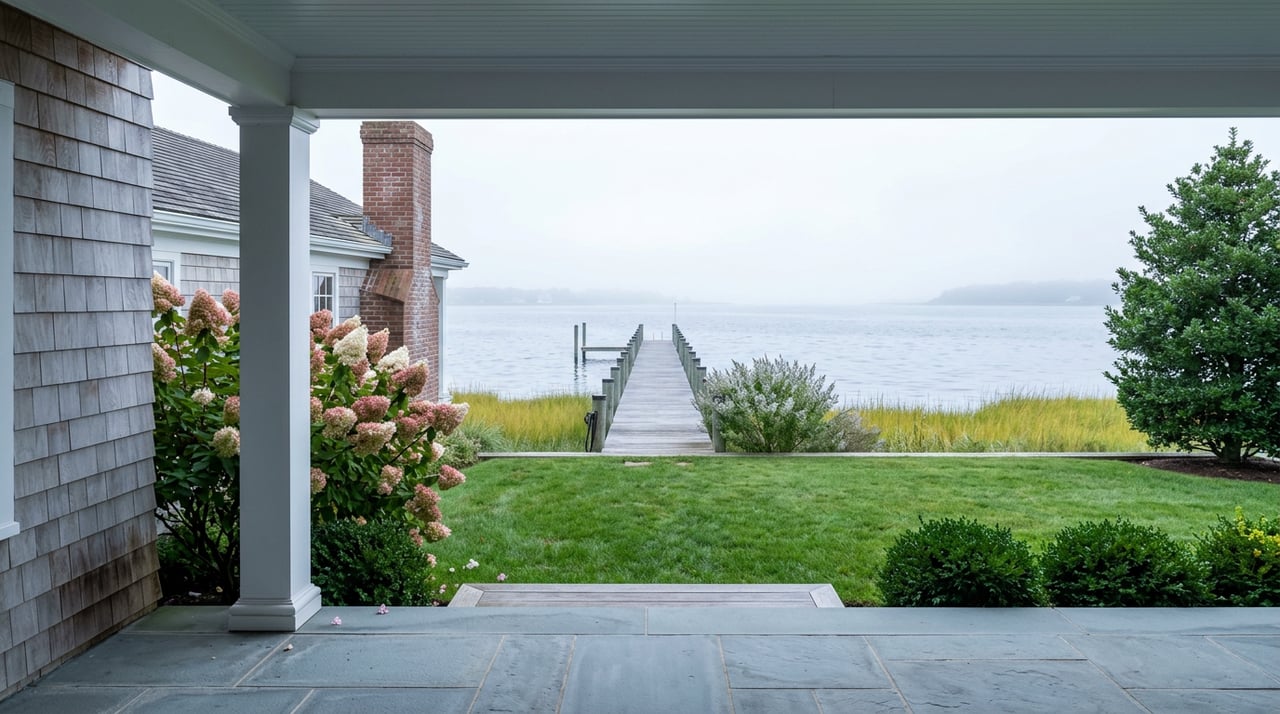
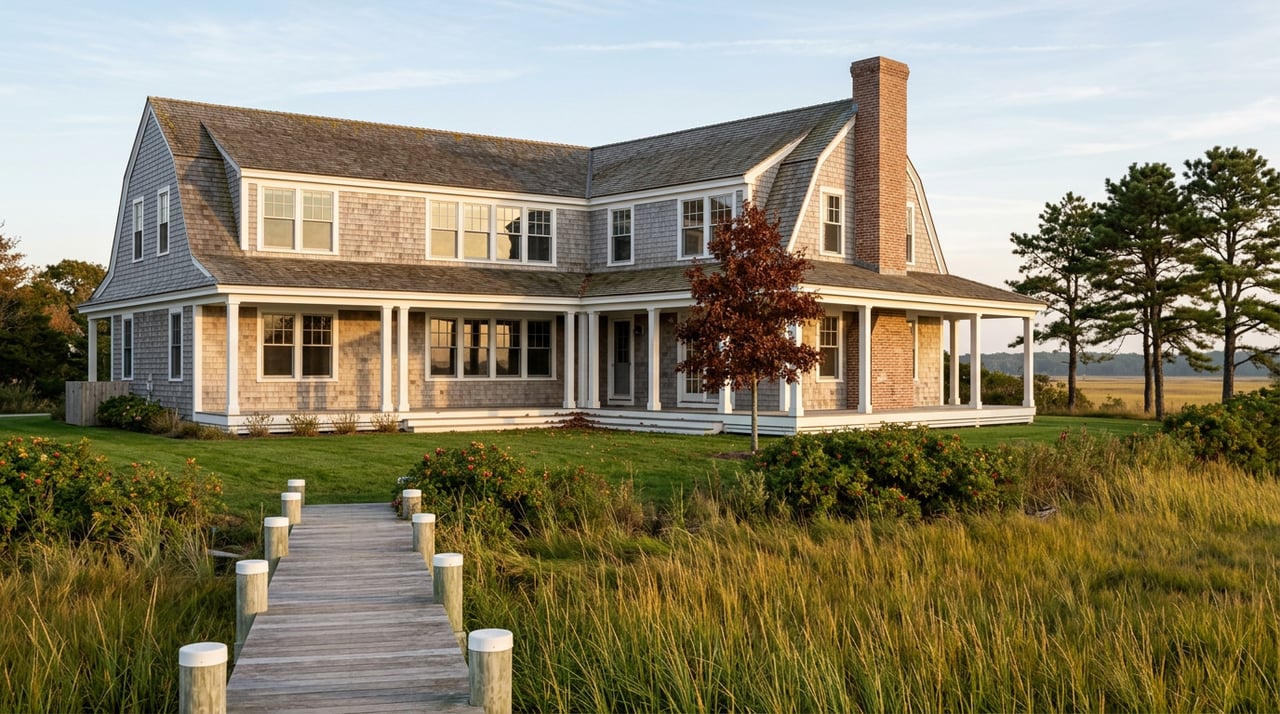
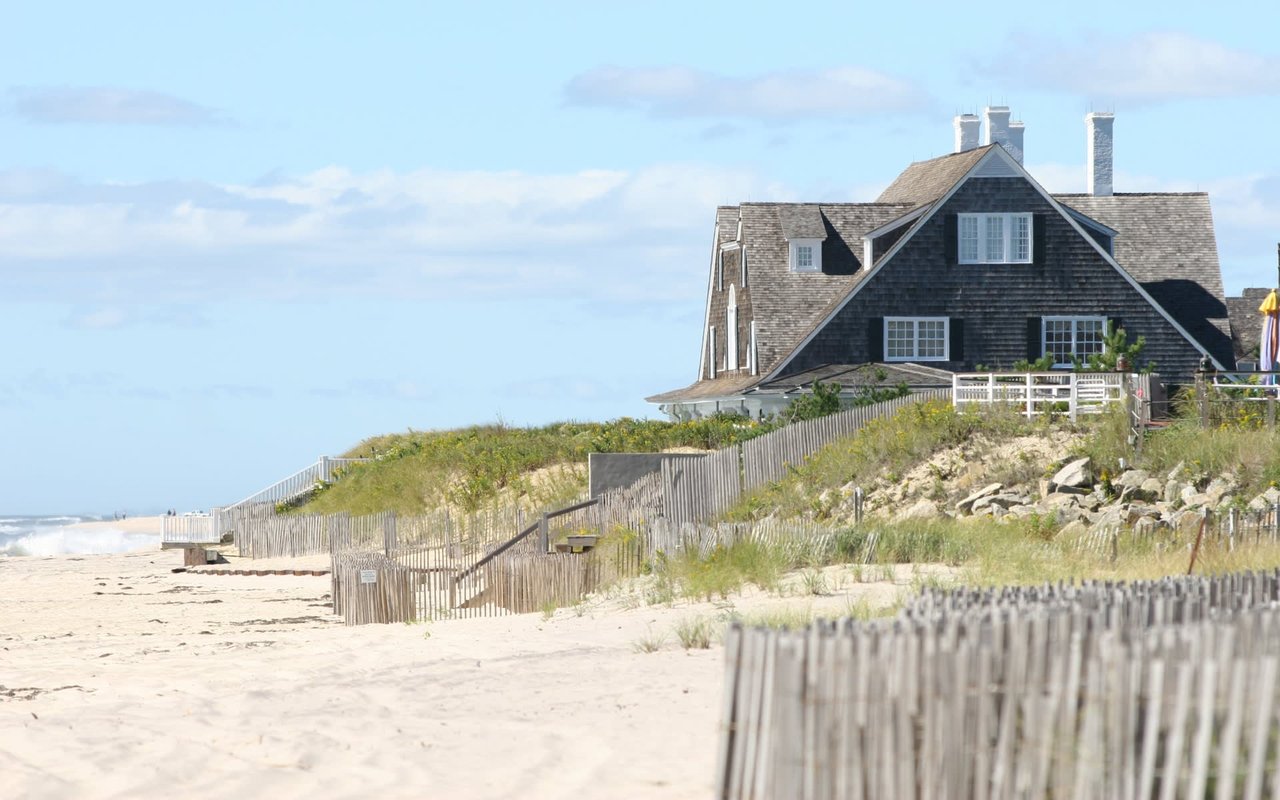
The town’s own planning documents reinforce the same story. Falmouth describes itself as the second-largest municipality on Cape Cod, with 68 miles of shoreline, 10 public beaches, and year-round infrastructure tied to Woods Hole, downtown, and the road network connecting East Falmouth, West Falmouth, Woods Hole, and the town center.
What Daily Life Feels Like
If your goal is to live on the Cape full-time, the biggest question is often simple: can you run normal errands easily in every season? In Falmouth, the answer is most clearly yes in and around Falmouth Village and the downtown core.
Town materials describe Falmouth Village as the commercial and institutional center of town, with the Village Green at its heart and residential neighborhoods around it. That mix gives you a more grounded daily rhythm than you might expect from a coastal market known for summer activity.
The library system is a good example of year-round functionality. The Main Library at 300 Main Street operates throughout the year, and East Falmouth and North Falmouth branches add local access in other parts of town.
Downtown planning efforts also show that the town manages this area as an active all-season district, not just a summer destination. Falmouth’s downtown parking and wayfinding work is designed to support motorists, transit riders, pedestrians, and bicyclists, and town reports note that parking demand exists throughout the calendar year.
Falmouth Village: The Easiest Transition
For many Boston-area buyers, Falmouth Village may feel like the smoothest shift into Cape living. It offers the most direct access to civic services, Main Street businesses, the library, and a walkable daily pattern.
If you are used to doing multiple errands in one trip, town planning around a “park once, walk a little” approach fits that lifestyle well. You may still rely heavily on your car compared with Boston, but this area offers one of the most practical setups for reducing short drives.
The town’s 2024 Housing Production Plan also identified downtown and the Davis Straits commercial corridor as strong locations for walkable mixed-use housing. That does not guarantee any specific home type or availability, but it does show where the town sees year-round living potential.
Seasonal Realities to Expect
Living in Falmouth full-time does not mean every month works the same way. The town’s Complete Streets materials are direct about the fact that the transportation system faces significant seasonal challenges from both harsh New England winters and the summer influx of visitors.
If you are moving from Boston, this is one of the biggest mindset shifts. Falmouth can absolutely function as a primary residence, but you should expect a car-first lifestyle with seasonal variation in travel times, parking, and how busy certain areas feel.
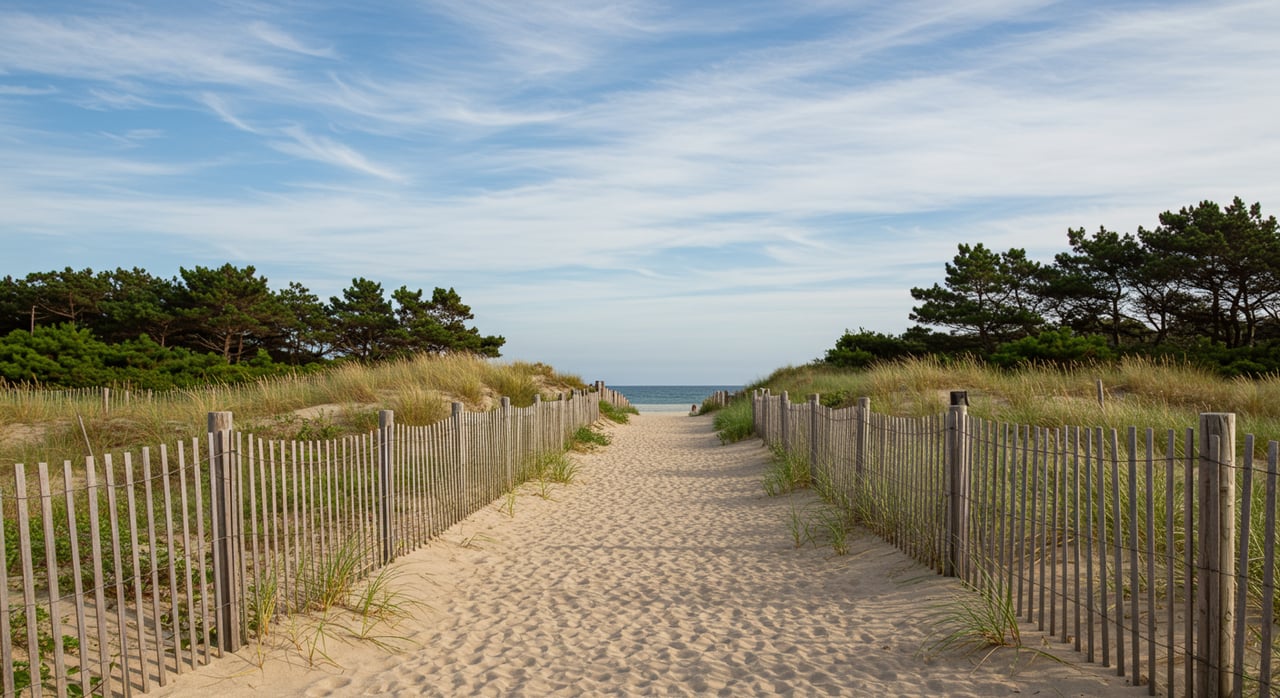
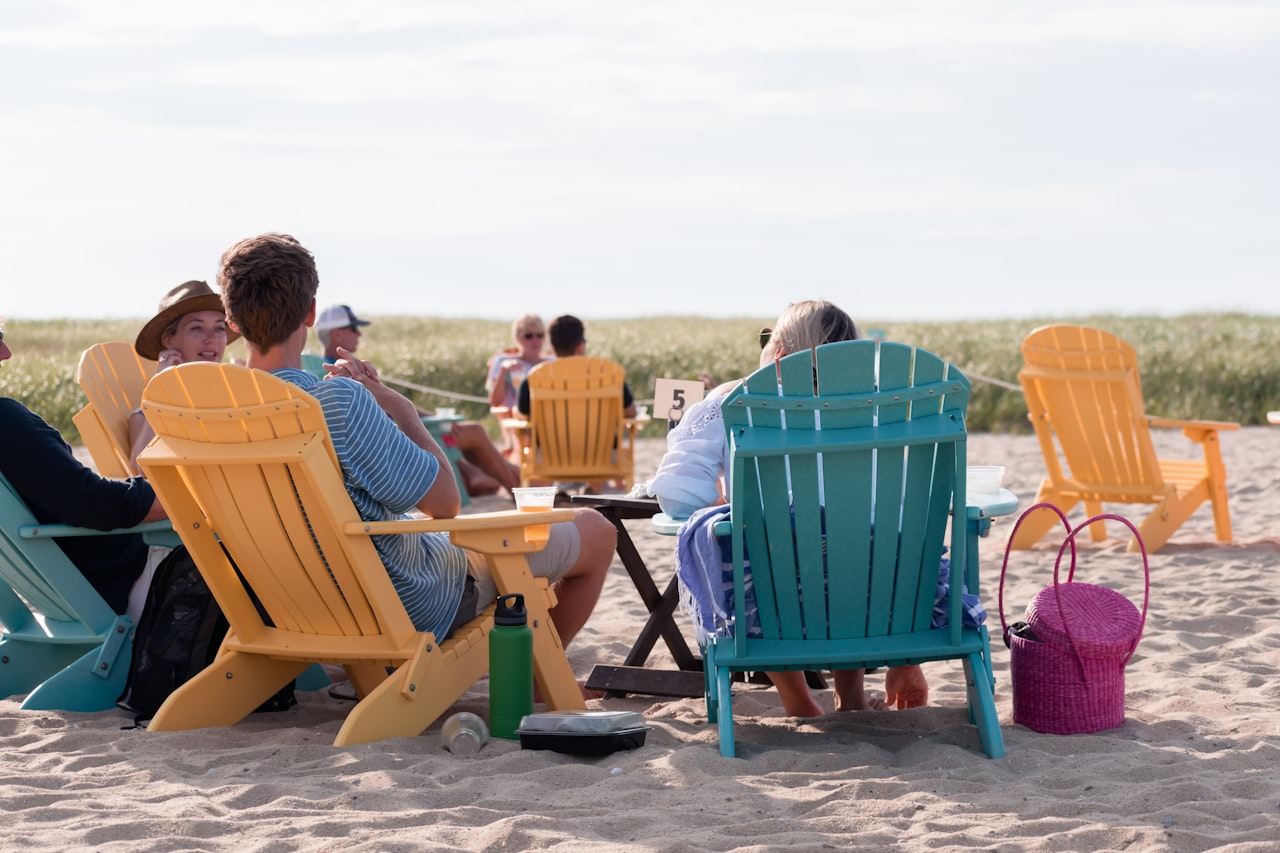
Beach access is one clear example. The town says beach parking stickers are required for summer parking in beach lots, but they are not needed from about the second week of September through mid-June.
That seasonal pattern can be a benefit if you enjoy the shoulder seasons. Many full-time residents find that fall, winter, and spring offer a quieter pace while still keeping the coastline close to everyday life.
Commuting and Transportation From Boston
This is where expectations matter. Falmouth is not a rail-based commuter town in the way many Boston buyers may be used to.
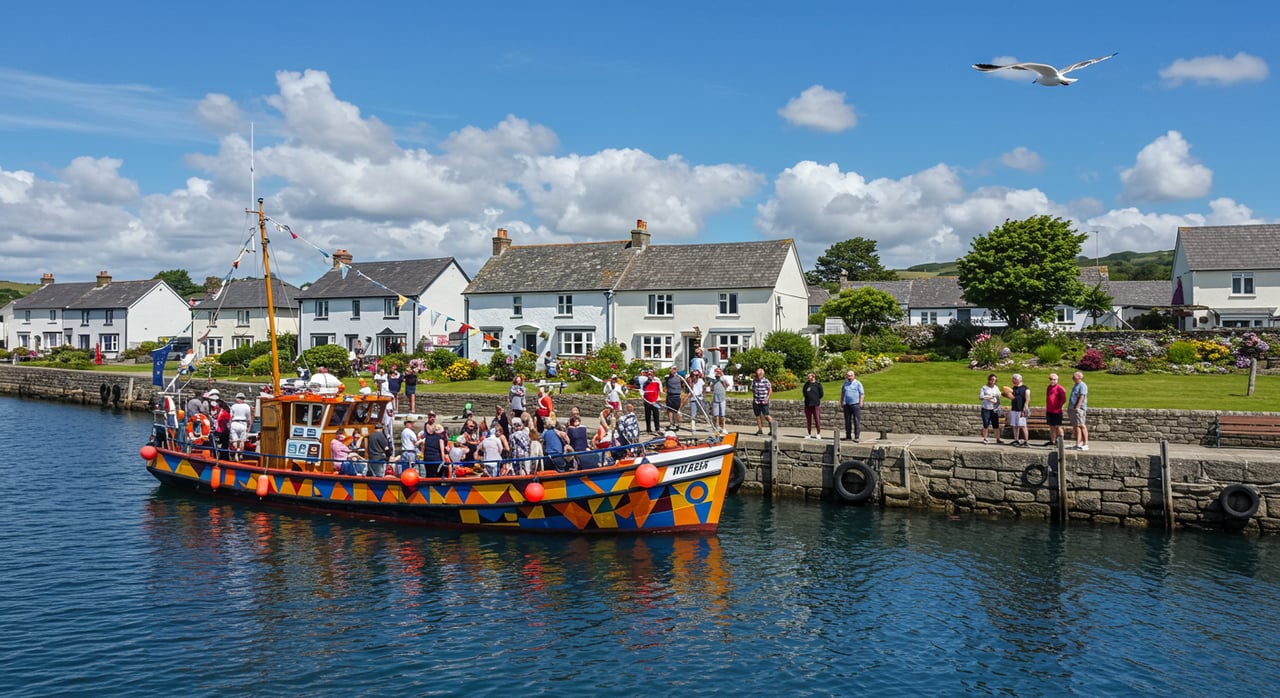
CCRTA fixed routes serve Falmouth, and the Whoosh Trolley runs from late June through Labor Day, connecting spots including Falmouth Mall, Route 28, the village core, the bike path, Woods Hole shops and restaurants, and the Steamship Authority ferry terminal. That can be useful locally, especially in summer, but it is not the same as having a commuter rail system built around daily Boston travel.
Road traffic is also highly seasonal. Official Cape Cod transportation studies found that summer daily traffic on the Bourne Bridge is 49% higher than non-summer traffic, and summer daily traffic on the Sagamore Bridge is 59% higher.
Those same studies found that congestion often stretches into the shoulder seasons, with Route 6 westbound especially congested on summer Sundays. If your work requires frequent fixed-time trips to Boston, that variability is important to think through before you commit.
Woods Hole: Active, Coastal, Connected
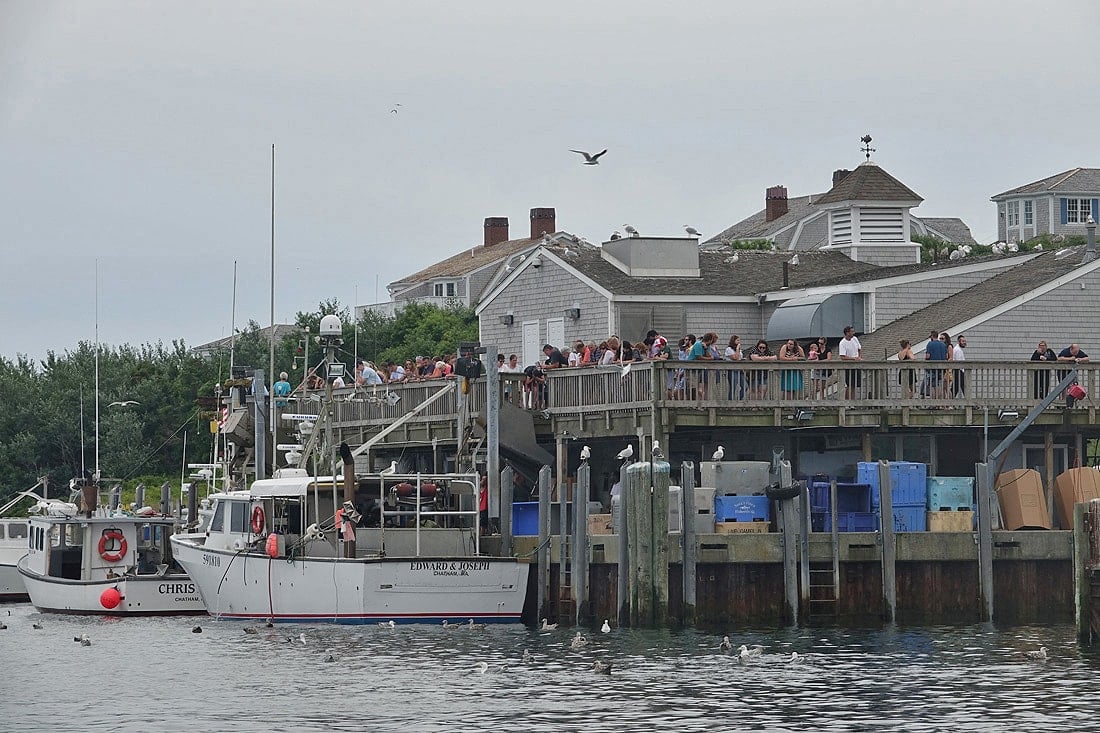
Woods Hole offers a very specific kind of year-round energy. It combines the working waterfront, ferry traffic, and scientific institutions with a village setting that can feel both local and seasonally busy.
Town materials identify major institutions here, including NOAA Fisheries, the Marine Biological Laboratory, and Woods Hole Oceanographic Institution. That gives Woods Hole more year-round activity than a purely seasonal village.
It also serves as a ferry gateway. The Steamship Authority provides year-round service from Woods Hole, and the trip to Martha’s Vineyard takes about 45 minutes.
For some buyers, that makes Woods Hole especially appealing because it feels connected and active beyond the summer-only cycle. The town’s 2024 housing feedback also pointed to smaller homes, condos, and year-round rentals as part of the local housing conversation here.
North Falmouth: Quieter, Residential, Practical
If you want a more residential feel, North Falmouth may deserve a closer look. Town historic-district materials describe it as a linear, semi-rural village with houses, barns, and relatively few commercial or institutional buildings.
That quieter profile can work well if you are less focused on being in the center of activity and more focused on space, routine, and a steadier neighborhood setting. The North Falmouth library branch and the northern end of the Shining Sea Bikeway add practical year-round assets.
Recent local housing investment also supports the idea that North Falmouth is part of the town’s broader year-round housing picture. The Falmouth Affordable Housing Fund has supported Megansett Crossing there, along with Scranton and Main in Falmouth Village.
West Falmouth: Coastal and More Seasonal in Feel
West Falmouth offers a different atmosphere again. The town describes it as a Route 28A village with residential, commercial, and institutional buildings from the 18th through 20th centuries, along with agricultural land still in use.
Its history and setting give it a distinctly coastal identity. Town materials also note its rise as a summer destination, which helps explain why buyers may experience it as more seasonal in feel than the town center.
That does not make it less appealing. It simply means your day-to-day experience may feel more tied to the rhythms of a coastal village than to the convenience of downtown Falmouth.
How to Think About the Tradeoffs
For Boston buyers, Falmouth tends to work best when you value lifestyle as much as logistics. You may be gaining shoreline access, village character, and a slower daily pace, while giving up the predictability of a rail commute and some of the convenience of city density.
In broad terms, the most year-round-oriented options are often Falmouth Village and North Falmouth. Woods Hole offers more institutional activity and island access, while West Falmouth tends to lean more coastal and seasonal in character.
The good news is that the town is actively planning for more year-round housing and walkable mixed-use development. That suggests a long-term commitment to supporting full-time residents, not just seasonal demand.
If you are weighing a move from Boston to Falmouth, the right fit usually comes down to how you want your days to feel. If you want help comparing village convenience, neighborhood character, and the practical tradeoffs of different parts of town, the Guthrie Schofield Group can help you navigate the move with clear local insight.
FAQs
Is Falmouth, MA a good place for year-round living?
- Yes. Falmouth has a substantial full-time population, year-round civic infrastructure, and town planning that supports more year-round housing and walkable mixed-use areas.
What part of Falmouth is best for everyday convenience?
- Falmouth Village is generally the most convenient area for daily errands, library access, civic services, and a walkable routine.
What should Boston buyers know about commuting from Falmouth?
- Falmouth is more car-dependent than Boston, and bridge traffic can rise sharply in summer, with official studies showing significantly higher traffic volumes at the Bourne and Sagamore bridges.
Is Woods Hole a practical place to live full-time?
- Woods Hole can work well year-round if you want a village with ferry access, waterfront activity, and a strong institutional presence tied to major marine science organizations.
Does Falmouth feel busy all year?
- No. Falmouth has a real year-round base, but summer traffic, visitor activity, and beach parking rules create a different rhythm than fall, winter, and spring.
Are there year-round transit options in Falmouth?
- Yes, but they are limited compared with Boston. CCRTA fixed routes serve Falmouth year-round, while the Whoosh Trolley is seasonal and runs from late June through Labor Day.