If you price and market your Barnstable home like every part of town works the same way, you could leave money on the table. Barnstable is one town, but it functions as seven distinct villages, each with its own setting, housing mix, and buyer expectations. If you are getting ready to sell, understanding that difference can help you choose a smarter price, sharper timing, and a stronger story for your home. Let’s dive in.
Why village strategy matters in Barnstable
Barnstable’s planning framework is built around seven villages: Barnstable, Centerville, Cotuit, Hyannis, Marstons Mills, Osterville, and West Barnstable. The town’s current planning work specifically treats village character and village-level priorities as central, which tells you something important as a seller: buyers do not see every Barnstable address the same way.
That matters even more in a market with tight supply. Barnstable County ended 2025 with a median sales price of $739,000, 2.0 months of supply, 51 days on market, and 95.2% of original price received. Barnstable’s own housing profile placed the town median home sales price at $715,000 in 2025, which gives useful context, but not enough detail to price an individual home well.
Barnstable is also mostly single-family and mostly owner-occupied, with a meaningful seasonal share. Depending on the measure, roughly one-fifth to one-quarter of housing is seasonal or second-home related. That mix can shape both demand and timing, especially for coastal and lifestyle-driven properties.
Start with the right comp set
One of the biggest pricing mistakes in Barnstable is leaning too hard on town-wide averages. A home in Hyannis may compete for a very different buyer than a harbor-area property in Barnstable Village, a beach-area home in Centerville, or an acreage property in West Barnstable.
The better approach is to ask a simpler question: which village really sets your buyer pool? That answer should guide your comparable sales, pricing range, and marketing plan. In a town with different land-use patterns, property styles, and lifestyle priorities, village-specific comp selection is often more accurate than broad town-level benchmarking.
Village-by-village listing strategy
Hyannis listing strategy
Hyannis functions as Barnstable’s downtown and includes key activity centers such as Main Street, the harbor area, the medical center, Route 132, and transportation-related corridors. Its housing mix is different from the rest of town, with more balanced unit types and a larger renter share than Barnstable overall.
If you are listing in Hyannis, your buyer may be focused on convenience, access, and practicality. First-time buyers, investors, relocation households, and buyers who want a mixed-use setting may respond more to proximity, flexibility, and everyday function than to a classic coastal estate story.
Your marketing should highlight details like access to downtown areas, transportation connections, or a layout that fits year-round living. Pricing should reflect the fact that Hyannis sits in a different demand lane than the more preservation-driven or second-home-oriented villages.
Barnstable Village listing strategy
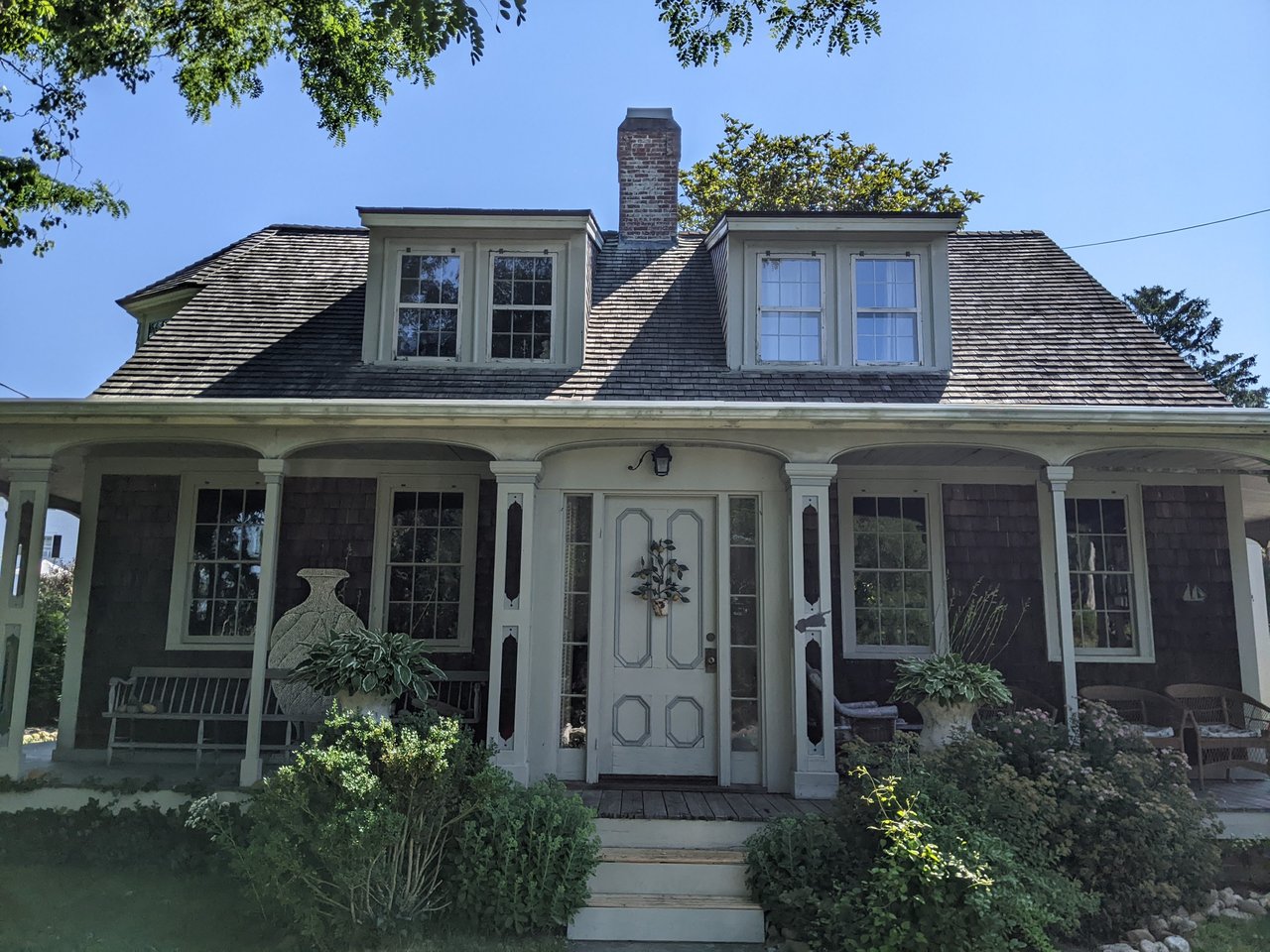
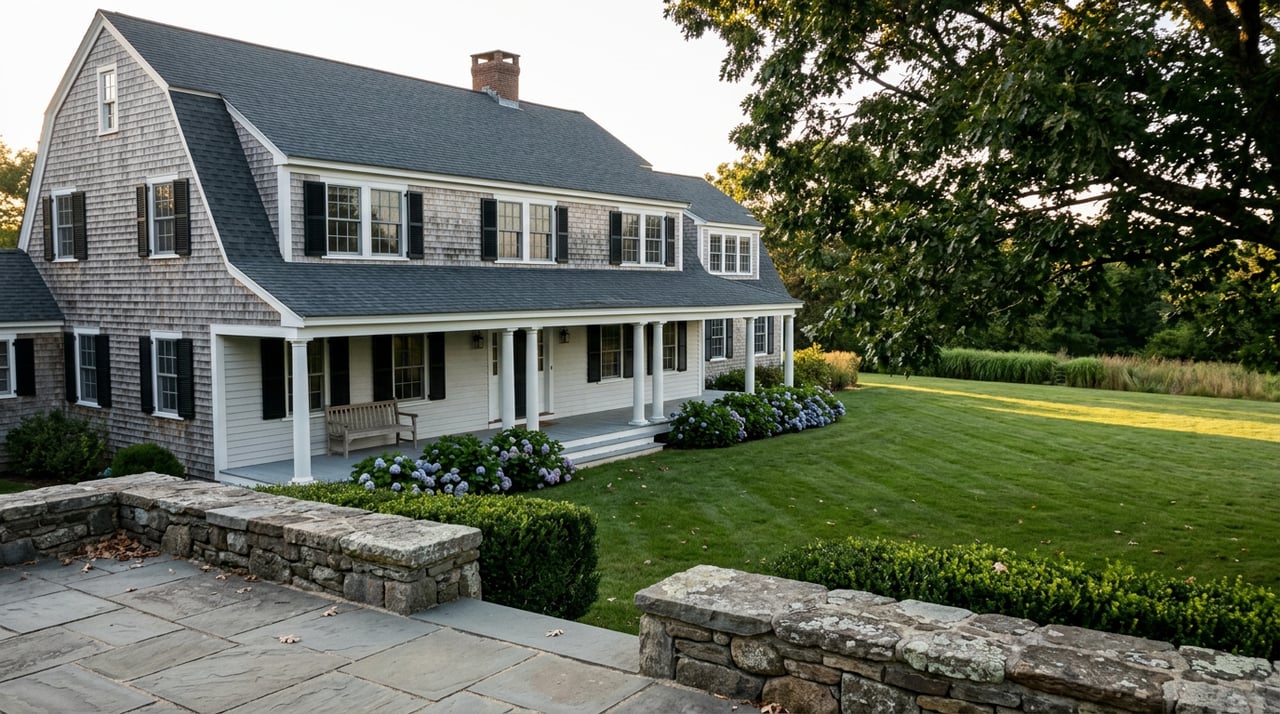
Barnstable Village is known for its harbor setting, historic landscapes, and ties to some of the Cape’s earliest settlement patterns. Buyers here are often drawn to architecture, preservation, and access to the harbor rather than just square footage alone.
If your home is in Barnstable Village, the details that may support value often include historic character, harbor proximity, setting, and the overall feel of the property within the village context. The right buyer may be a second-home purchaser, a waterfront user, or someone who values scenic character and legacy appeal.
Your listing story should be specific and grounded. Instead of generic language, focus on what makes the home fit Barnstable Village: setting, architecture, relationship to the harbor, and how the property lives within this historic area.
Centerville listing strategy
Centerville has a traditional New England village image and appeals to both year-round and summer residents. It is also close to built out, which can make existing homes in established settings especially important in the local market.
For a Centerville listing, buyers may respond strongly to neighborhood maturity, proximity to Main Street, and access to Craigville Beach or the Route 28 corridor. This village can appeal to established buyers, downsizers, and those looking for beach access without relying on new construction.
If you are selling here, your strategy should balance lifestyle with practicality. Condition, lot usability, and how close the home sits to the village’s known amenities can matter more than broad comparisons to homes elsewhere in town.
Osterville listing strategy
Osterville is framed as an attractive seaside village with a traditional summer-resort character and a commercial core that draws people from across the Cape and beyond. The town housing profile also identifies Osterville as one of Barnstable’s walkable activity centers.
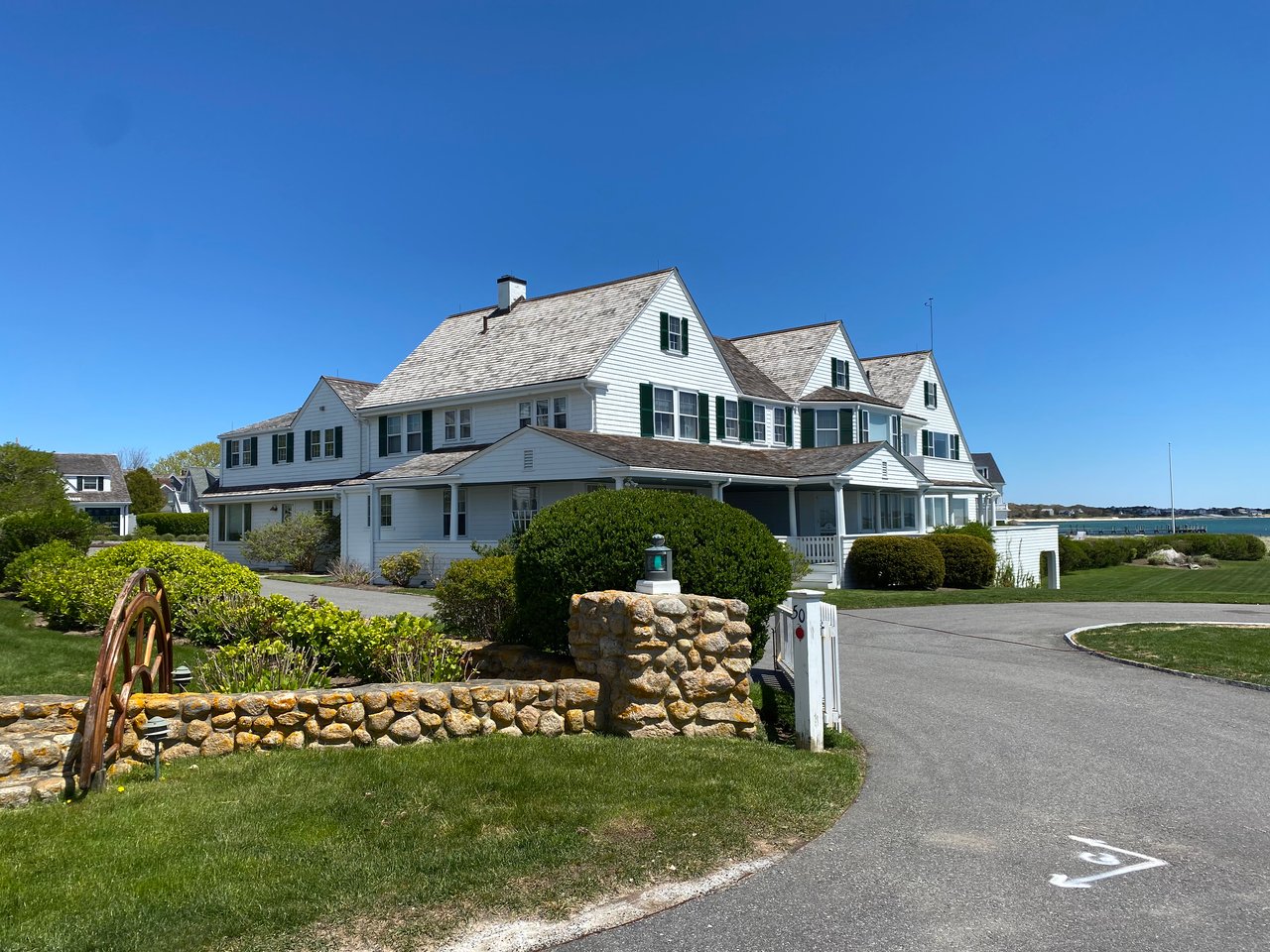
If your home is in Osterville, your likely buyer may be looking for village-center walkability, coastal access, and a refined setting. This can include luxury year-round buyers and second-home buyers who care as much about the surrounding experience as they do about the house itself.
That means presentation matters. Pricing still needs discipline, but the marketing story should often lean into village identity, polish, and the lifestyle value of the setting.
Cotuit listing strategy
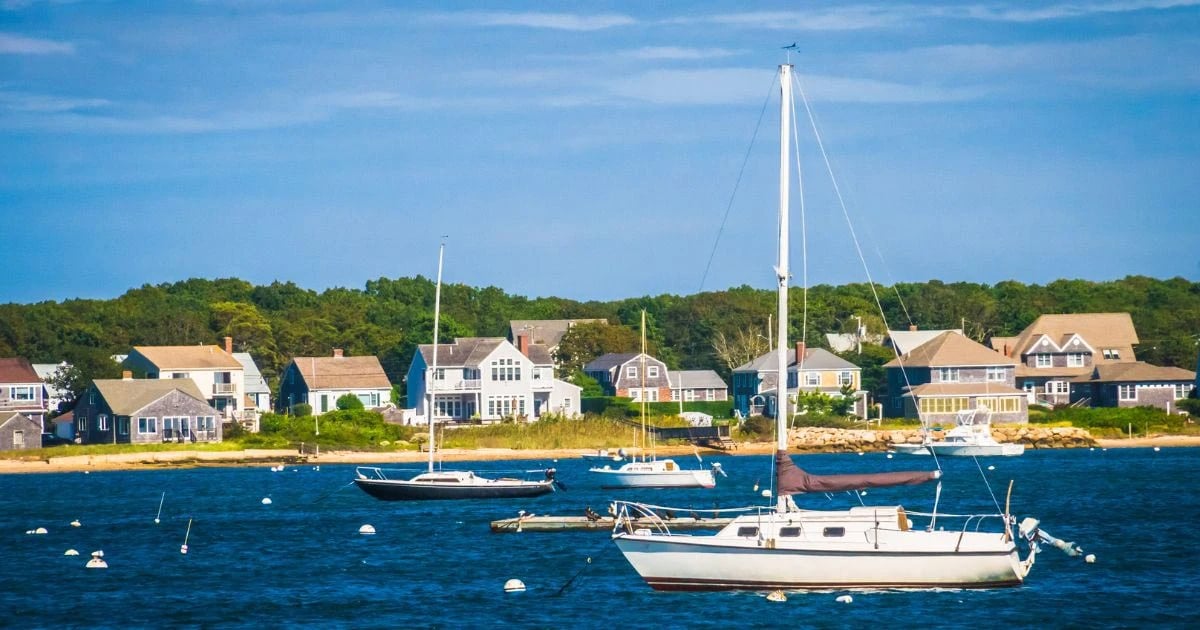
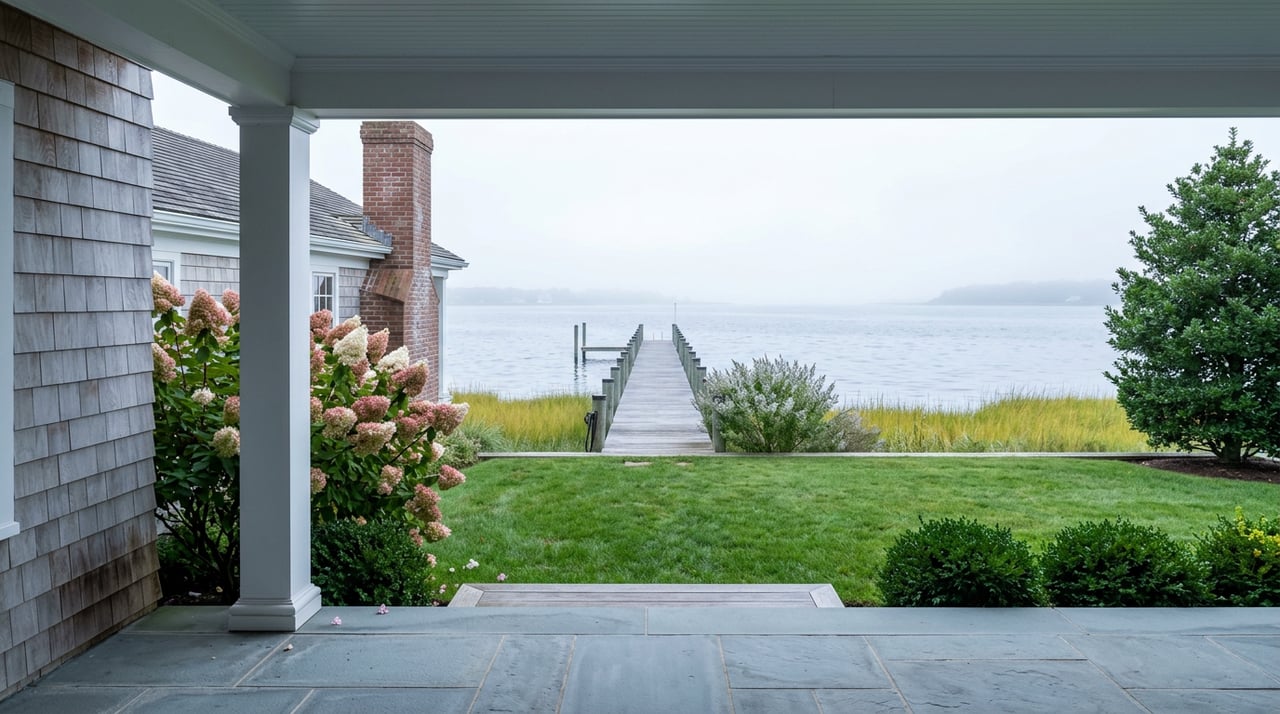
Cotuit is one of Barnstable’s smallest villages and is largely surrounded by water. Its plan points to about 12 miles of coastline, eight town-owned beaches, landings, or ways to water, and a strong arts and civic identity.
Buyers in Cotuit may be drawn to privacy, boating, shellfishing, and a quieter village feel. They may also value community character and the lower-intensity residential environment more than larger-scale commercial access.
If you are listing in Cotuit, your marketing should emphasize the features that match that buyer mindset. Water access, boating utility, village identity, and the home’s sense of retreat can all shape how buyers view value.
Marstons Mills listing strategy
Marstons Mills has a more rural village character and has historically appealed to young families buying first homes. It is often seen as a more practical, year-round setting, with attention to space, utility, and lower-density living.
For sellers, that means the buyer conversation may focus less on summer prestige and more on everyday livability. Homes here may appeal to move-up households and buyers who want more space for the money than they may find in some coastal villages.
Your pricing and presentation should reflect that reality. A clean, well-prepared home with useful space and strong condition may matter more here than a purely seasonal launch strategy.
West Barnstable listing strategy
West Barnstable is known for its open-land, rural, and historic character. The village remains predominantly year-round, and planning documents note that the area is not suited to large-scale development because of infrastructure and drainage limitations.
If your home is in West Barnstable, your buyer may prioritize privacy, acreage, and scenic setting over walkable village-center density. These homes often live in their own category, especially when lot size and surrounding landscape shape the experience.
That makes comp selection especially important. A buyer comparing West Barnstable is often not comparing it to a denser coastal village at all, so your pricing should respect the property’s true peer group.
How seasonality should affect your timing
Barnstable is not a purely seasonal market, but seasonality still matters. The town has a meaningful seasonal housing share, and employment rises in the summer months, which supports the idea that second-home and lifestyle buyers become more active as the season approaches.
If you are selling a second-home, waterfront, or strongly lifestyle-driven property, listing before late spring or early summer may help you catch buyers who want to use the home during the season. This can be especially relevant in villages like Barnstable Village, Centerville, and parts of Osterville and Cotuit, where coastal and summer-use appeal can shape demand.
For more year-round, function-oriented homes, readiness may matter more than a narrow calendar window. In places like Hyannis and Marstons Mills, a well-priced, well-prepared home can still perform outside the classic spring rush because supply remains tight.
What features justify a premium
In Barnstable, not every upgrade carries the same weight in every village. The premium features that matter most usually connect back to village identity and buyer priorities.
A Hyannis property may earn attention for convenience, layout, and access. A Barnstable Village home may get stronger interest because of harbor setting or historic architecture. In Cotuit or Osterville, water access and village lifestyle can shape buyer emotion, while in West Barnstable, land and privacy may do more of the heavy lifting.
This is why broad pricing formulas often miss the mark. The question is not just whether your home has a feature, but whether that feature matters to the buyer most likely to choose your village.
Build your marketing around the right story
A strong Barnstable listing usually starts with the right story. Not a generic luxury pitch, and not a one-size-fits-all Cape Cod description, but a clear message about why your property fits its village.
That story might center on connectivity and ease in Hyannis. It might focus on harbor character in Barnstable Village, beach access in Centerville, seaside polish in Osterville, water-oriented privacy in Cotuit, practical space in Marstons Mills, or rural setting in West Barnstable.
When the story matches the property and the village, buyers tend to understand the value faster. That can support better showing activity, stronger engagement, and more confidence in pricing.
The bottom line for Barnstable sellers
The smartest way to list a Barnstable home is to treat location inside the town as a strategy decision, not just a mailing address. Village identity affects your comp range, your ideal buyer, your timing, and the features you should spotlight.
In a market with low supply and a meaningful seasonal layer, sellers often benefit from careful pricing and sharp positioning from day one. If you start with the right village lens, you give your home a better chance to stand out for the right reasons.
If you are preparing to sell in Barnstable and want a strategy tailored to your village, buyer profile, and property story, connect with Guthrie Schofield Group.
FAQs
How should you price a home in Barnstable, MA?
- You should start with village-specific comparable sales, because a town-wide median does not fully reflect differences between Hyannis, Osterville, Cotuit, West Barnstable, and the other villages.
Does seasonality affect home sales in Barnstable, MA?
- Yes. Barnstable is active year-round, but second-home and lifestyle properties may benefit from being listed before late spring or early summer when seasonal demand tends to rise.
Which Barnstable village matters most for your listing strategy?
- The village where your home is located usually matters a great deal, because buyer expectations, pricing ranges, and marketing themes vary across Barnstable’s seven villages.
What should you highlight when marketing a Barnstable home?
- You should focus on the features that best match your village, such as convenience in Hyannis, harbor or historic character in Barnstable Village, beach access in Centerville, or privacy and land in West Barnstable.
Is Barnstable a low-inventory housing market?
- Yes. Barnstable County ended 2025 with 2.0 months of supply, which supports the need for disciplined pricing and strong initial positioning rather than guesswork.
Why do village-level comps matter in Barnstable, MA?
- They matter because Barnstable has distinct village identities, different housing patterns, and different buyer pools, so the most accurate value picture usually comes from the right local peer set.