Quick answer: Harwich Port is one of the strongest real estate markets on Cape Cod. Home values have roughly doubled since 2020: for non-waterfront single-family homes, the median sale price rose from $695,000 to $1.3 million, even as the number of homes for sale shrank. Tight supply, cash buyers, a prime location between Chatham and Dennis, a relatively low tax rate and year-after-year vacation demand keep pushing values up. For investors, that adds up to strong appreciation, durable rental demand and a village people never stop wanting to be in. The key is being ready to move when the right property comes along.
In this guide:Why the boom continues · The numbers · Investment strategies · The rules · Costs · Financing · Why investors choose it · FAQ
Why is Harwich Port's real estate market booming?
Several forces are working together, and most of them aren't going away.
- Very little supply. Closed sales in Harwich Port fell from 94 in 2020 to 39 in 2026 (through mid-November). Owners are holding on, and as of mid-November only 18 homes and condos were active or under agreement.
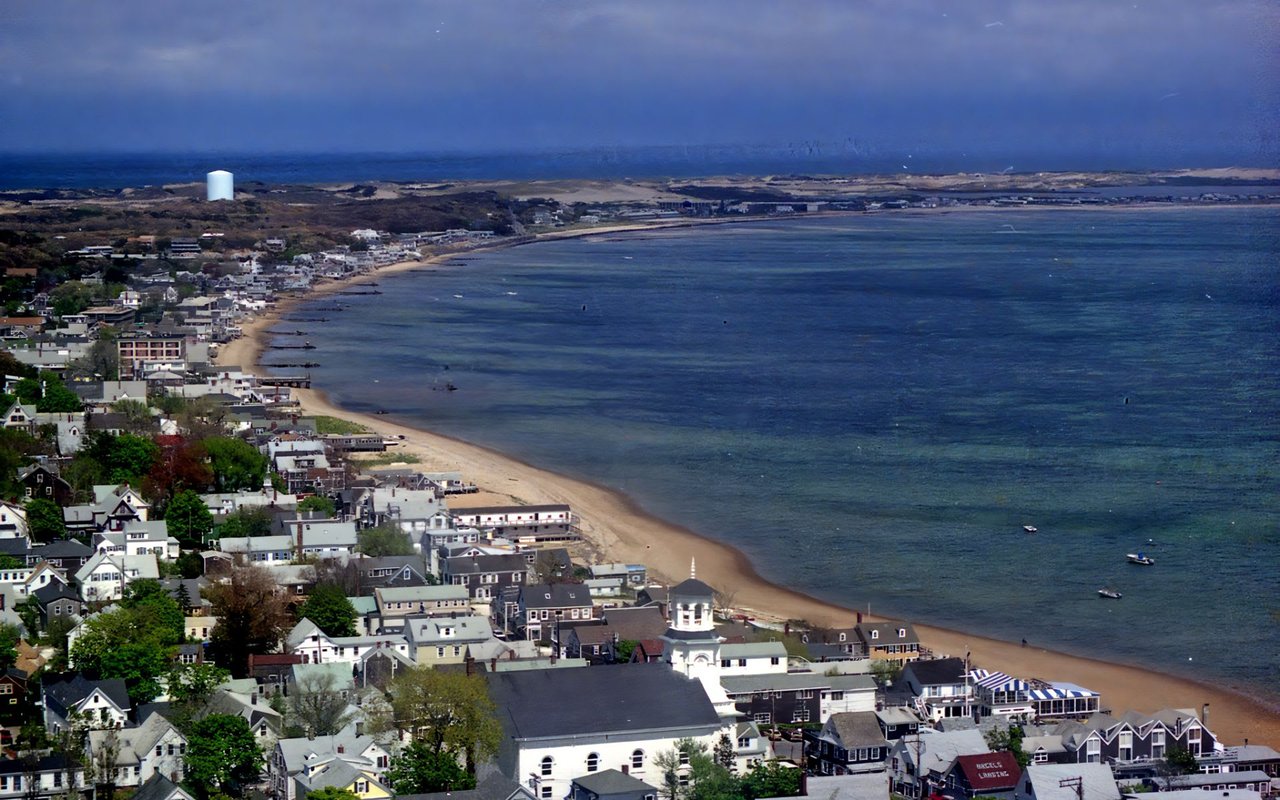
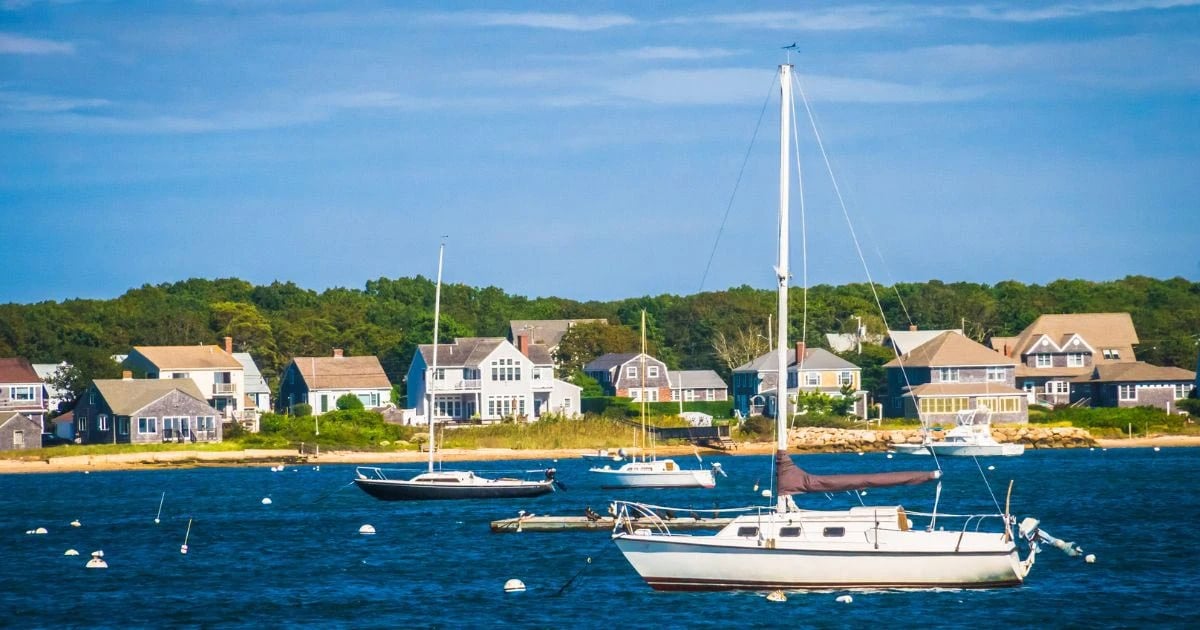
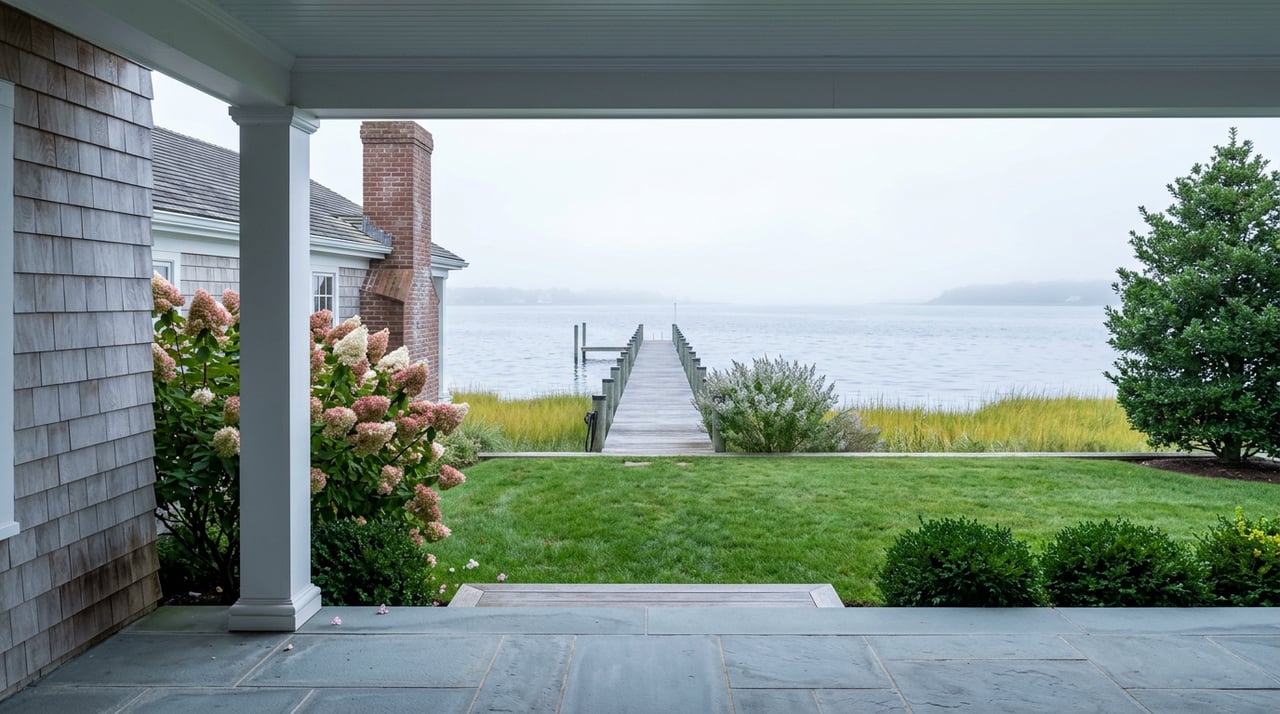
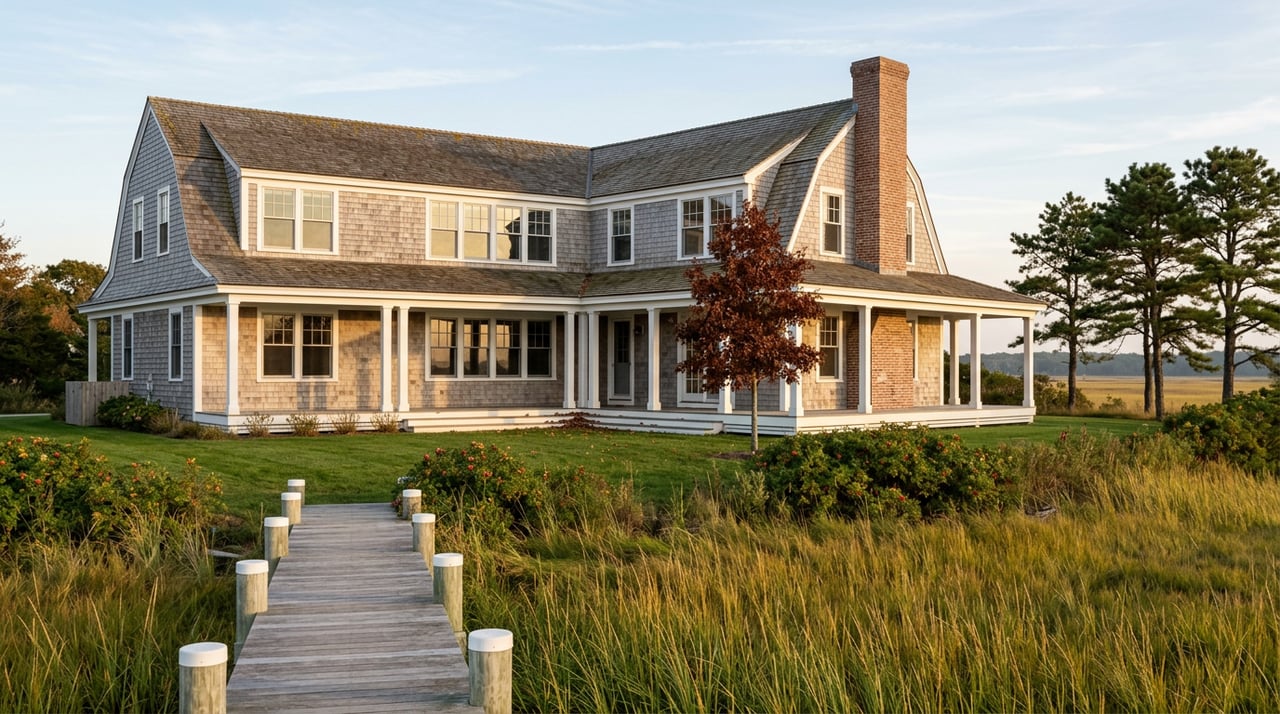
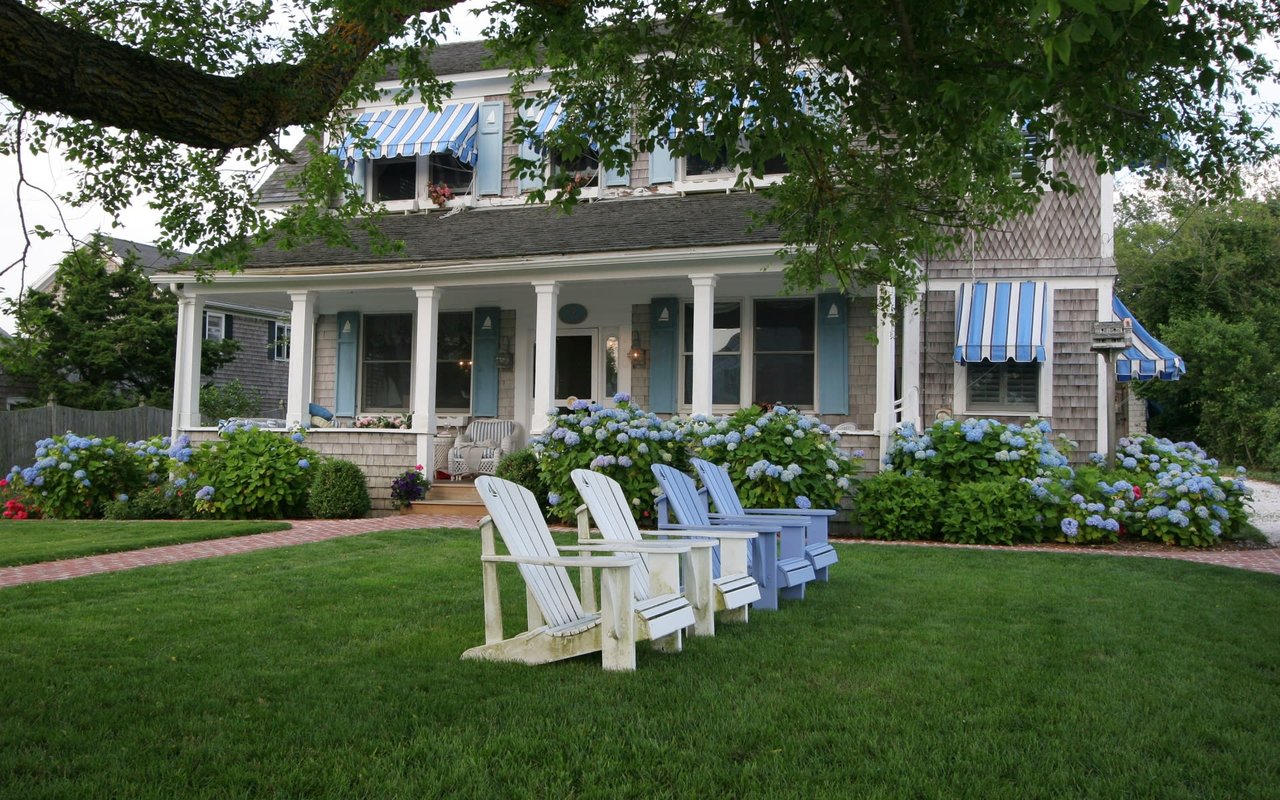
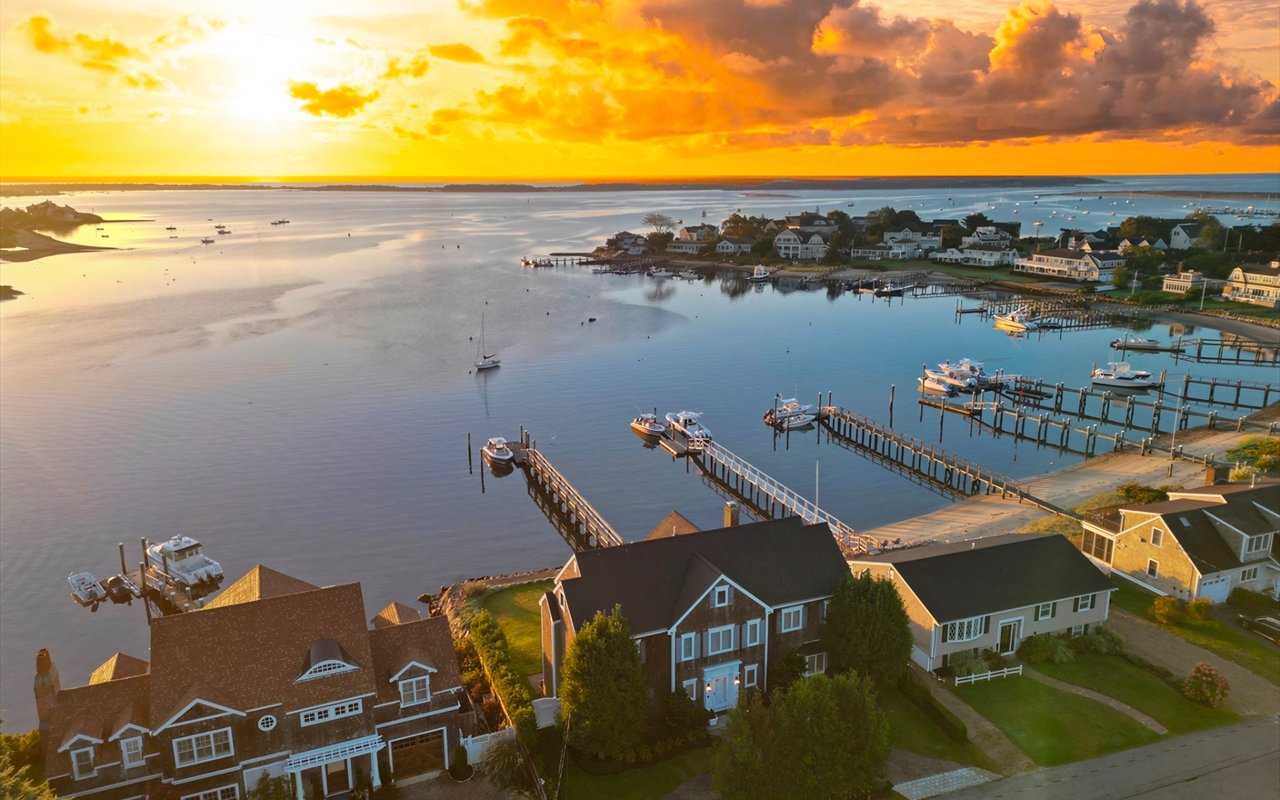
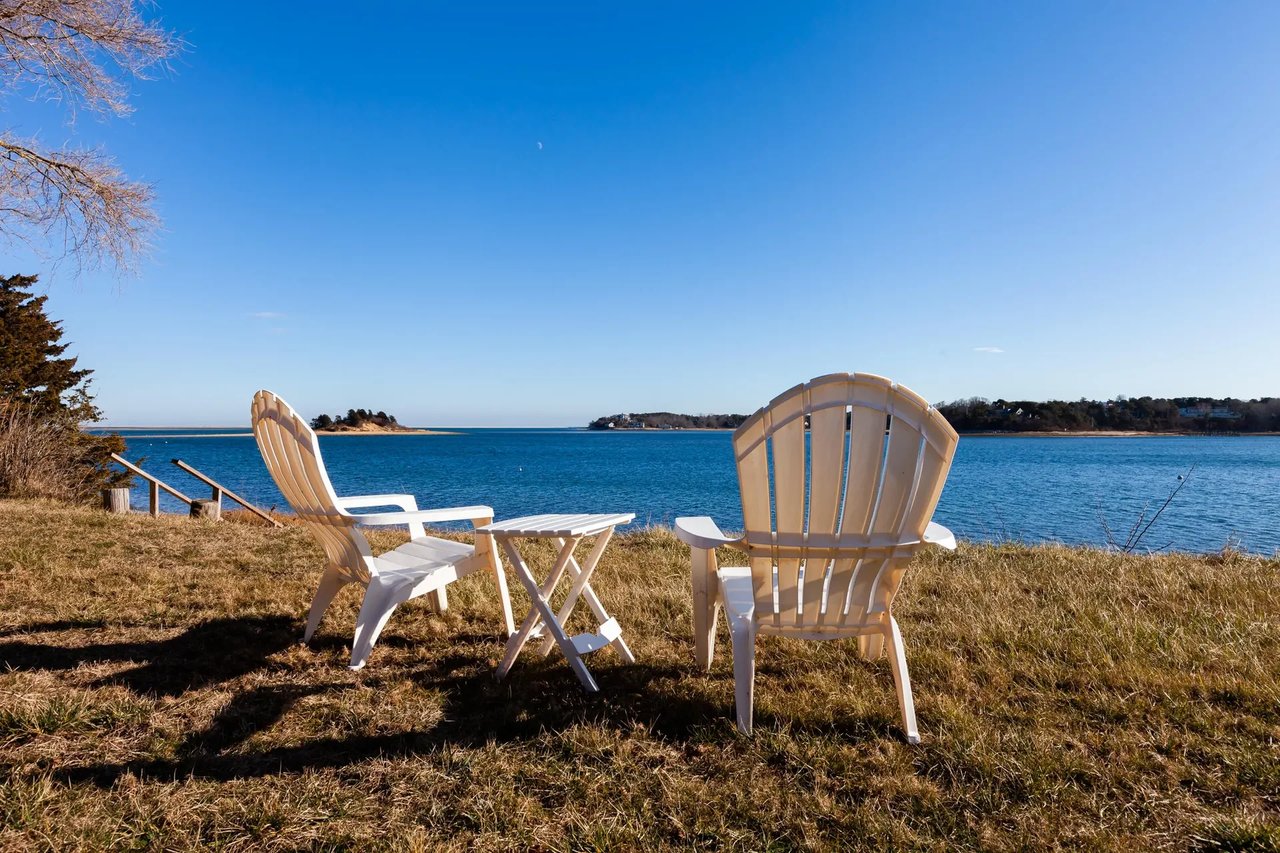
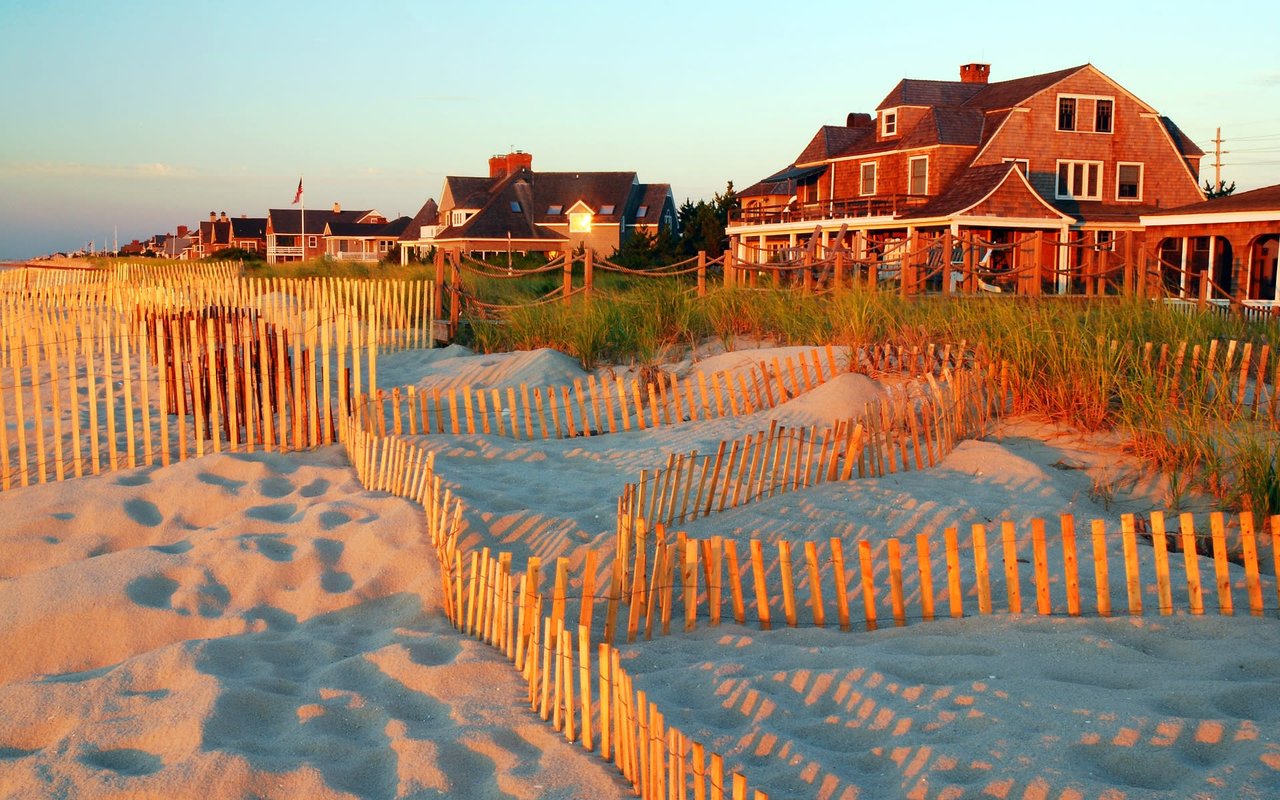
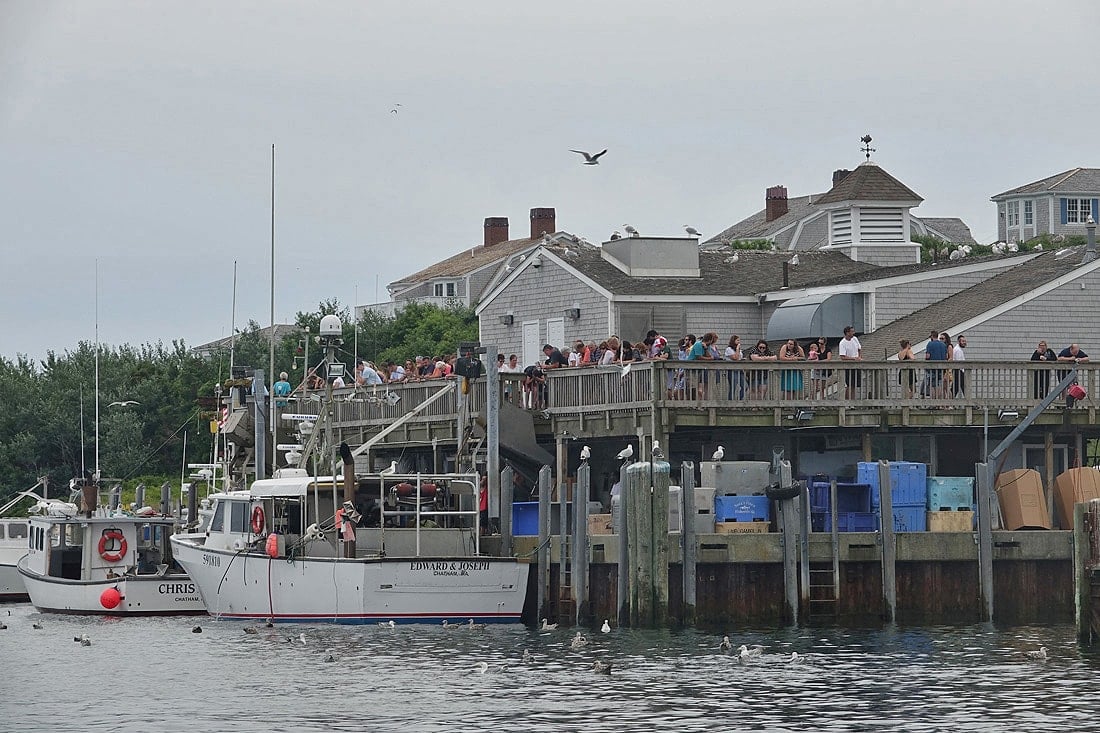
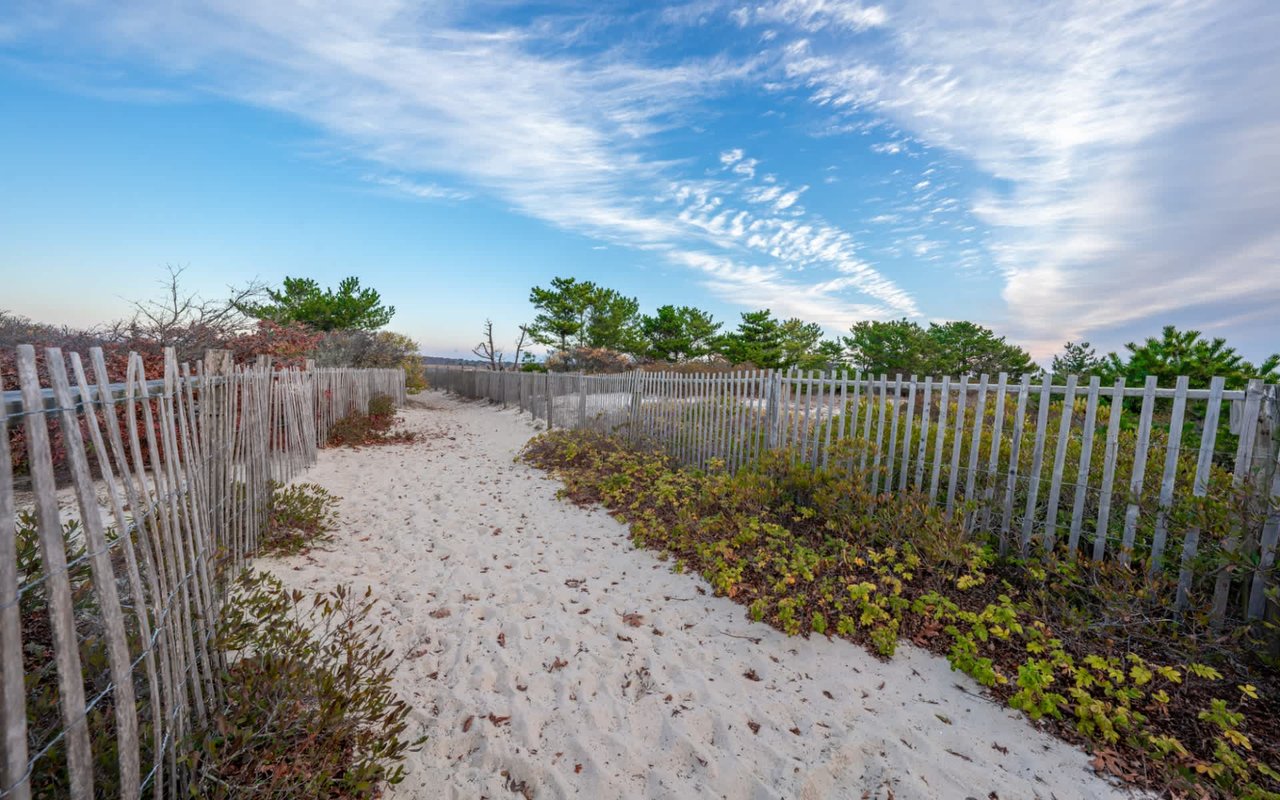
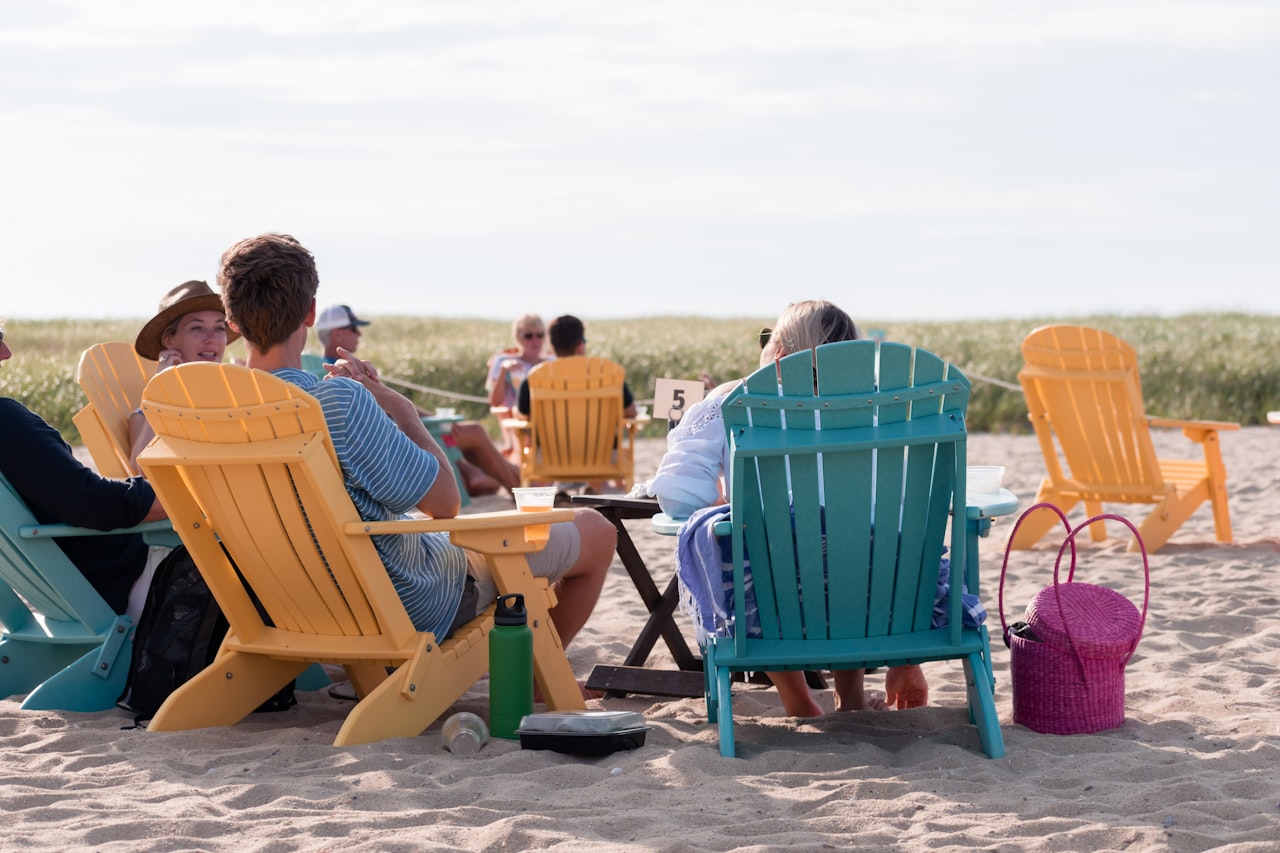
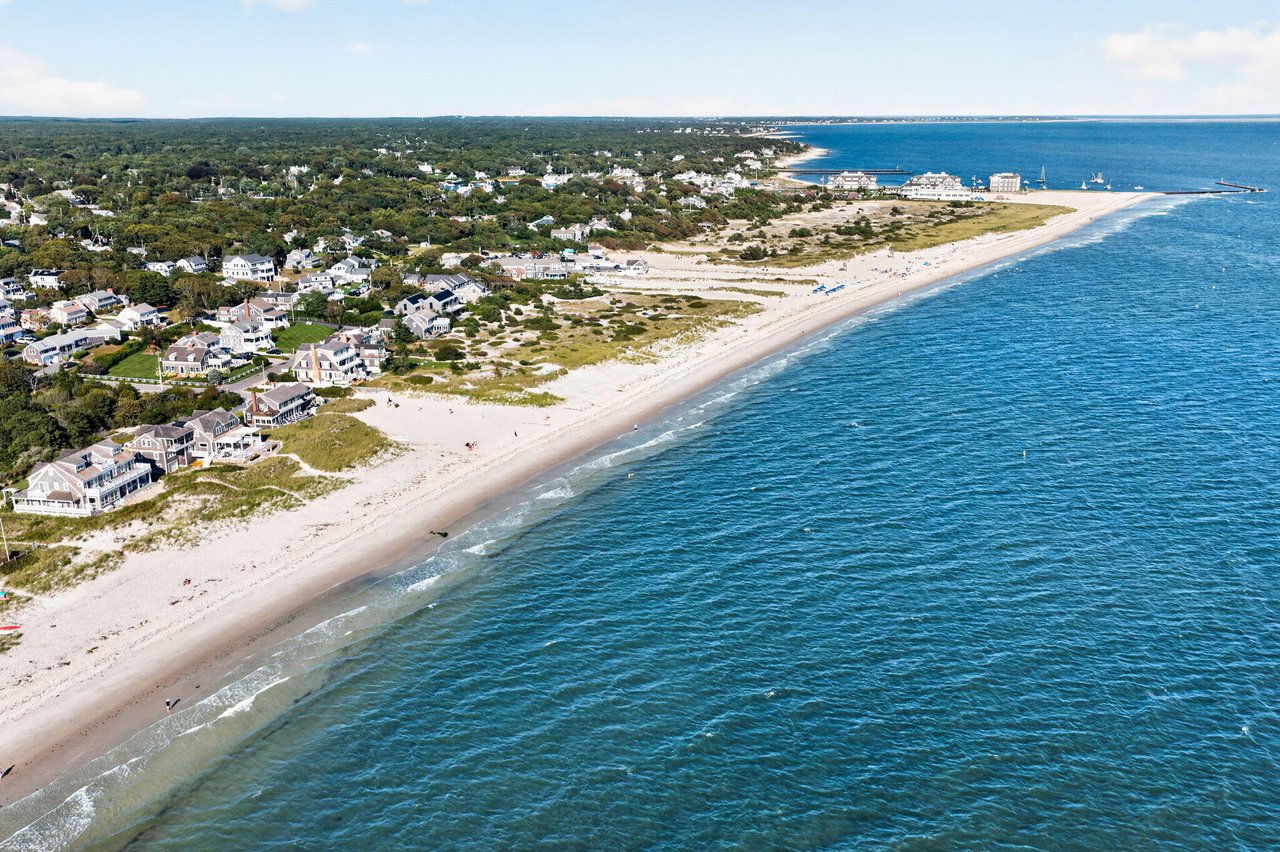
- Location and lifestyle. Harwich Port is a walkable village on Nantucket Sound, with shops and restaurants along Route 28, beaches like Bank Street Beach, and Wychmere and Saquatucket harbors. It's the kind of place buyers want to spend summers, and renters want to book.
- Value next to Chatham. Harwich Port offers the same Nantucket Sound lifestyle as Chatham next door, at a noticeably lower price point. Buyers priced out of Chatham are moving one town over.
- A modest tax rate. Harwich's fiscal 2026 residential rate is $5.91 per $1,000 of assessed value.
- Cash buyers. Cash purchases rose from 35% of Harwich Port sales in 2020 to 62% in 2026. Cash buyers are less sensitive to mortgage rates, which has kept demand strong even as rates rose.
- Statewide attention. Harwich's 02645 zip code (Harwich Center) was named the hottest housing market in Massachusetts for the second quarter of 2026, with an average sale price of about $1.1 million.
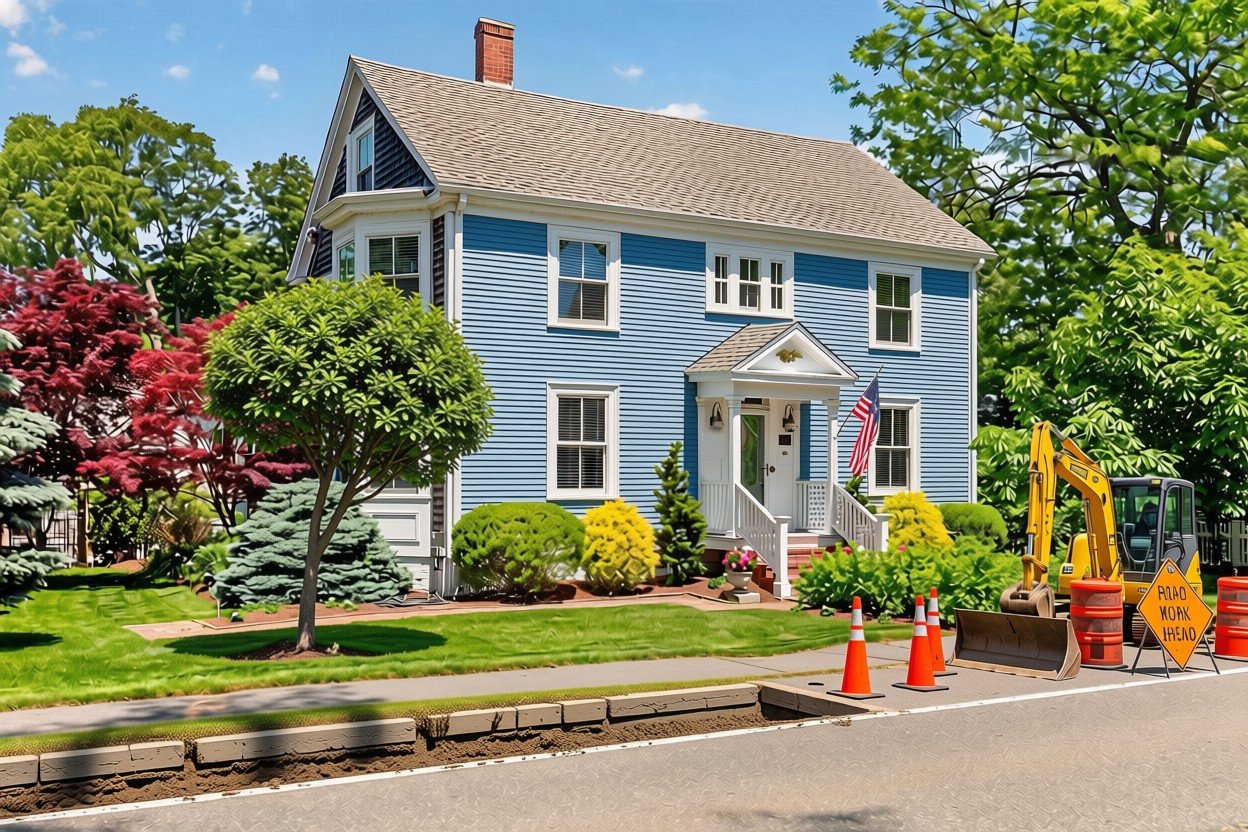
- Infrastructure on the way. Route 28 is getting new water mains, a rebuilt roadway and a "dry" sewer line from South Street in Harwich Port to the Dennis town line. Actually using that sewer is likely a decade away, but it's a long-term plus for properties along the corridor.
Harwich Port real estate by the numbers (2020 to 2026)
I pulled every closed Harwich Port sale from the Cape Cod & Islands MLS since 2020. Because the village has so few sales, monthly figures on national websites can swing wildly. Looking year by year since 2020 shows the real trend.
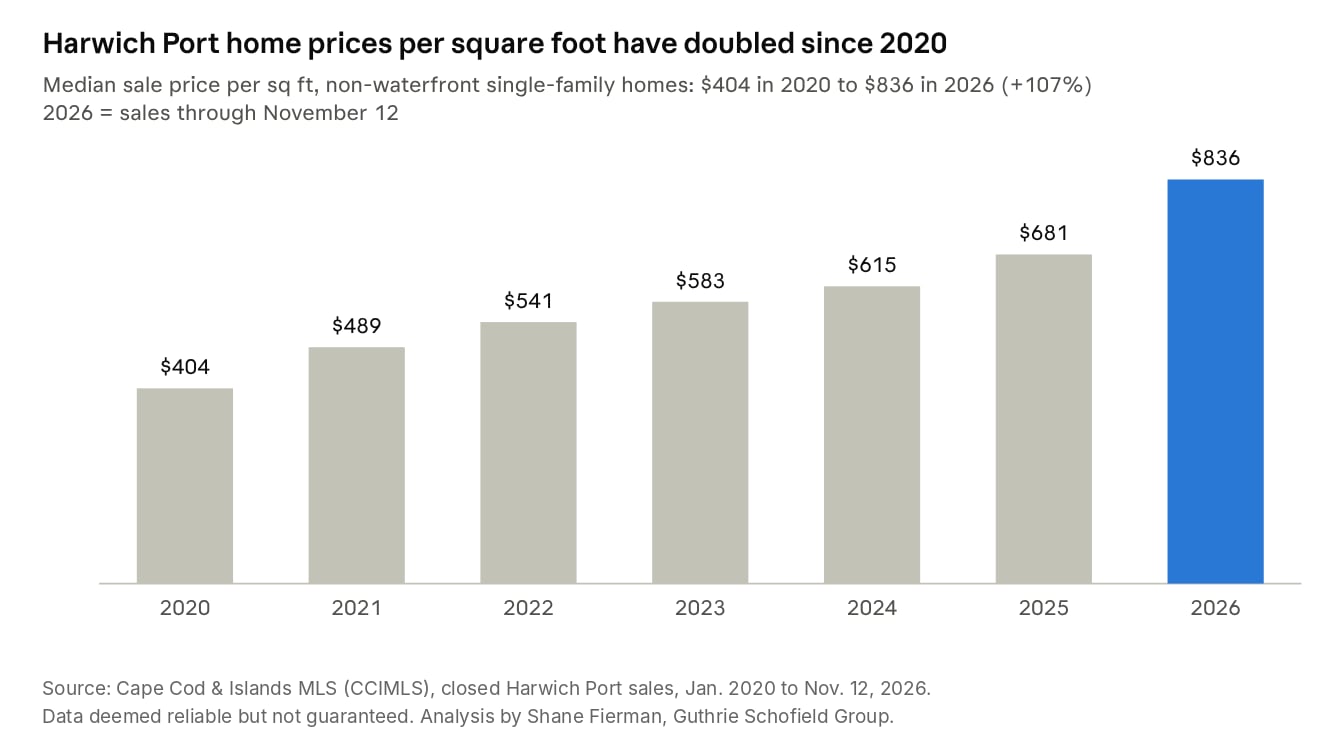
Source: Cape Cod & Islands MLS, closed Harwich Port sales, January 2020 to November 12, 2026. Data deemed reliable but not guaranteed.
2020 | 2026 (through Nov. 12) | |
|---|---|---|
Closed sales, all homes and condos | 94 | 39 |
Median price, non-waterfront single-family | $695,000 | $1,300,000 |
Median price, condos | $286,250 | $405,000 |
Share of sales paid in cash | 35% | 62% |
Sales of $2 million or more | 6 | 12 |
The pattern is clear: demand keeps outpacing supply. Fewer homes change hands each year, they sell for much more, and more buyers pay cash. Condos have climbed steadily too, and remain the most affordable way into the village.
What are the best investment strategies in Harwich Port?
There's no single right play. It depends on your budget, how hands-on you want to be and how long you plan to hold.
- Vacation rentals. Harwich Port's walkable village and Nantucket Sound beaches drive strong summer demand. The core season runs roughly from late June through Labor Day, and demand has grown in the shoulder seasons too. Homes within walking distance of the beach or village typically book first.
- Year-round rentals. The Cape has a well-known shortage of year-round housing, so good long-term tenants are in demand. Income is lower than peak summer weekly rents, but steadier, with less turnover and simpler management.
- Condos. At a 2026 median of $405,000, condos are the lowest-cost way into the village. Before you buy, read the association's rules on short-term rentals and check the fees and reserves.
- Fixer-uppers and value-add. With updated homes selling for more than $800 per square foot, a dated home in a good location can be a strong renovation play. Budget time for permits, and check septic capacity, flood zones and Conservation Commission rules before you plan an addition.
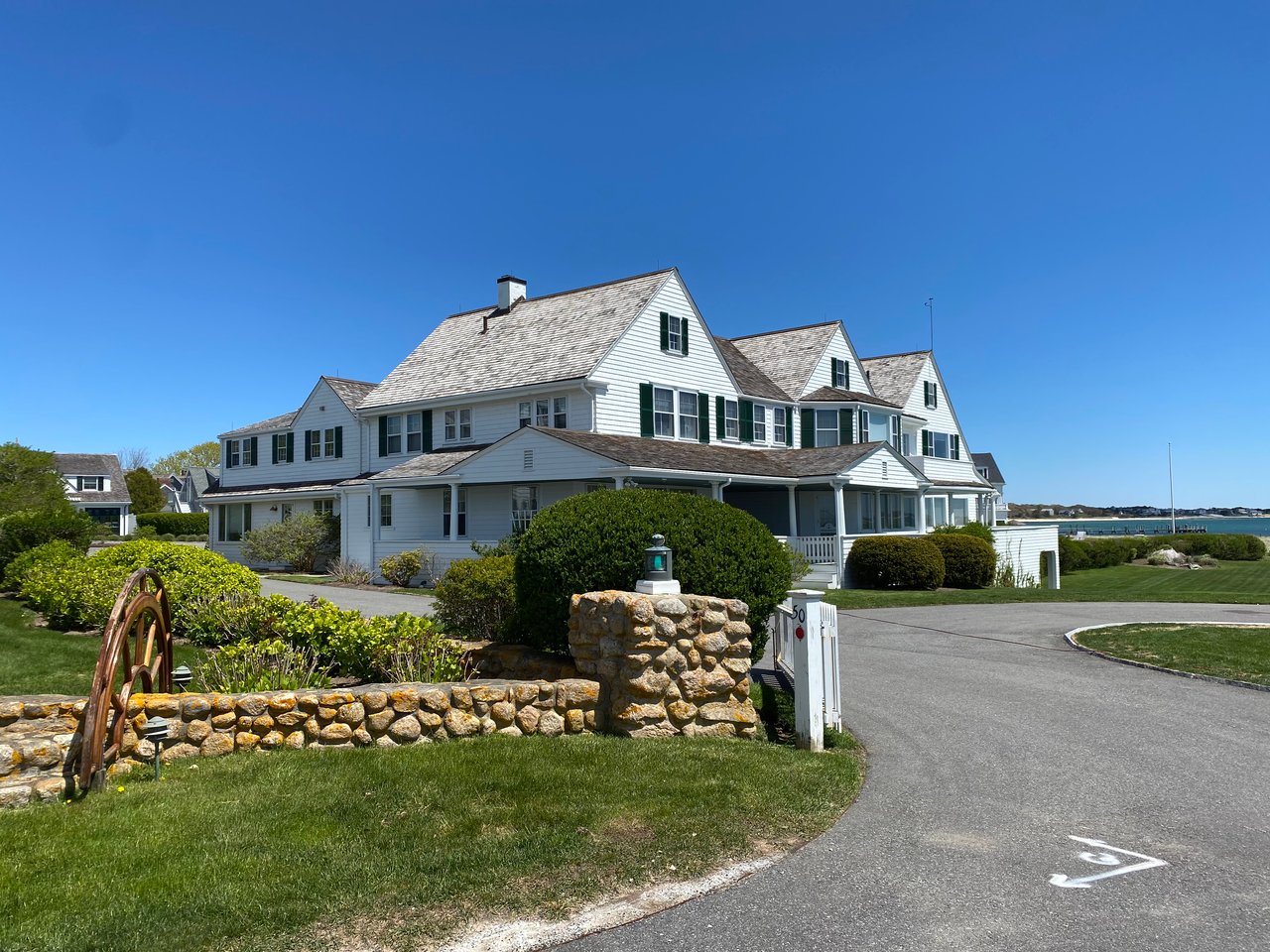
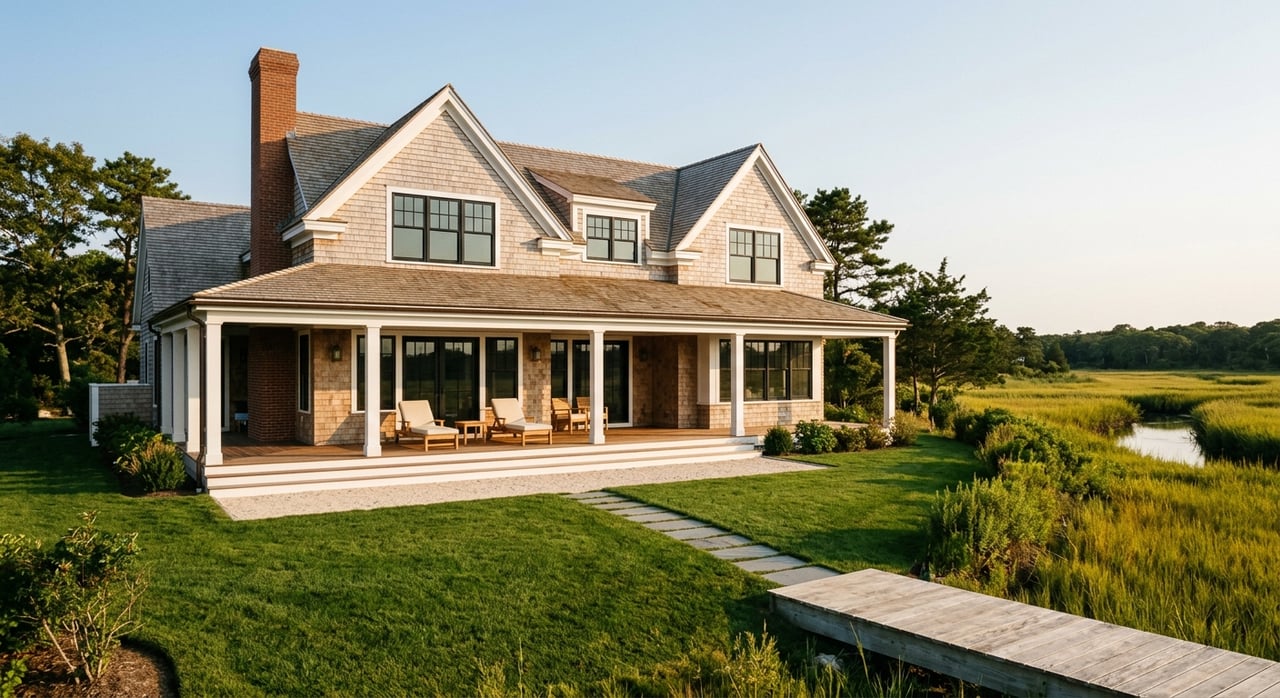
- Waterfront and luxury. Sales of $2 million or more doubled from 6 in 2020 to 12 in 2026, and waterfront sales rose from 2 to 7. These are the scarcest properties in the village, with the highest entry price.
- Mixed-use along Route 28. The village's main corridor includes properties that combine commercial space with apartments, which can suit an owner-operator or an investor looking for more than one income stream.
"Demand in Harwich Port has only increased, and it stays remarkably strong throughout the year. It's a beautiful, fun village that vacationers and homeowners come back to year after year." — Shane Fierman
What rules do Harwich Port investors need to know?
- Short-term rental registration. Harwich requires a Rental Density Registration with the Building Department for any rental of 90 days or less. Registrations expire after 90 days, so year-round short-term rentals renew every 90 days. There's no town inspection, but owners must confirm working smoke and carbon monoxide detectors and safe decks, railings and exits. Occupancy is capped at two people per bedroom. (Harwich Building Department FAQ)
- State registration and room taxes. Short-term rentals must also register with the Massachusetts Department of Revenue and collect room occupancy taxes. In Harwich that's the 5.7% state excise, the town's 6% local excise and the 2.75% Cape Cod and Islands Water Protection Fund fee, about 14.45% in total, paid by guests. (Mass. DOR)
- Zoning and permits. Additions, conversions, accessory apartments and changes of use go through the Building Department, and some need Zoning Board approval. Confirm what's allowed on a specific lot before you buy.
- Flood zones and waterfront rules. Many properties near the water sit in FEMA flood zones, which affect insurance costs and building requirements. Work near wetlands or the shoreline also needs Conservation Commission review.
- Septic and sewer. Most of Harwich Port is on septic, so a Title 5 inspection is part of nearly every purchase, and the septic's design flow limits the number of bedrooms. A dry sewer line is going in along Route 28 west of South Street, but connections there are likely a decade away. For more, see my Cape Cod Sewer Guide.
- Stay current. Harwich's registration process is straightforward, and a local agent can help you keep up with any updates to the town's rental rules.
What does it cost to own an investment property in Harwich Port?
Run these numbers before you make an offer:
- Property taxes. At Harwich's fiscal 2026 rate of $5.91 per $1,000, a home assessed at $1.3 million pays about $7,700 a year, and a $405,000 condo about $2,400.
- Insurance. Homeowners insurance on the Cape has grown more expensive, and homes in flood zones may need separate flood coverage. Get quotes early, ideally during your inspection period.
- Management. Full-service vacation rental managers typically charge a percentage of booking revenue. Year-round rentals cost less to manage, but you'll still want local help for repairs.
- Turnover costs for vacation rentals. Cleaning, linens, supplies, booking platform fees and furnishings add up quickly.
- Maintenance. Salt air is hard on roofs, siding, windows and decks. Add septic pumping, landscaping and, for seasonal homes, winterizing.
- Condo fees. Check monthly association fees, what they cover and whether a special assessment is coming.
How do investors finance a Harwich Port property?
With 62% of 2026 sales paid in cash, financed buyers are competing against cash offers. Line up financing before you start looking.
- Second-home loans. If you'll use the property yourself and rent it only occasionally, a second-home loan usually offers better terms than an investment loan. Lenders have rules on how much rental use is allowed.
- Investment property loans. These typically need a larger down payment and carry a higher rate than loans for a primary or second home.
- DSCR loans. These qualify you on the property's expected rental income rather than your personal income, which some investors prefer, especially for vacation rentals.
- Cash, then refinance. Some investors buy with cash to win the deal, then refinance afterward.
Why investors are choosing Harwich Port (and what to plan for)
Why it works
- Proven appreciation. Prices per square foot for non-waterfront single-family homes roughly doubled from 2020 to 2026.
- Built-in scarcity. So few homes come to market each year that well-located properties hold their value and sell quickly.
- Demand that keeps coming back. Vacationers and homeowners return to Harwich Port year after year, and demand has grown beyond the summer months.
- More value than Chatham next door, plus a modest tax rate.
- Upgrades on the way, including new water mains, a rebuilt Route 28 and future sewer along the corridor.
What to plan for
- Be ready to move fast. With few listings and many cash buyers, have your financing or cash lined up before you start looking, and work with an agent who hears about properties early.
- Budget for the entry price. Prices reflect the demand. If a single-family home is more than you want to spend, condos offer a lower-cost way in.
- Plan around the seasons. Summer is still the peak for vacation rentals, so build your income plan around it.
- Factor in septic, flood and insurance costs up front, especially near the water, so there are no surprises after closing.
Harwich Port investing FAQ
Is Harwich Port a good place to invest in real estate? For many investors, yes. Harwich Port combines strong long-term appreciation, very limited supply, steady demand from vacationers and homeowners, and a relatively low tax rate, all in a walkable beach village. The main requirement is being prepared: prices are high and good properties go quickly.
How much have Harwich Port home prices gone up? For non-waterfront single-family homes, the median price per square foot rose from $404 in 2020 to $836 in 2026, and the median sale price from $695,000 to $1.3 million, according to Cape Cod & Islands MLS data.
Can I rent my Harwich Port home short-term? Yes, with registration. Harwich requires a Rental Density Registration for rentals of 90 days or less, and you must also register with the Massachusetts Department of Revenue and collect room taxes.
What taxes do vacation renters pay in Harwich? About 14.45% in total: the 5.7% state room excise, Harwich's 6% local excise and the 2.75% Cape Cod and Islands Water Protection Fund fee.
What's the most affordable way to invest in Harwich Port? Condos. The median Harwich Port condo sold for $405,000 in 2026, compared with $1.3 million for a non-waterfront single-family home.
Is Harwich Port on town sewer? Most of Harwich Port is still on septic. A dry sewer line is being installed along part of Route 28, but connections are likely about a decade away.
Is Harwich Port a separate town? No. Harwich Port is a village in the Town of Harwich, with its own 02646 zip code. Town rules, taxes and permits all come from Harwich.
Sources
- Cape Cod & Islands MLS, closed Harwich Port sales, January 2020 to November 12, 2026, analyzed by Shane Fierman. Data deemed reliable but not guaranteed.
- Harwich Building Department: Rental Density Registration FAQ
- Massachusetts DOR: Room Occupancy Excise Tax
- Town of Harwich: Tax Calculator (FY2026 rate)
- Boston Business Journal: Cape Cod towns top the state's hottest housing markets
- Cape Cod Chronicle: West Harwich road construction starts in mid-September
About the Author
Shane Fierman is a real estate advisor and member of the Guthrie Schofield Group at Berkshire Hathaway HomeServices Robert Paul Properties. His family first came to the Cape as weekenders more than 16 years ago, and today they live here year-round in Yarmouth.
Shane is a homeowner and property investor himself, with hands-on construction experience. He's also co-founder of Ashored Home Advisors, which handles renovation, strategic advisory and preparing homes for sale, and Ashored Property Management, which cares for homes year-round for residents, second-home owners and investors. So he looks at every investment the way his clients do: what it costs, what it can earn and what to do next.
He works with buyers, sellers and investors all over Cape Cod, as well as in Boston and the greater metro area, and makes a point of knowing each market neighborhood by neighborhood: what’s changing, what’s coming and what it means for a home’s value.
Shane Fierman · 914.471.3997 · [email protected]
This article is general information as of November 2026 and is not investment, legal or tax advice. Past price trends do not guarantee future results. Rental rules, taxes and fees change, so confirm details for a specific property with the Town of Harwich, your attorney, your lender and your tax advisor.