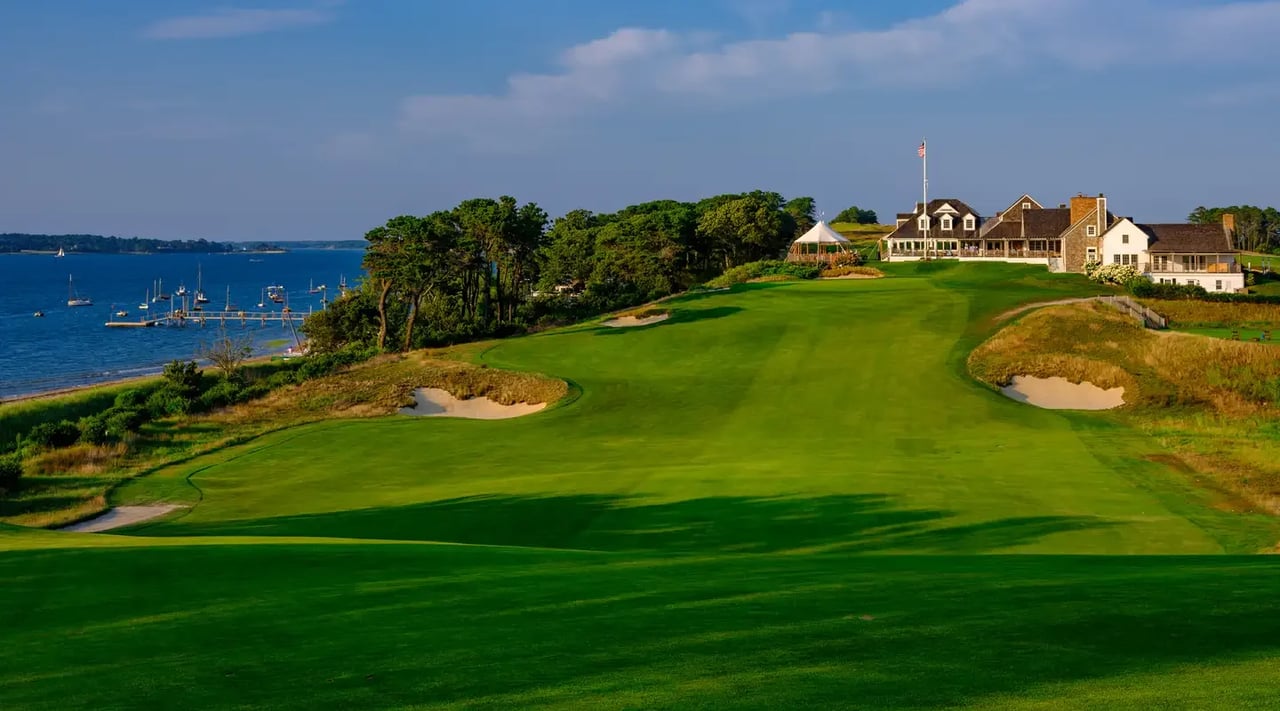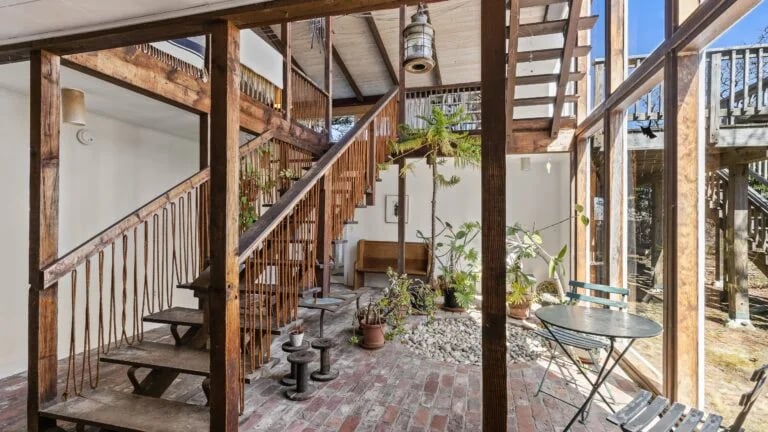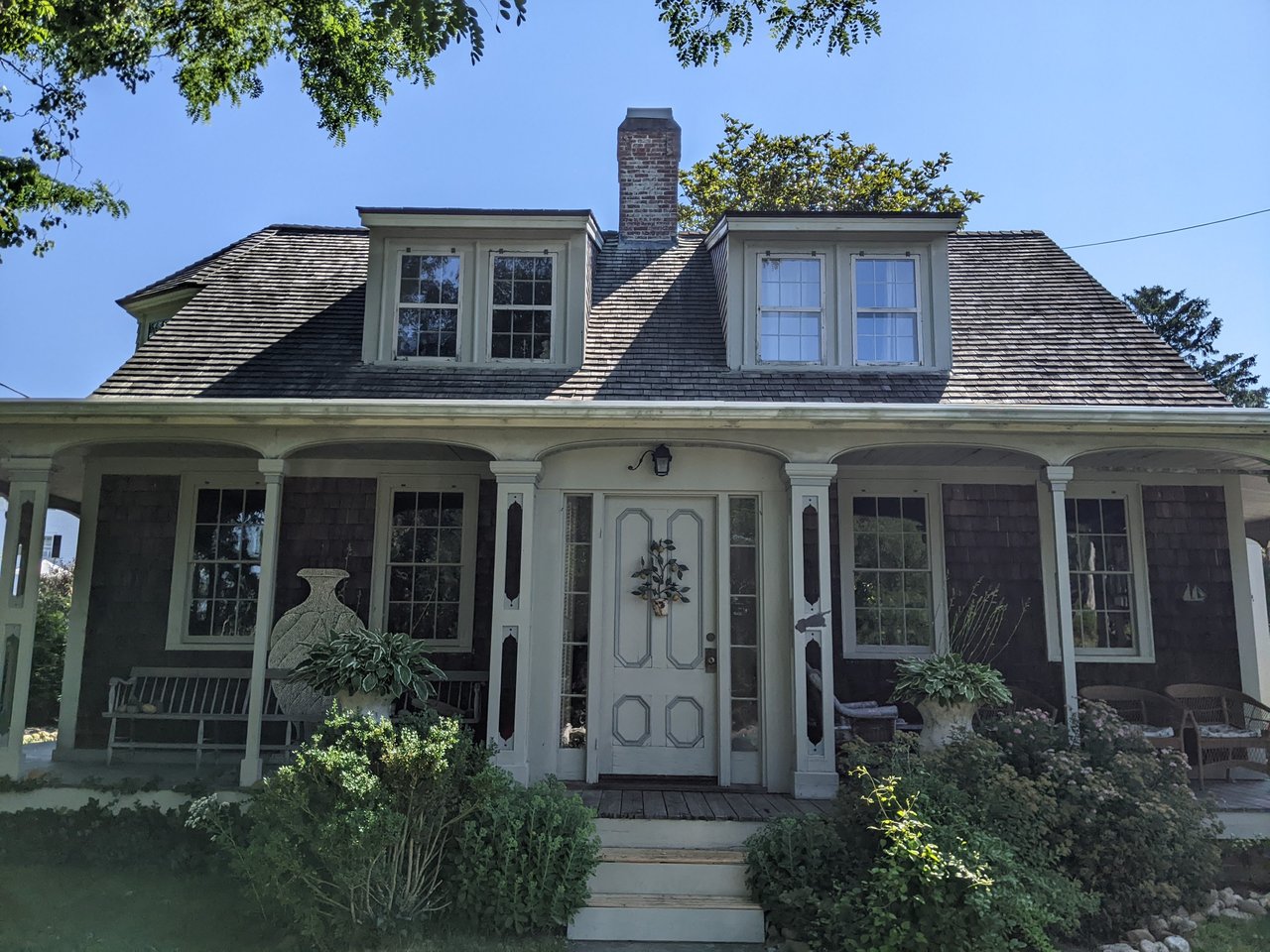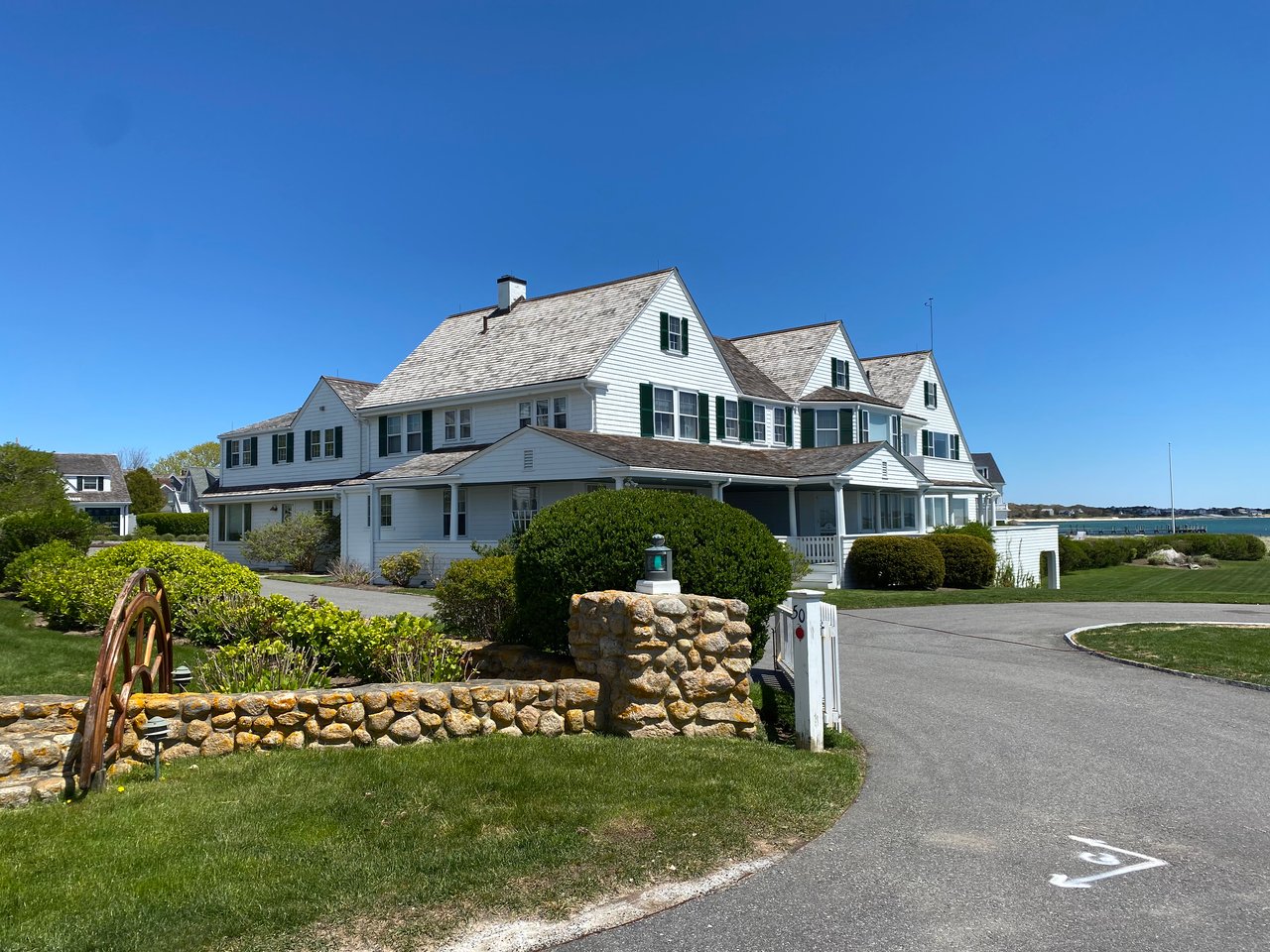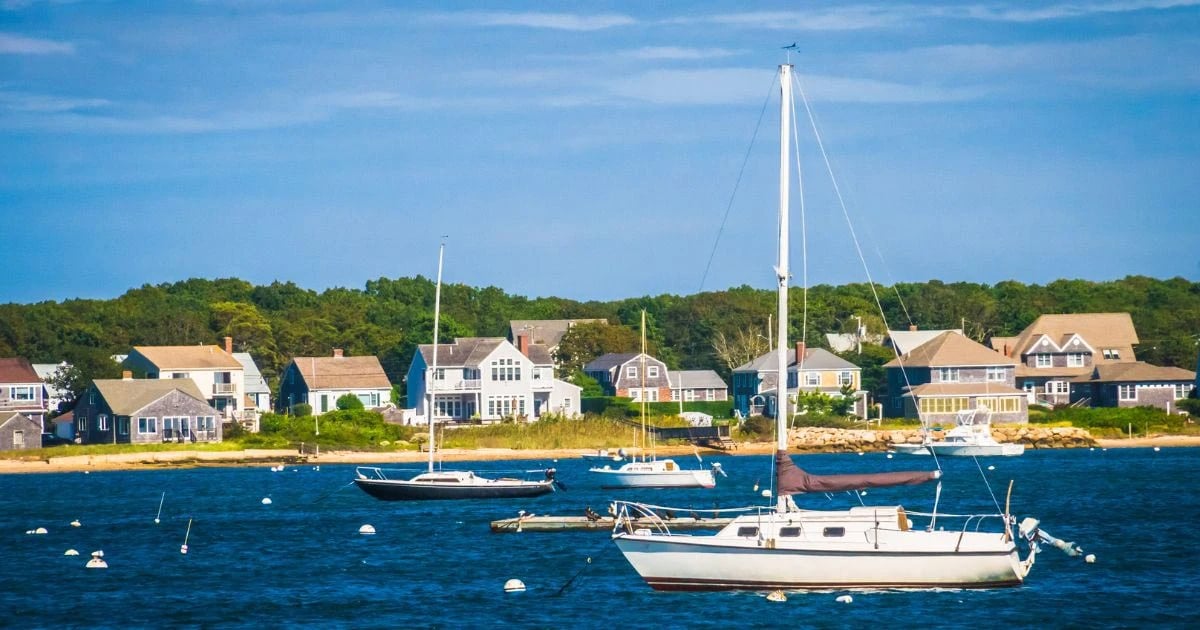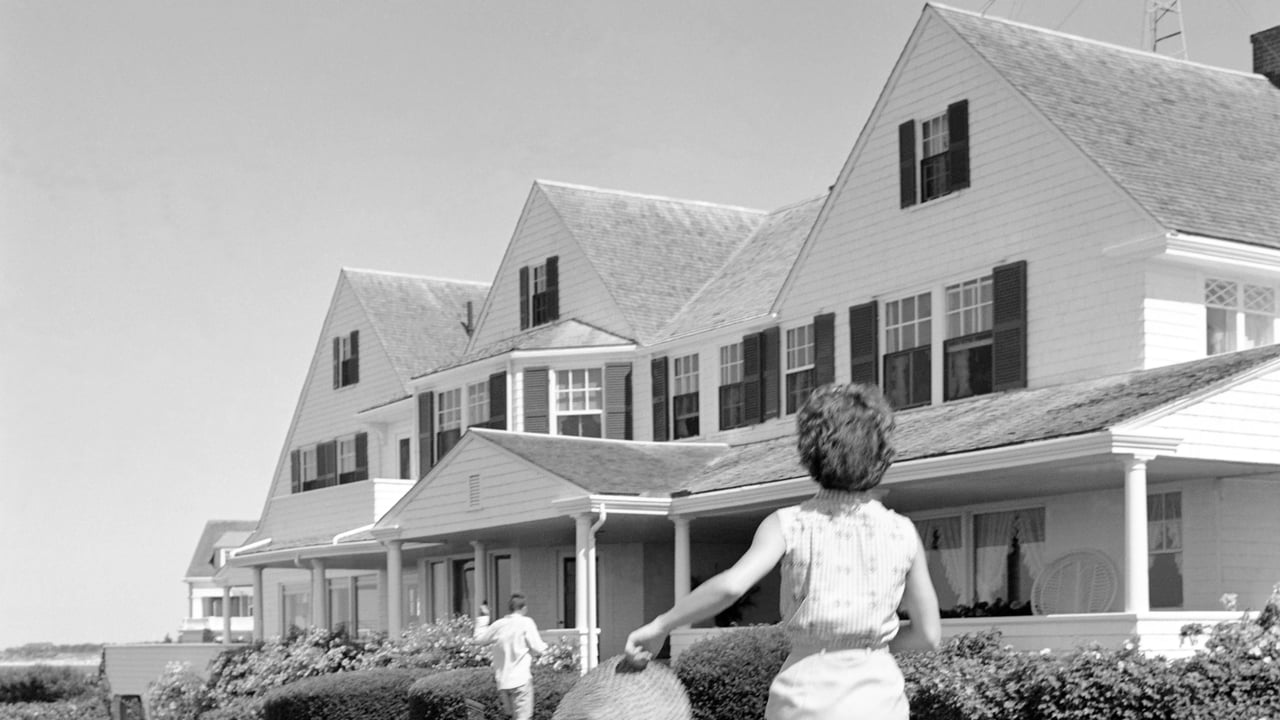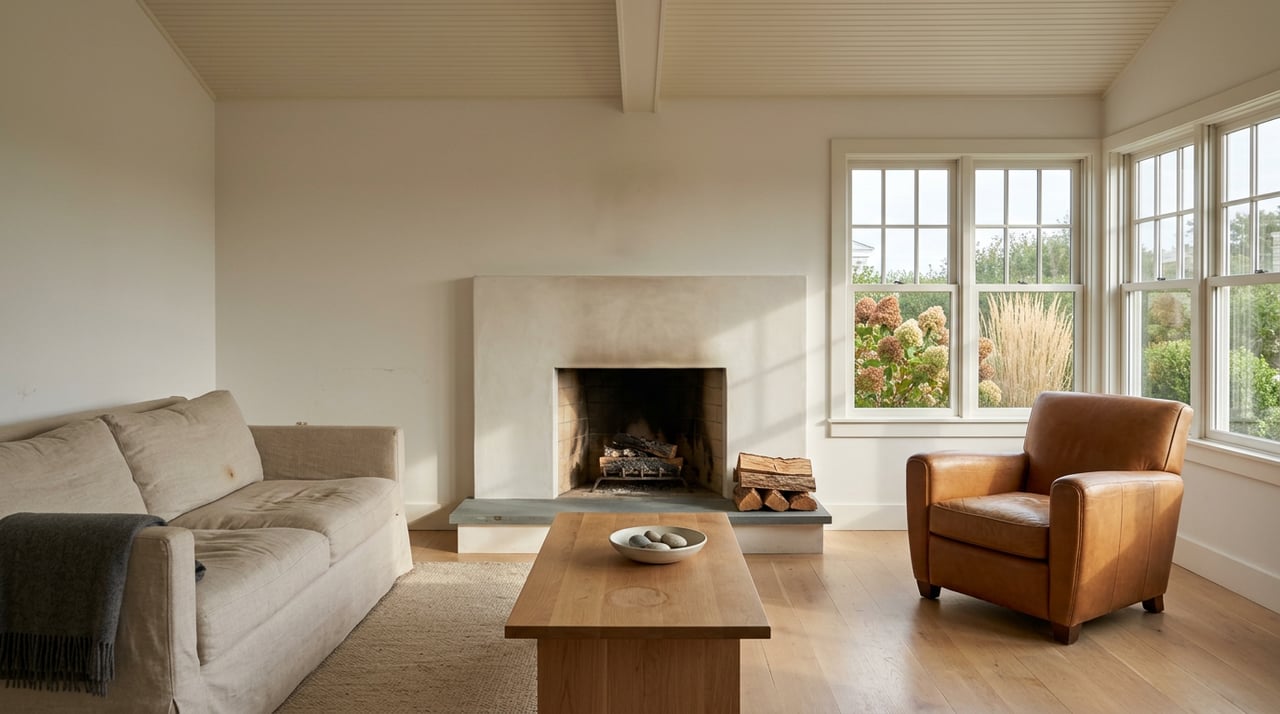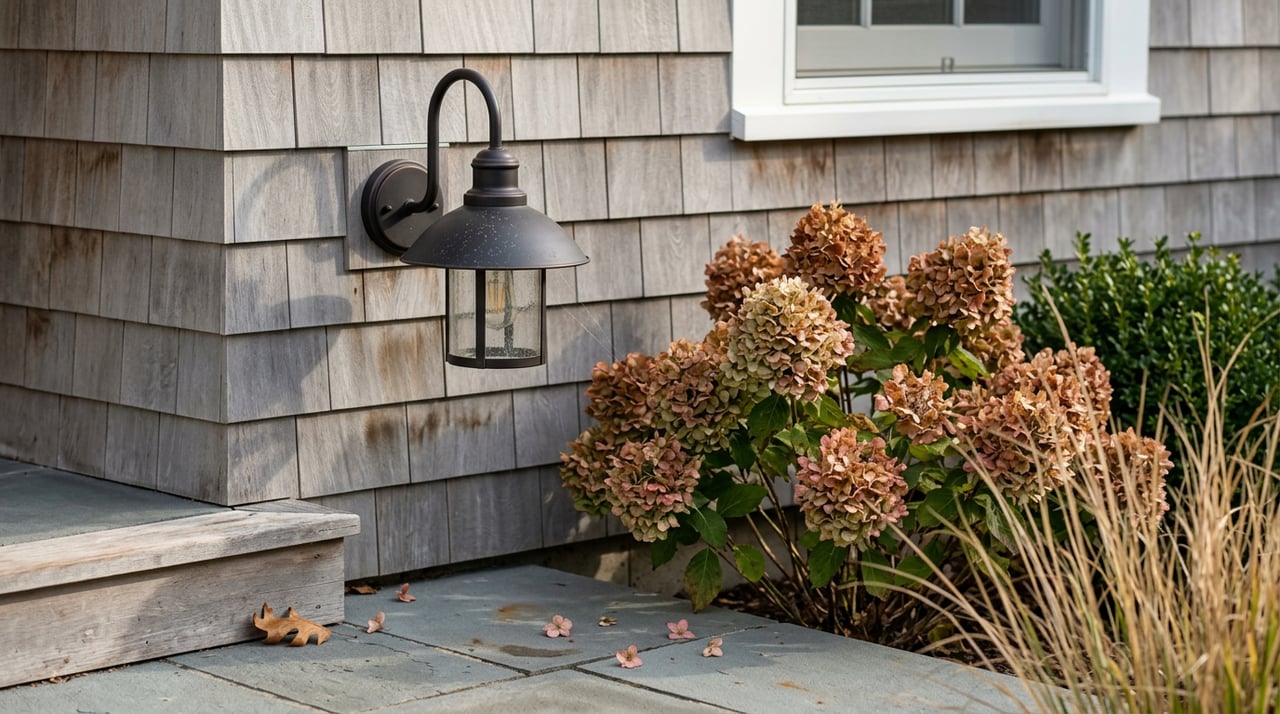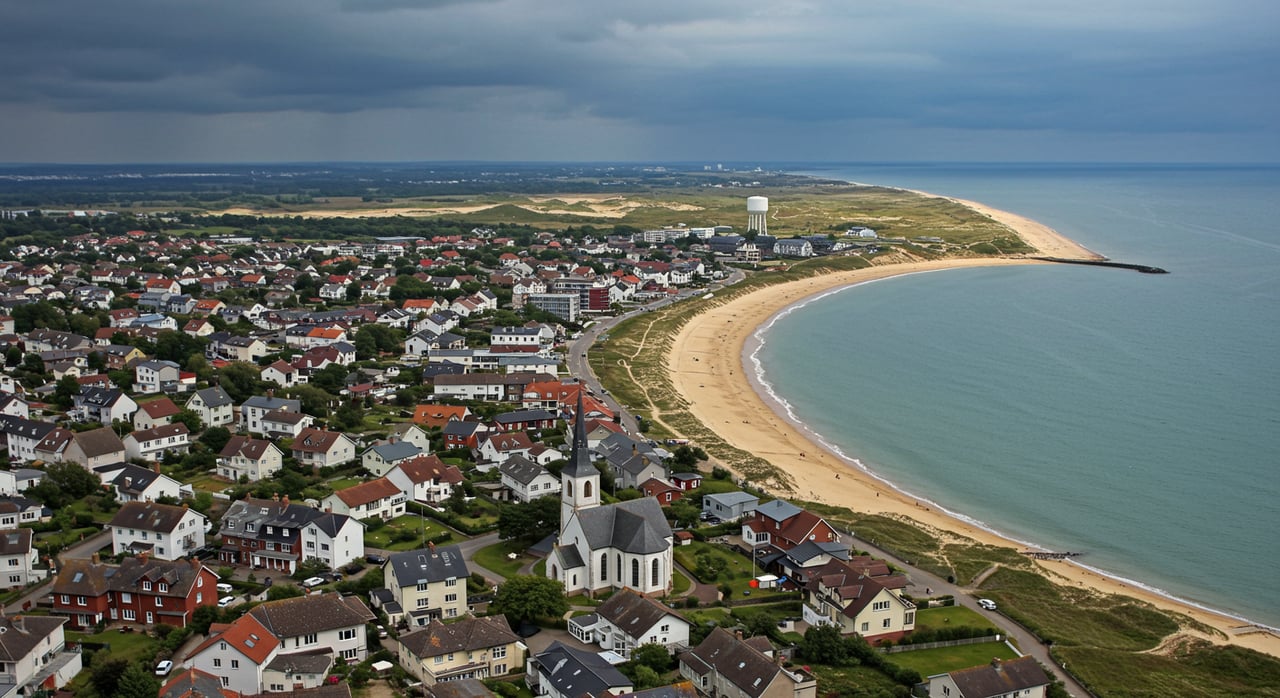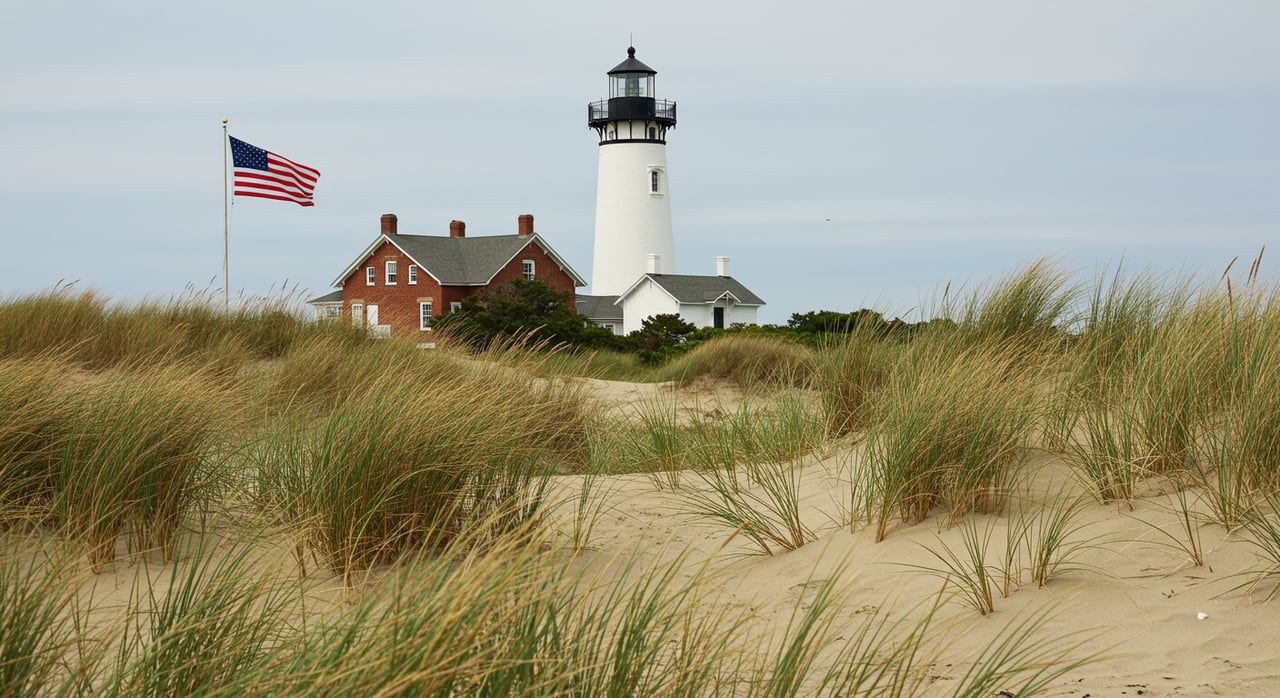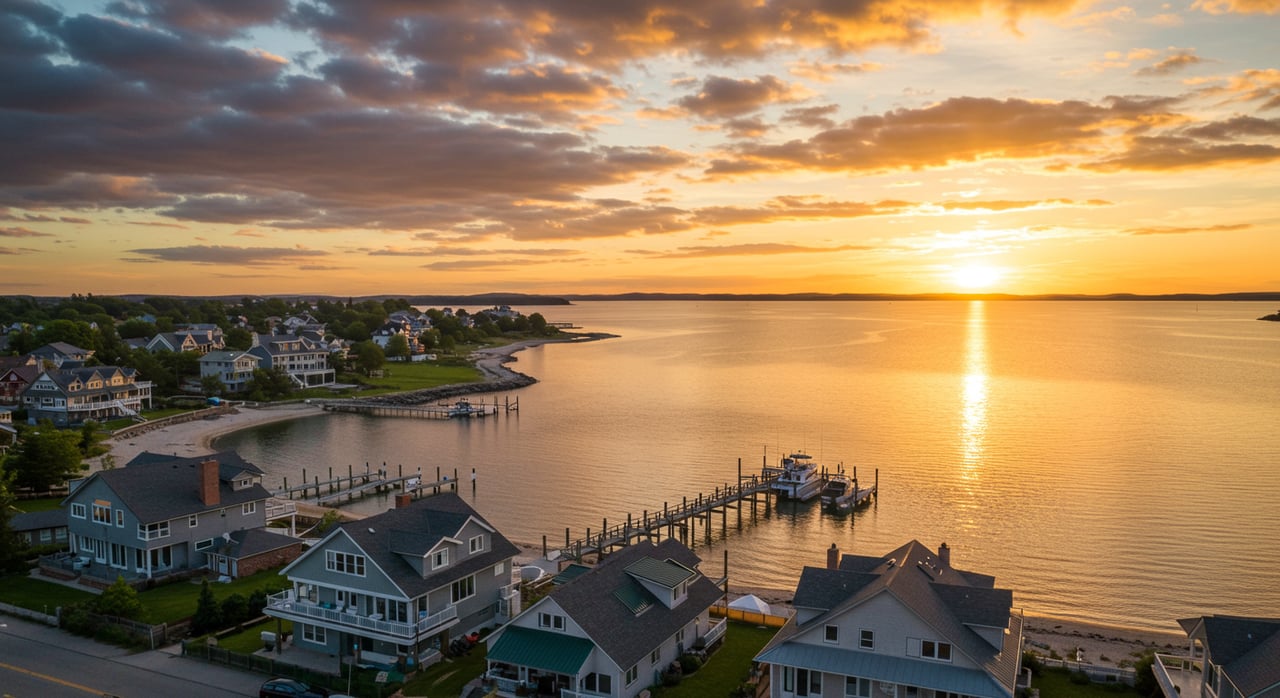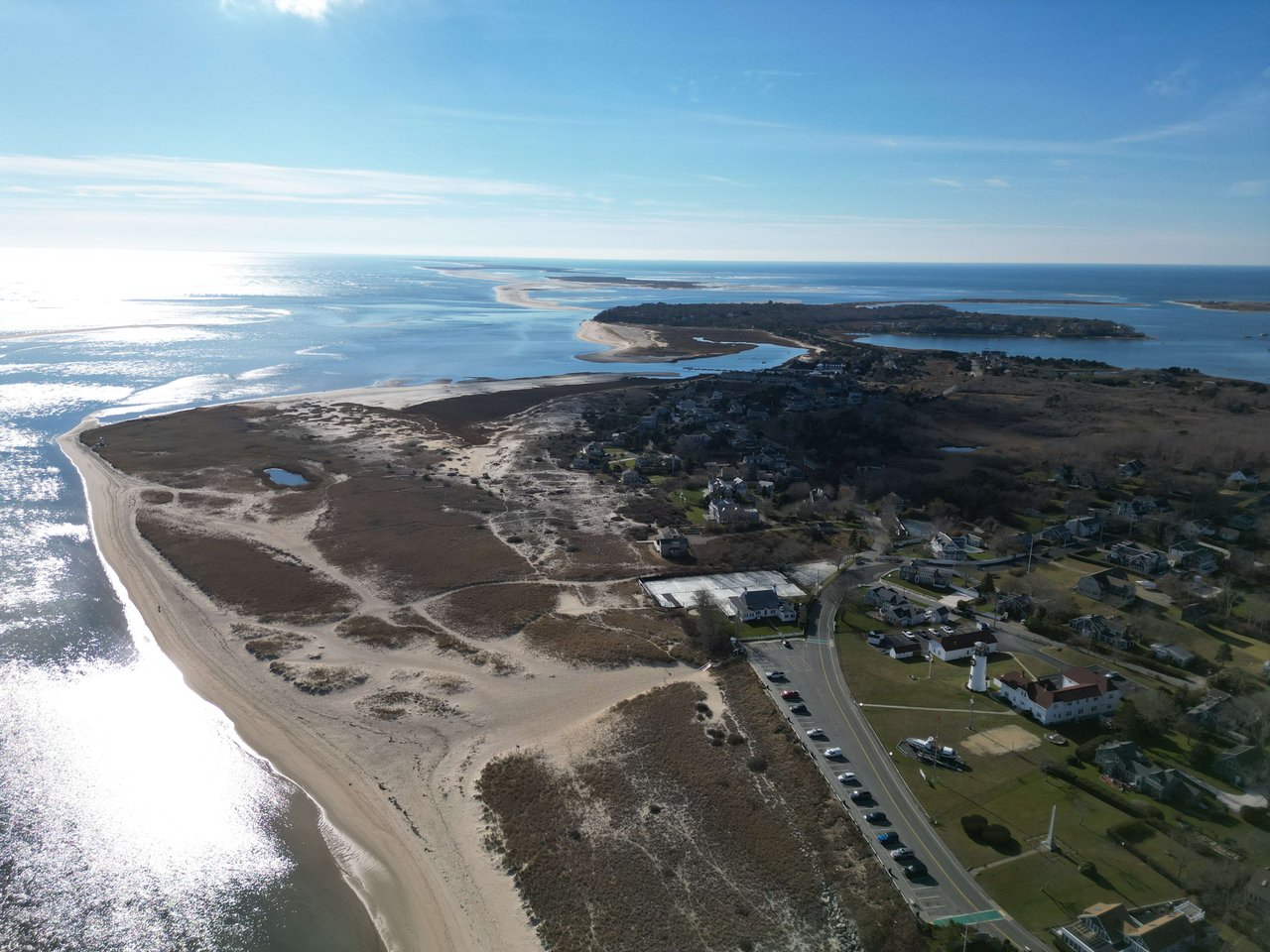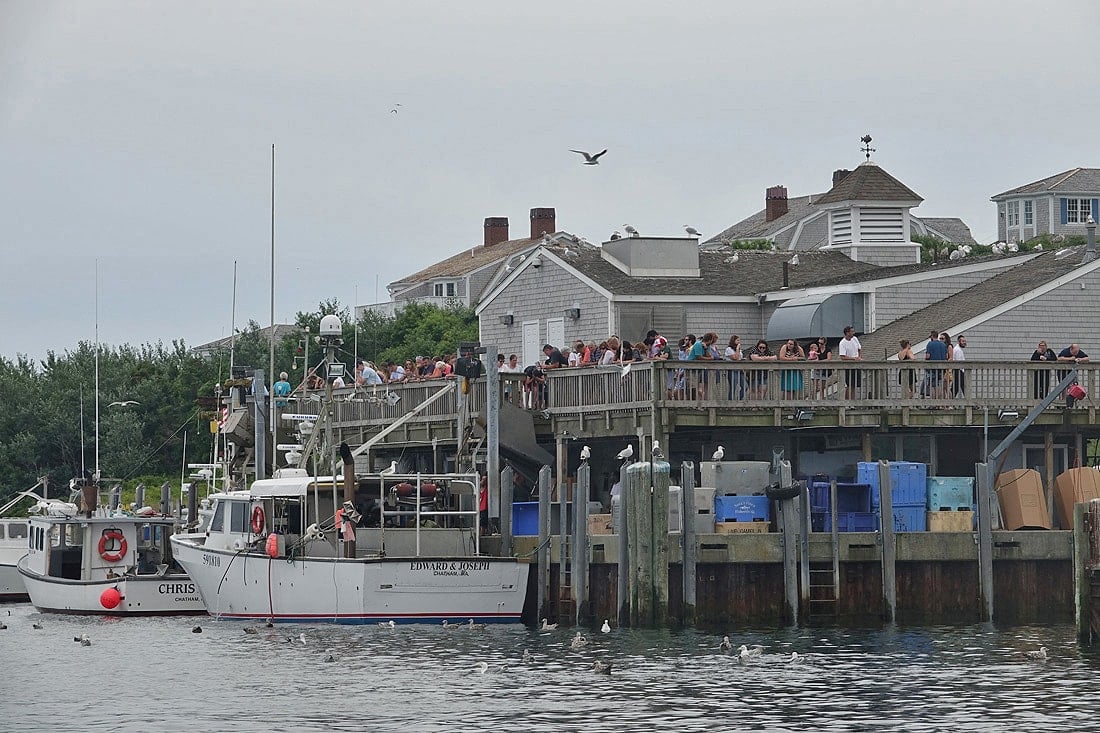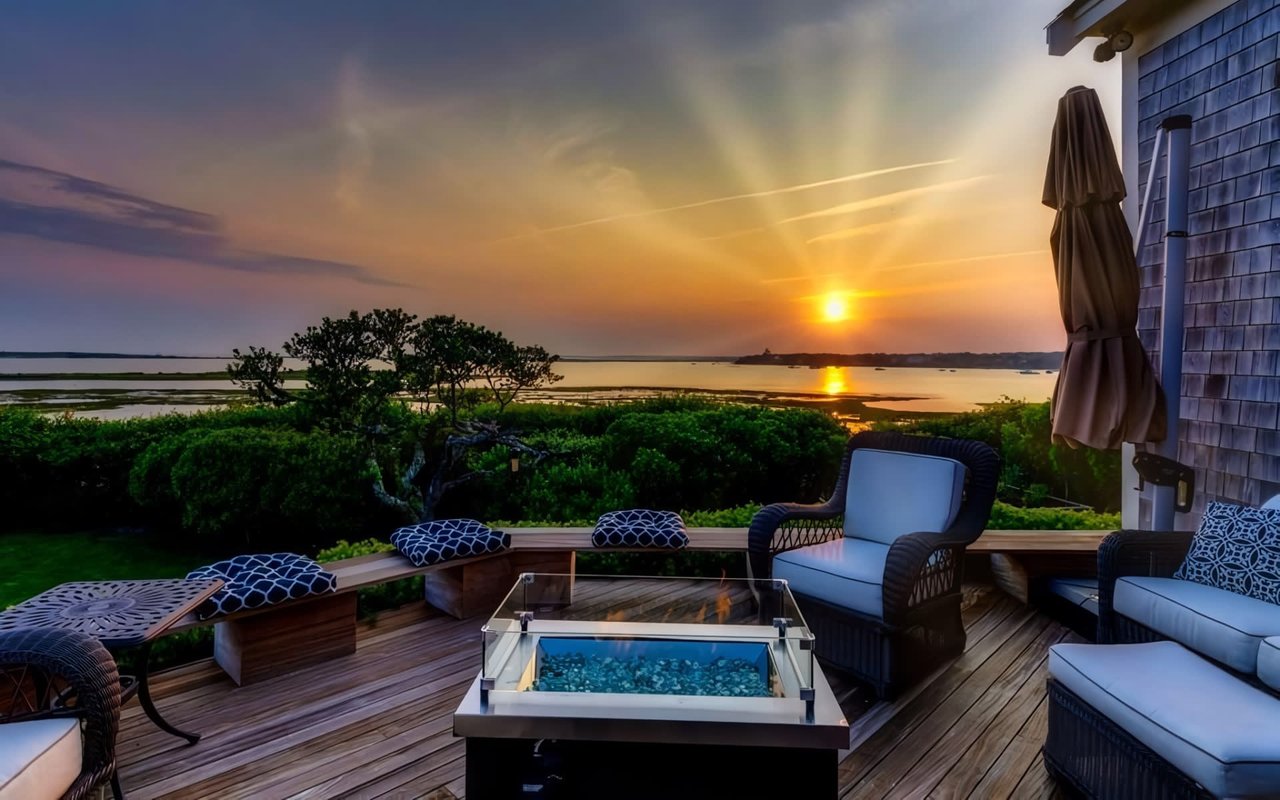
Trying to choose between Harwich Port, East Harwich, and Pleasant Lake can feel harder than picking the house itself. Each area offers a very different version of Harwich, and the right fit depends on how you want to live day to day, not just what looks best in photos. If you want clarity before you start touring homes, this guide will help you compare the lifestyle, setting, and tradeoffs of each area so you can focus your search with confidence. Let’s dive in.
Why location matters in Harwich
Harwich is a south side Cape Cod town with seven villages, an extensive Nantucket Sound shoreline, and a housing mix shaped by both year-round living and seasonal use. According to the Cape Cod Commission’s April 2026 housing profile, about 34% of homes in Harwich are seasonal, about 85% of residential properties are single-family homes, and the town’s 2024 median home sales price was $814,500.
Those numbers help explain why choosing the right pocket of town matters. In Harwich, your location can shape how close you are to beaches, ponds, village activity, daily errands, bike trails, and quieter residential surroundings.
Harwich Port at a glance
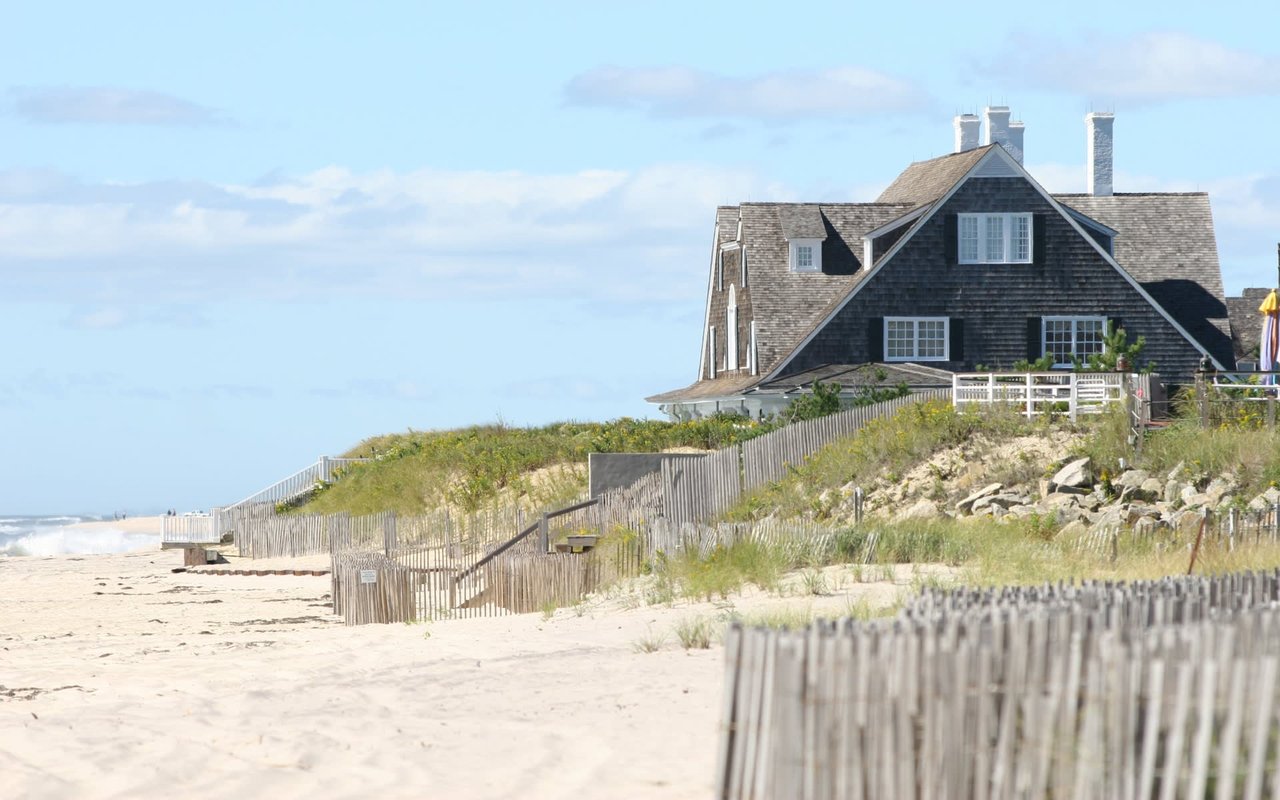
If you picture a classic Cape village with shops, beach access, and summer activity, Harwich Port is likely what comes to mind. It is the clearest village center in town and the Cape Cod Commission identifies it as Harwich’s only Community Activity Center fully within town boundaries.
The area is centered around Route 28 west of Wychmere Harbor. The Commission says it covers 263 acres with about 727 estimated housing units and a land-use mix that is 88% residential and 7% commercial.
What Harwich Port feels like
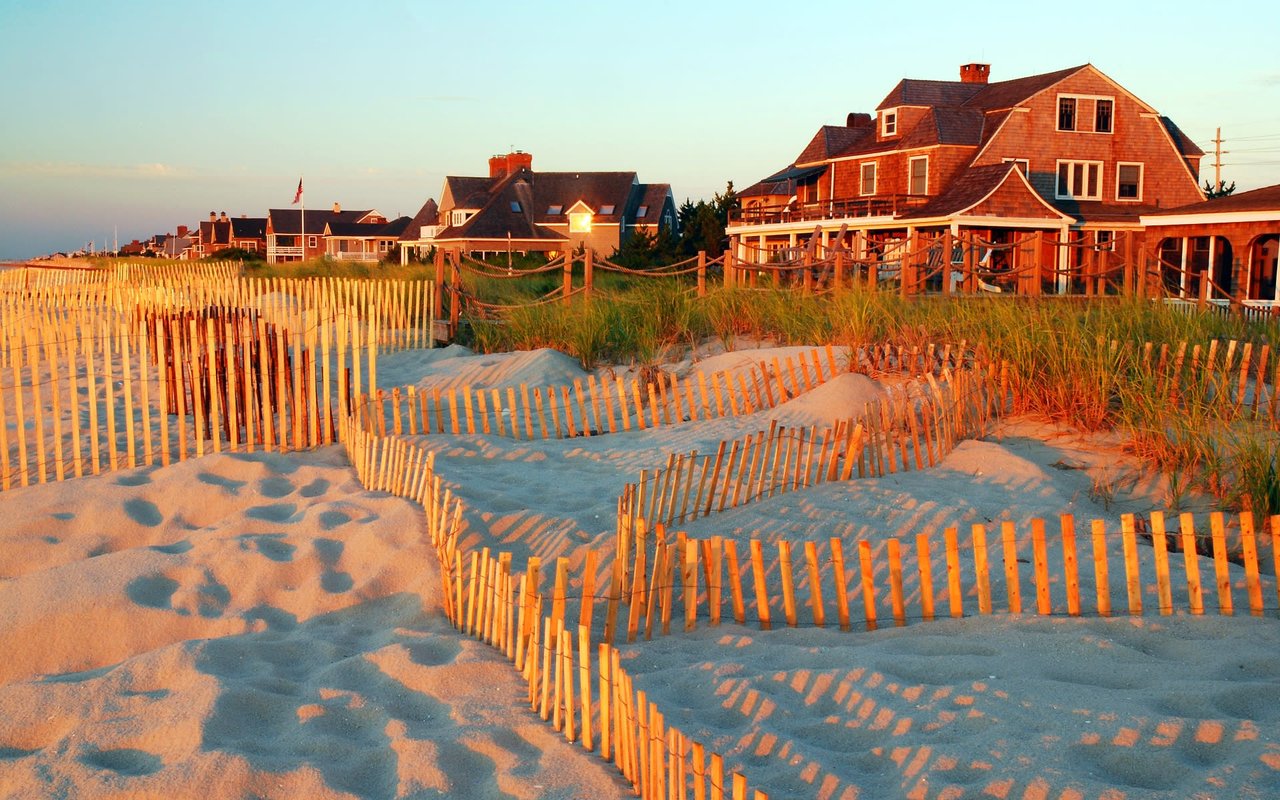
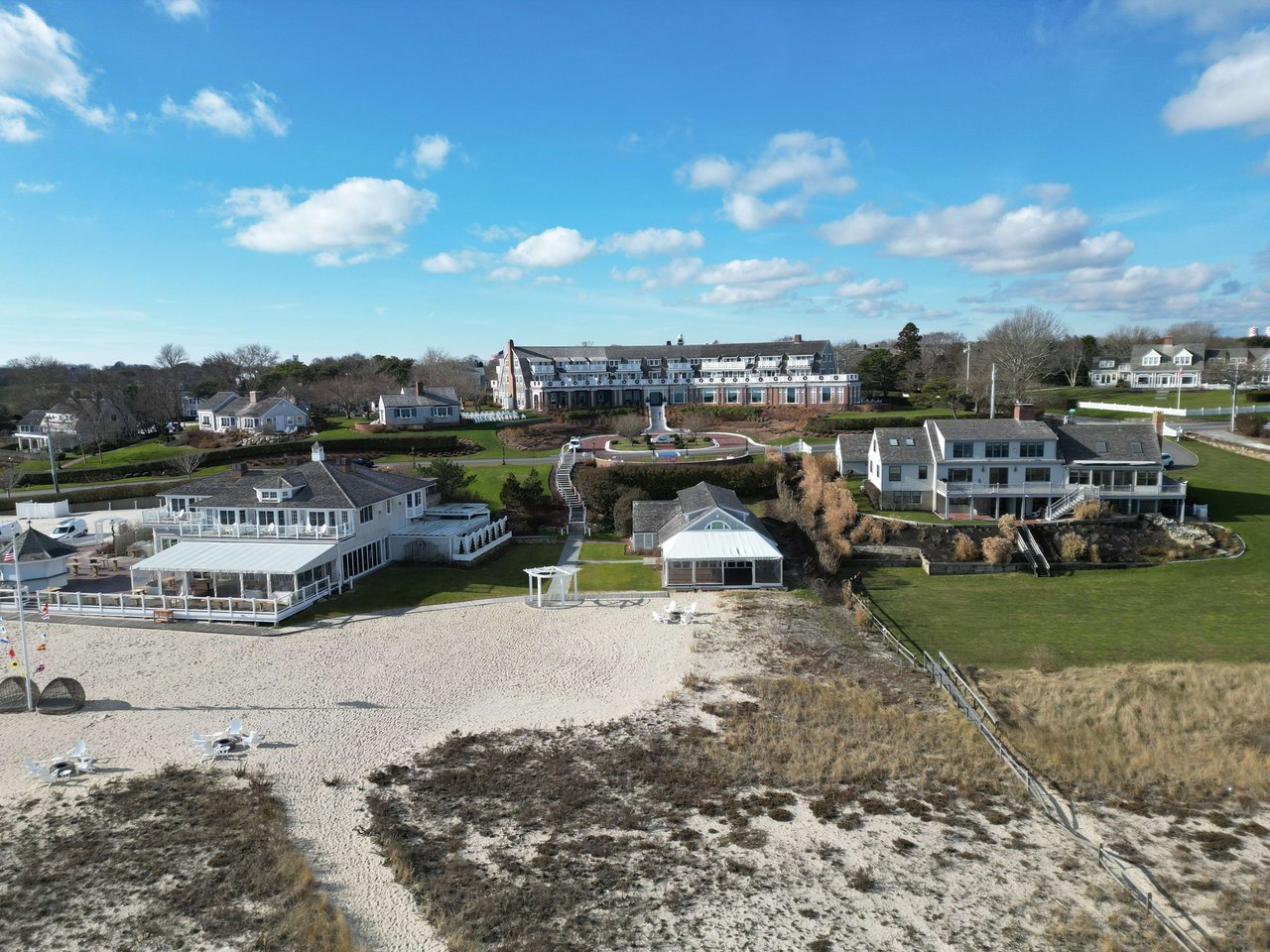
Harwich Port has the most defined village atmosphere of the three areas. The Harwich Port Cultural District describes it as the town’s state-designated cultural district and a visitor-focused area with live music, shops, galleries, artisan shacks at Seaside Marketplace, and beach access.
It also carries a long connection to tourism along Nantucket Sound. That history still shows up today in the compact, active feel of the village center.
Why buyers choose Harwich Port
You may prefer Harwich Port if you want a lifestyle built around proximity and activity. For many buyers, the appeal is being near restaurants, shops, galleries, beaches, and harbor infrastructure in one concentrated area.
Saltwater access is a major part of the draw. The town’s 2026 beach brochure lists Bank Street Beach in Harwich Port and nearby Red River, Pleasant Road, and Earle Road beaches, with beach stickers or day passes required through Labor Day.
Parking counts also give a practical sense of use and access:
- Bank Street Beach: 60 spaces
- Red River Beach: 198 spaces
- Pleasant Road Beach: 92 spaces
- Earle Road Beach: 88 spaces
If boating matters to you, the Harbormaster provides Saquatucket Harbor maps, wait lists, tides, and marine forecasts in one place. That makes the Port especially appealing for buyers who want beach and harbor convenience as part of their routine.
Tradeoffs to consider in Harwich Port
Harwich Port tends to fit buyers who want walkability, summer energy, and easy access to Nantucket Sound. The flip side is that its compact village pattern and concentration of beach and harbor amenities may not be the best match if you are prioritizing maximum privacy or a quieter inland setting.
In simple terms, Harwich Port is often the strongest fit for a social, saltwater-focused lifestyle.
East Harwich at a glance
East Harwich offers a different kind of appeal. Rather than centering on a postcard-style waterfront village, it is more practical, route-oriented, and shaped by long-term planning for mixed-use growth and neighborhood connection.
The Cape Cod Commission’s East Harwich Village Center Handbook describes a vision for a pedestrian-oriented mixed-use center with a traditional main street, adjoining residential neighborhoods, a mix of housing types, and viable commercial corridors along Routes 137 and 39.
What East Harwich feels like
East Harwich feels more like a village in evolution than a finished resort center. Its identity is tied to year-round convenience, road access, and neighborhood structure rather than a concentrated beach-and-harbor scene.
That can be a real advantage if you want a location that supports everyday errands and practical movement around the Lower Cape. It also appeals to buyers who value a more planning-led approach to future growth.
Why buyers choose East Harwich
The area stands out for convenience and broader housing variety. The village-center plan calls for residential growth clustered near the center while preserving larger tracts of open space outside it.
East Harwich also overlaps with the Six Ponds District of Critical Planning Concern. The Cape Cod Commission says this area was designated to protect water and natural resources and to manage growth across more than 1,200 acres of land and 110 acres of water in northeastern Harwich.
That planning framework may matter to you if you care about open-space preservation and how future development is guided. It gives East Harwich a more structured, long-view feel than a purely commercial strip.
Recreation and access in East Harwich
East Harwich also benefits from access to the Cape Cod Rail Trail. The state lists a free parking access point at Headwaters Drive in Harwich and describes the trail as a paved multi-use route for biking, walking, and running through six towns.
If your ideal Cape routine includes morning bike rides, walks, or easy recreational access without needing to be right by the beach, this is a meaningful plus.
Tradeoffs to consider in East Harwich
East Harwich is often the most practical choice of the three. It works well if you want route access, year-round convenience, and a setting shaped by mixed-use planning and residential neighborhoods.
The tradeoff is that it is less defined by waterfront village charm. If your priority is a classic walk-to-dinner saltwater setting, Harwich Port may feel more aligned.
Pleasant Lake and North Harwich at a glance
Pleasant Lake and North Harwich offer a quieter, more landscape-driven side of town. If Harwich Port is about saltwater activity and East Harwich is about convenience, this area is more about ponds, woods, and a lower-intensity setting.
The Harwich Heritage Landscape report describes North Harwich as one of the earlier settled parts of town and notes features such as the Herring River corridor, marshland, bogs, herring runs, and Great Swamp Cranberry Bogs. It also references small homes and farms near the North Harwich cemetery.
What Pleasant Lake and North Harwich feel like
This area has a more inland, nature-forward identity. The setting is shaped less by commercial activity and more by freshwater resources, conservation character, and residential pockets near ponds and wooded areas.
For many buyers, that translates to a stronger sense of privacy and a quieter daily rhythm.
Why buyers choose Pleasant Lake and North Harwich
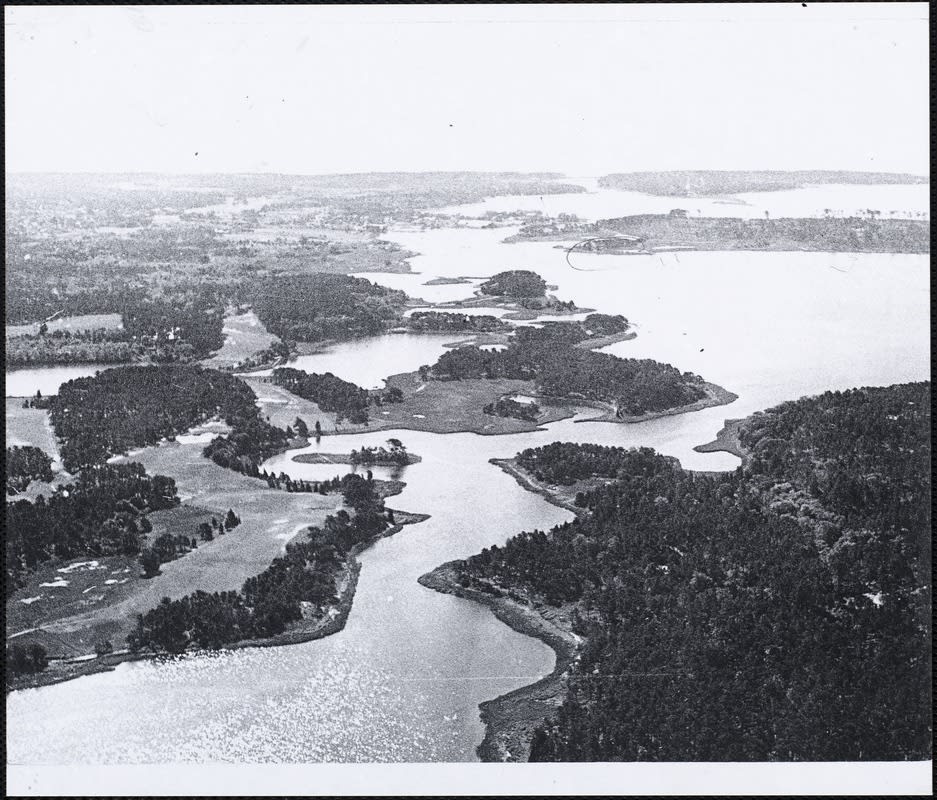
Freshwater access is a major reason buyers focus here. The Harwich Ponds Coalition says Hinckleys Pond, also known historically as Pleasant Lake, is a 171-acre pond at Pleasant Lake Avenue and Headwaters Drive with public access from the Harwich Town Beach west of MA-124.
The pond supports swimming, fishing, and boating, and its shoreline includes residential homes, cranberry bogs, and a beach. That combination gives the area a very different feel from the saltwater village environment of Harwich Port.
Nearby Seymour Pond reinforces that same pattern. It is 183.38 acres at Pleasant Lake Avenue and Punkhorn Road, with access off the Cape Cod Rail Trail, light woods, limited development, a few houses, cranberry bogs, and a town beach.
For broader freshwater recreation, Long Pond is also nearby and is noted as the largest freshwater pond on Cape Cod, with motorized watercraft allowed.
Tradeoffs to consider in Pleasant Lake
Pleasant Lake and North Harwich are often the best fit if you want pond access, wooded surroundings, and a quieter inland feel. Compared with Harwich Port and East Harwich, this area is less commercial and less centered on walkable dining or a concentrated village core.
If your dream Cape lifestyle is more paddleboard-and-coffee than beach-bar-and-boutiques, this area may feel like home.
Which Harwich area fits your lifestyle?
The easiest way to compare these three areas is to think about how you want your week to look, especially in summer and on weekends.
Choose Harwich Port if you want
- Walkability to shops, galleries, and dining
- Easy access to Nantucket Sound beaches
- Harbor proximity and boating infrastructure
- A compact village setting with more seasonal energy
Choose East Harwich if you want
- Practical route access for everyday errands
- A mix of housing types and neighborhood settings
- Bike and trail access via the Cape Cod Rail Trail
- An area shaped by planning, growth management, and open-space preservation
Choose Pleasant Lake or North Harwich if you want
- Freshwater ponds and recreational access
- More privacy and a quieter inland setting
- A landscape shaped by woods, bogs, and open natural features
- Less commercial activity and a lower-intensity pace
A simple shorthand for second-home buyers
If you are buying from Boston, the South Shore, or another feeder market and want a fast way to narrow your search, this shorthand can help:
- Harwich Port = social and saltwater
- East Harwich = practical and convenient
- Pleasant Lake/North Harwich = quiet, freshwater, and nature-forward
That is not about one area being better than another. It is about matching the setting to the lifestyle you want to enjoy most.
How to choose with confidence
Before you commit to one pocket of Harwich, think beyond square footage and bedroom count. Ask yourself where you want to spend your mornings, what kind of water access matters most, how much activity you want around you, and whether your ideal home base feels more village-like, corridor-connected, or tucked into a quieter natural setting.
In a town where seasonal demand, lifestyle preferences, and micro-location all matter, clarity up front can save you time and help you buy better. If you want help comparing homes in Harwich Port, East Harwich, or Pleasant Lake with a local lens on lifestyle and long-term value, the Guthrie Schofield Group can help you narrow the search and move with confidence.
FAQs
Which Harwich area is best for walkability and village activity?
- Harwich Port is the strongest fit if you want a compact village center with shops, galleries, dining, beach access, and summer activity.
Which Harwich area is best for year-round convenience?
- East Harwich is generally the most practical option for route access, errands, mixed-use planning, and Cape Cod Rail Trail access.
Which Harwich area is best for pond access and privacy?
- Pleasant Lake and North Harwich are the best match if you want freshwater recreation, wooded surroundings, and a quieter inland setting.
Is Harwich Port the same as East Harwich?
- No. Harwich Port is the town’s clearest village center with stronger beach, harbor, and cultural activity, while East Harwich is more route-oriented and shaped by mixed-use planning and neighborhood growth.
What is the median home price in Harwich, MA?
- The Cape Cod Commission’s April 2026 housing profile says Harwich had a 2024 median home sales price of $814,500.
Are many Harwich homes seasonal properties?
- Yes. The Cape Cod Commission’s April 2026 housing profile says about 34% of homes in Harwich are seasonal.